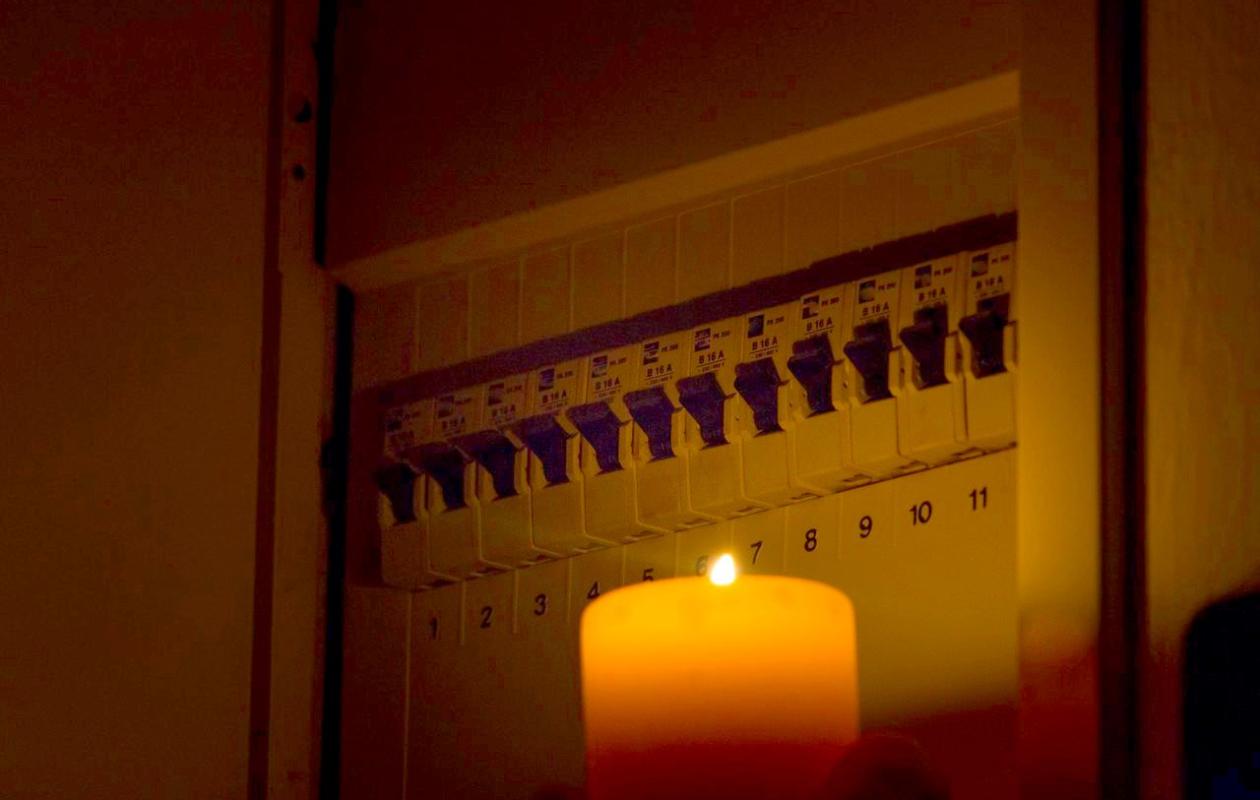
Coupures d’électricité : quand les délestages s’installent dans le quotidien des Sénégalais
In Dakar, as in many other parts of the country, power cuts are once again disrupting daily life. Between interrupted work, broken appliances, and additional expenses incurred due to load shedding, users are expressing their frustration and demanding greater transparency.
Sometimes, just a few minutes are all it takes for daily life to be disrupted. A fan stops, the internet router shuts down, phones start displaying low battery warnings, and activities come to a standstill. For several weeks now, citizens have been reporting an increase in power outages in several neighborhoods of Dakar and in other parts of the country.
For many users, the hardest part isn't just the power outage itself. It's not knowing when it will go out or when it will come back on. In several neighborhoods, residents say they are having trouble planning their days.
Abib, who lives in the Carrière neighborhood of Thiès, explains that the power outages are now disrupting his family's routine. "We can have electricity and then, a few minutes later, everything stops. The problem is, we don't know how long it will last. We always end up having a lamp ready, charging our phones, and putting our devices away."
Another resident of the neighborhood particularly laments the unpredictability of the power outages. "If we knew in advance that there would be an outage between such and such a time, we could plan accordingly. But sometimes, the power disappears when we need it most."
The workers pay the price of the cuts directly.
For people who work from home, the consequences can be immediate. Computers, internet connections, printers, professional equipment: many activities today depend directly on electricity.
“I work with my computer and I need an internet connection. When the power goes out, I can sometimes continue for a few minutes thanks to the battery, but when the outage lasts longer, I have to stop. This can make me lose several hours of work,” says Aly, a student who takes his courses online.
For the self-employed, every hour of downtime can also represent lost income. A hairdresser, tailor, welder, or carpenter cannot always continue working without electricity. For these workers, repeated interruptions can therefore directly impact their earnings.
The hardship faced by some households
Faced with power outages, some households are looking for alternative solutions. But these come at a cost. Batteries, inverters, rechargeable lamps, or generators have become backup equipment for some homes.
“We had to buy power banks to be able to recharge our phones and have some light when the power goes out. These are additional expenses. Not everyone can afford to equip themselves,” Bocar complains.
Traders fear losses
In retail, power outages can have even more serious consequences. Shops that use freezers or refrigerators, in particular, must contend with the risk of product spoilage when interruptions are prolonged.
“When the power goes out for several hours, we have to monitor the products. For some foods, a long interruption can be a problem. We have already had goods that have been affected,” says shopkeeper Malick.
For small businesses, the difficulty is also linked to the impossibility of working normally. "When the power goes out, some machines stop working. Customers wait or leave. At the end of the day, this is reflected in the revenue," laments Alima, a juice vendor.
"Even sleeping is becoming difficult."
In households lacking alternative solutions, nighttime interruptions are particularly difficult, especially during periods of intense heat. Without a fan or air conditioning, sleeping conditions can quickly become uncomfortable.
"When the power goes out during the night, the whole house wakes up. With the heat, the children have trouble sleeping. We just wait for the power to come back on," says old Lamine.
Beyond their anger or frustration, many users primarily want to understand. Why are the power cuts becoming more frequent? Are they related to maintenance work, technical incidents, a production shortfall, or problems on the grid? How long are they expected to last?
For the citizens surveyed, better information would already help to reduce some of the difficulties.
"We can understand that there are technical problems. But we need an explanation of what is happening and an idea of how long the outages will last. It is this uncertainty that is particularly difficult to bear," the old man said.
From occasional breakdowns to daily frustration
In the testimonies gathered, a single sentiment emerges: the fear of seeing power cuts become a permanent fixture in people's lives. For the affected populations, electricity is essential to almost everything today: preserving food, working, studying, communicating, going to certain shops, and even resting.
Each power outage has its cost, whether economic, material, or simply human. And when these interruptions become frequent, citizens no longer simply demand the restoration of power. Above all, they demand a stable service, clear information, and answers about the measures taken to prevent load shedding from becoming the new normal.






















Commentaires (14)
Vous n'avez encore rien vu
En tout cas, pendant les 2 ans qu'ils ont eu TOUT le pouvoir, ou presque, ils n'ont rien foutu, à part nous tympanniser. Grandes gueules doongou.
Participer à la Discussion
Règles de la communauté
💡 Astuce : Utilisez des emojis depuis votre téléphone ou le module emoji ci-dessous. Cliquez sur GIF pour ajouter un GIF animé. Collez un lien X/Twitter, TikTok ou Instagram pour l'afficher automatiquement.
Se connecter
Commentez avec votre profil, votre photo, et soyez averti des réponses.