
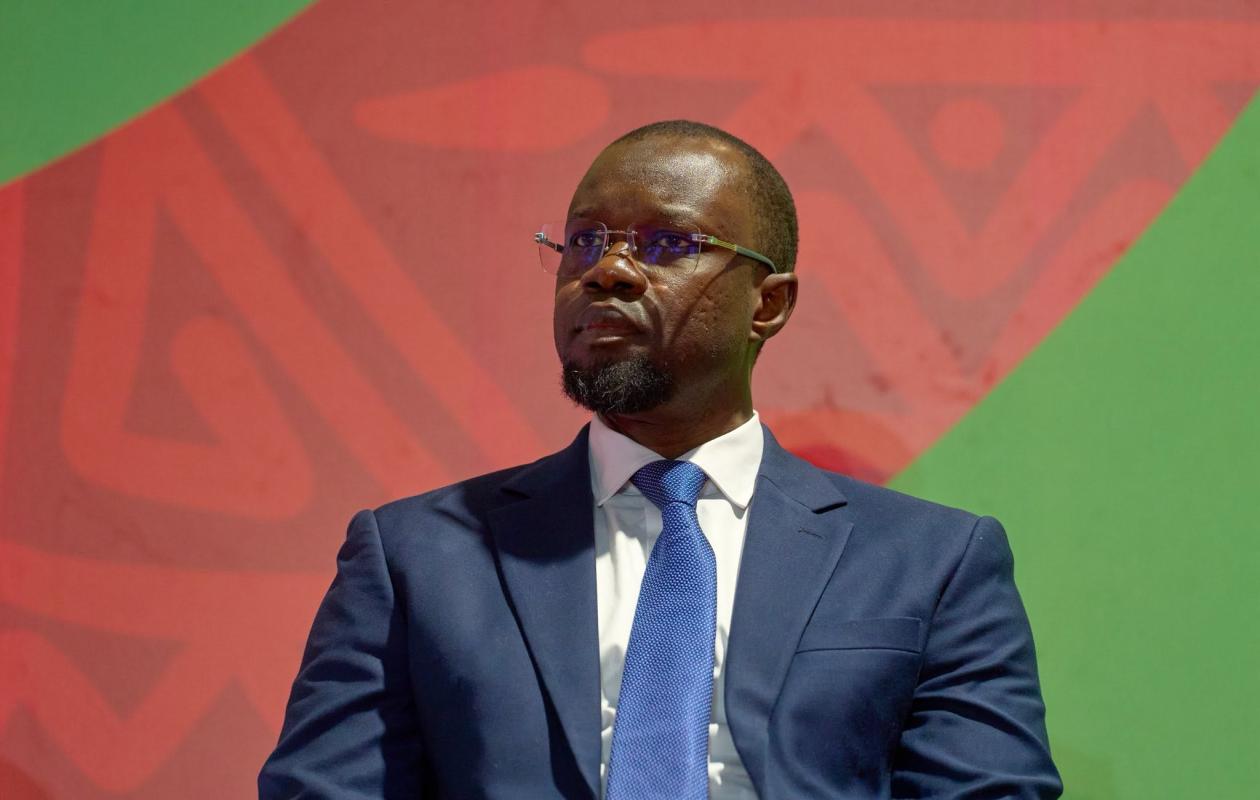
"Écoute, efficacité, inclusion" : Mamadou Lamine Dianté engage la grande transformation des guichets de l'Administration
Putting the user at the heart of governance and restoring trust in institutions: this is the goal set by the Ministry of Public Service. At the technical validation workshop for the National Reception and Orientation Strategy (SNAO), Minister Mamadou Lamine Dianté unveiled the five pillars intended to transform the relationship between the administration and citizens. Integrated into the Senegal 2050 Vision and the ANTS 2025-2029 plan, this reform is based on the professionalization of civil servants, increased accessibility for vulnerable people, streamlining unnecessary procedures, and actively listening to citizens' requests.
The National Strategy for Reception and Guidance of Public Service Users (SNAO) underwent technical validation involving representatives from the administration, the private sector, and civil society. Aligned with the transformation dynamic of the Senegal 2050 Vision, this initiative aims to improve the quality of public services, simplify administrative procedures, and place citizens at the heart of public action.
Senegal is taking another step in modernizing its administration. Through the National Strategy for Reception and Guidance of Public Service Users, the authorities aim to establish common practices to improve citizen service across all administrative structures. The technical validation workshop for this strategy is a pivotal step in this process. It will allow the various stakeholders to review the proposed guidelines, examine their feasibility, and formulate operational recommendations. Presiding over the opening session, the Minister of Public Service, Mamadou Lamine Dianté, emphasized that the quality of public service depends not only on legal texts, administrative organization, or digital tools, but also on the quality of human interaction. "The quality of the reception, through attentive listening, information, availability, and support, largely determines users' trust in the public service," he stated. For the minister, the new strategy should make it possible to move from sometimes scattered initiatives to a common, structured and sustainable framework, applicable to all administrations responsible for a public service mission.
Five directions for transforming the relationship with users
The strategy is based on five main pillars designed to tangibly improve the citizen experience. The first concerns harmonizing reception and guidance practices so that every user receives a satisfactory level of service, regardless of the service they contact. The second pillar focuses on professionalizing staff. Listening, providing information, and guiding require specific skills, a thorough understanding of procedures, and strong interpersonal abilities. The strategy therefore plans to clarify responsibilities and strengthen the skills of front-office staff. The third pillar focuses on accessibility and inclusion. The authorities intend to guarantee more equitable access to public services, particularly for the elderly and people living with disabilities, while maintaining efficient in-person services for citizens who are not digitally savvy. Simplifying procedures and integrating in-person services with digital solutions constitute the fourth pillar. Mamadou Lamine Dianté emphasized the absolute necessity of eliminating unnecessary formalities before any digitization. Finally, the strategy aims to strengthen citizen feedback through the systematic processing of complaints and the regular evaluation of services, in order to make the improvement of public service a continuous process.
Implementation to be prepared in conjunction with government agencies
Beyond the validation of the document, the challenge lies in its effective implementation by administrative services. Mamadou Lamine Dianté called on participants to pay particular attention to the clarity of institutional responsibilities, the feasibility of the measures, the coordination of interventions, and the monitoring of results. The strategy is part of the National Agenda for the Transformation of Public Services (ANTS 2025-2029), itself aligned with the Senegal 2050 Vision for good governance and state reform. It will also be integrated with the National Charter on the Quality of Public Services, the Public Service Barometer, and employee recognition programs. Through this approach, the government intends to make reception and guidance essential drivers of administrative efficiency and public trust. The success of this reform will depend on the ability of public services to sustainably integrate these new requirements into their daily operations.




















Commentaires (1)
Participer à la Discussion
Règles de la communauté
💡 Astuce : Utilisez des emojis depuis votre téléphone ou le module emoji ci-dessous. Cliquez sur GIF pour ajouter un GIF animé. Collez un lien X/Twitter, TikTok ou Instagram pour l'afficher automatiquement.
Se connecter
Commentez avec votre profil, votre photo, et soyez averti des réponses.