Incendies dans les marchés : plus de 100 sinistres recensés, l’assurance comme bouclier pour les commerçants
Faced with a surge in fires in Senegalese markets, the government is seeking a paradigm shift. Insurance sector stakeholders, public authorities, and representatives of traders are therefore working together to establish an inclusive, accessible insurance mechanism tailored to market realities. This initiative is being led by the Observatory for the Quality of Financial Services (OQSF), in partnership with the Directorate of Insurance.
More than one hundred fires were recorded in Senegal's markets between 2013 and 2025, including nearly 70 in the period 2015-2020 alone. Behind these alarming figures lie billions of CFA francs gone up in smoke, businesses destroyed and thousands of families plunged into precariousness.
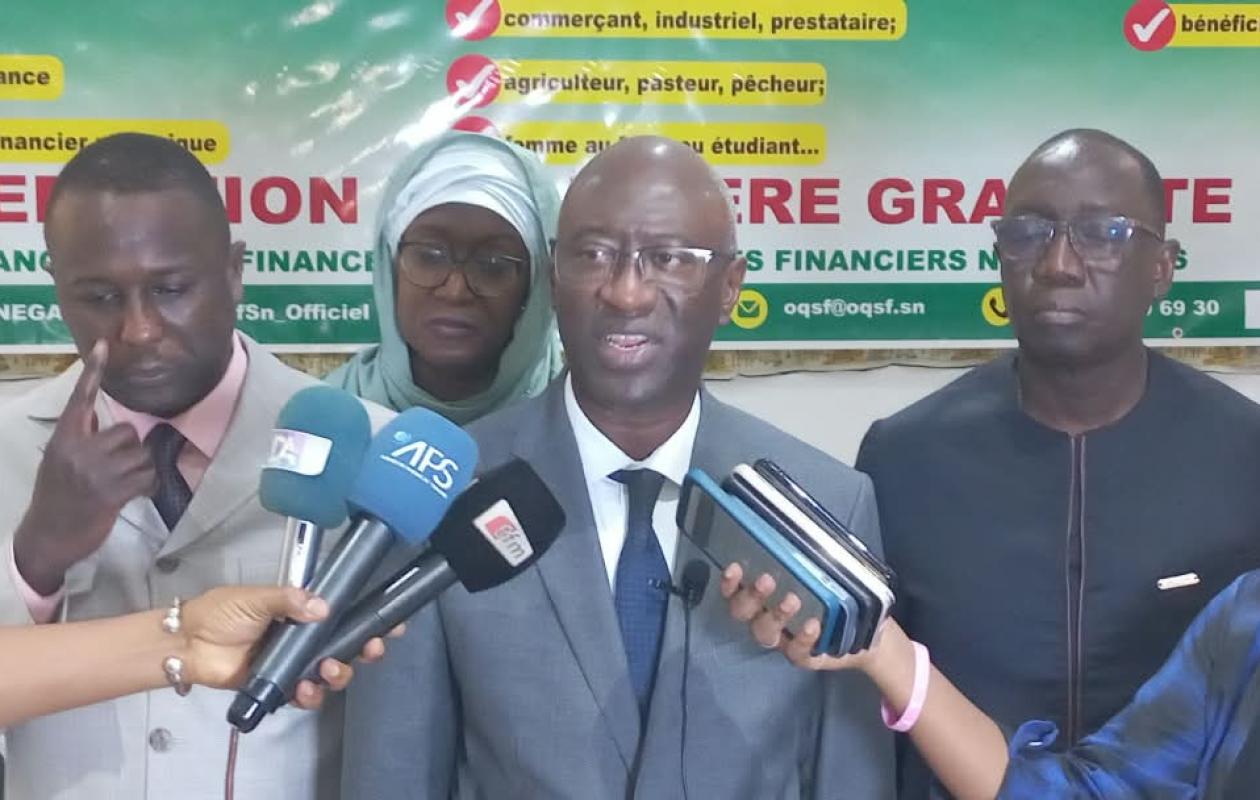
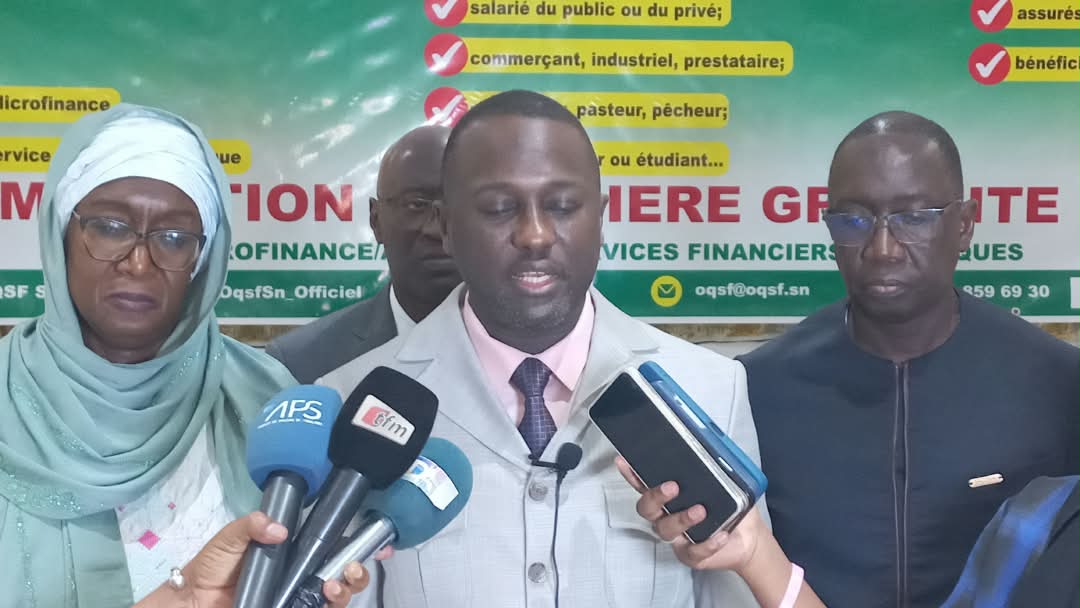
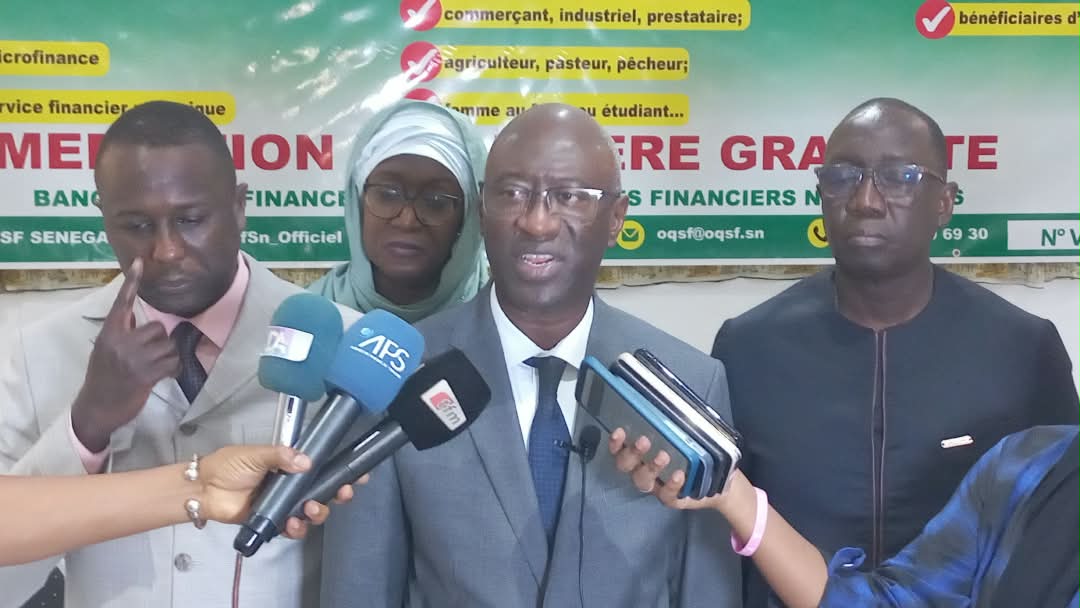
During the opening of the workshop for the presentation and validation of the results of the National Survey on the Insurability of Markets in Senegal (ESAMS 2026), the executive secretary of the OQSF, Papa Amadou Diagne, raised the alarm.
For him, the repeated fires can no longer be considered mere isolated incidents. They reflect a structural vulnerability fueled in particular by the age of the electrical installations, the chaotic layout of commercial spaces, the lack of safety equipment and the coexistence of incompatible activities.
"We can no longer tolerate fatalism or inaction destroying the fruits of our merchants' labor. The time for simple observations is over; now is the time for bold and united action," he declared.
Until now, after each major fire, victims have relied primarily on national solidarity, local authorities, or ad hoc interventions by the state. A model that is now showing its limitations.
According to Mamadou Dème, director of insurance, the objective is now to transfer part of this burden to insurance companies, through a structured and inclusive mechanism.
"This is a burden that can be transferred to insurers. Now, we need to determine the conditions and possibilities," he explained.
He believes that the experience with agricultural insurance provides an encouraging precedent.
"When we succeed in insuring 850,000 farmers and livestock breeders, we should be able to insure traders," he argued.
Contrary to popular belief, the cost of insurance is not the only obstacle to retailers signing up. The survey results also reveal a lack of awareness of existing insurance products.
Mamadou Dème thus emphasizes the need to broaden risk pooling. The more businesses that subscribe, the lower the costs can be. Sharing the costs between businesses, local authorities, and potentially the state could also be considered.
The Senegalese Federation of Insurance Companies (FSSA) has expressed its willingness to support this reform. Its executive director, Dr. Mactar Faye, believes that solidarity, while essential, is no longer sufficient to address the economic and social consequences of fires.
He argues for a structured approach to risk management, based on collaboration between the State, local authorities, traders and insurance companies.
However, the insurability of markets remains contingent upon their security. Insurers must be able to assess risks and offer appropriate coverage without exposing traders to unsustainable premiums.
The ESAMS 2026 survey aims precisely to provide answers to this problem. It seeks to map claims, identify barriers to underwriting, measure merchants' willingness to pay, and propose viable coverage mechanisms.
For three days, participants will notably have to think about the design of simplified, digitalized and financially accessible insurance products, with accelerated compensation procedures.
The possibility of pooled, or even mandatory, insurance is also among the options being considered.
At the end of the work, the OQSF hopes for the adoption of a roadmap with a precise timetable and a clear distribution of responsibilities between the different actors.
Thus, the actors want to ensure that a fire will never again systematically mean ruin for a merchant, the disappearance of several years of savings, or the plunge of an entire family into poverty.















Commentaires (0)
Participer à la Discussion
Règles de la communauté
💡 Astuce : Utilisez des emojis depuis votre téléphone ou le module emoji ci-dessous. Cliquez sur GIF pour ajouter un GIF animé. Collez un lien X/Twitter, TikTok ou Instagram pour l'afficher automatiquement.
Se connecter
Commentez avec votre profil, votre photo, et soyez averti des réponses.