L’Administration territoriale et l’ADM œuvrent pour un mode alternatif de règlement des litiges
Strengthening the capacities of local stakeholders, harmonizing practices, and consolidating the Complaints Management Mechanism (CMM) across all pilot municipalities of the Support Program for Municipalities and Urban Areas of Senegal (PACASEN) is the objective of the workshop organized for sub-prefects, the linchpin of the complaints management system at the local level.
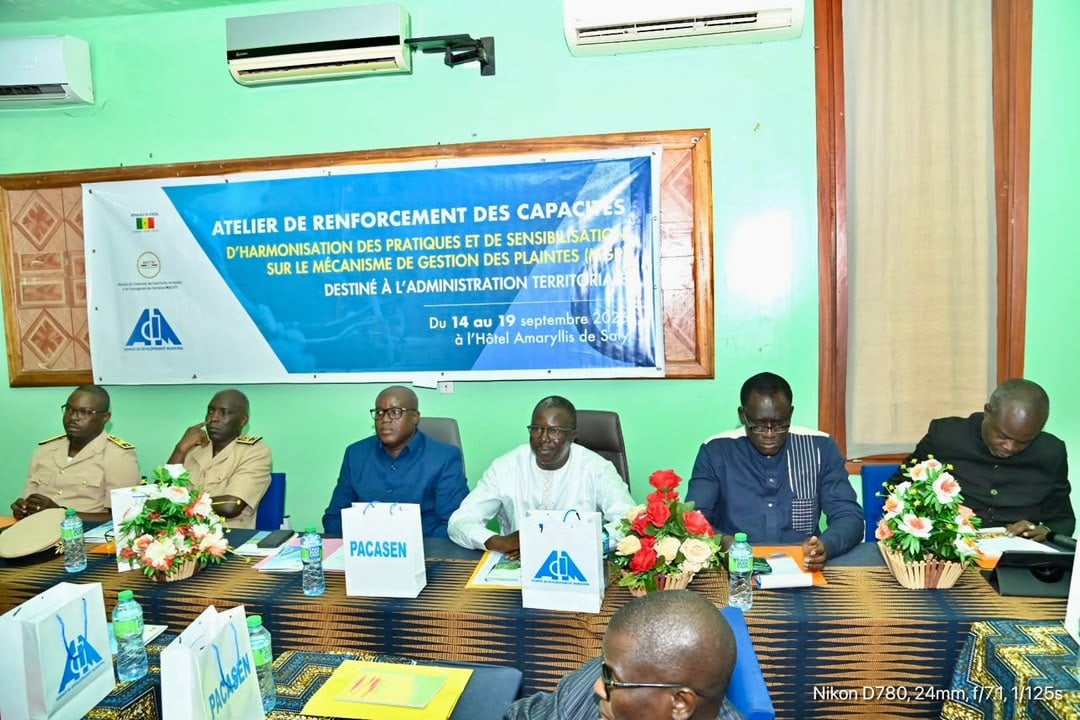
The meeting is part of a desire to bring the administration closer to citizens and to guarantee a more efficient, transparent and equitable handling of their concerns.
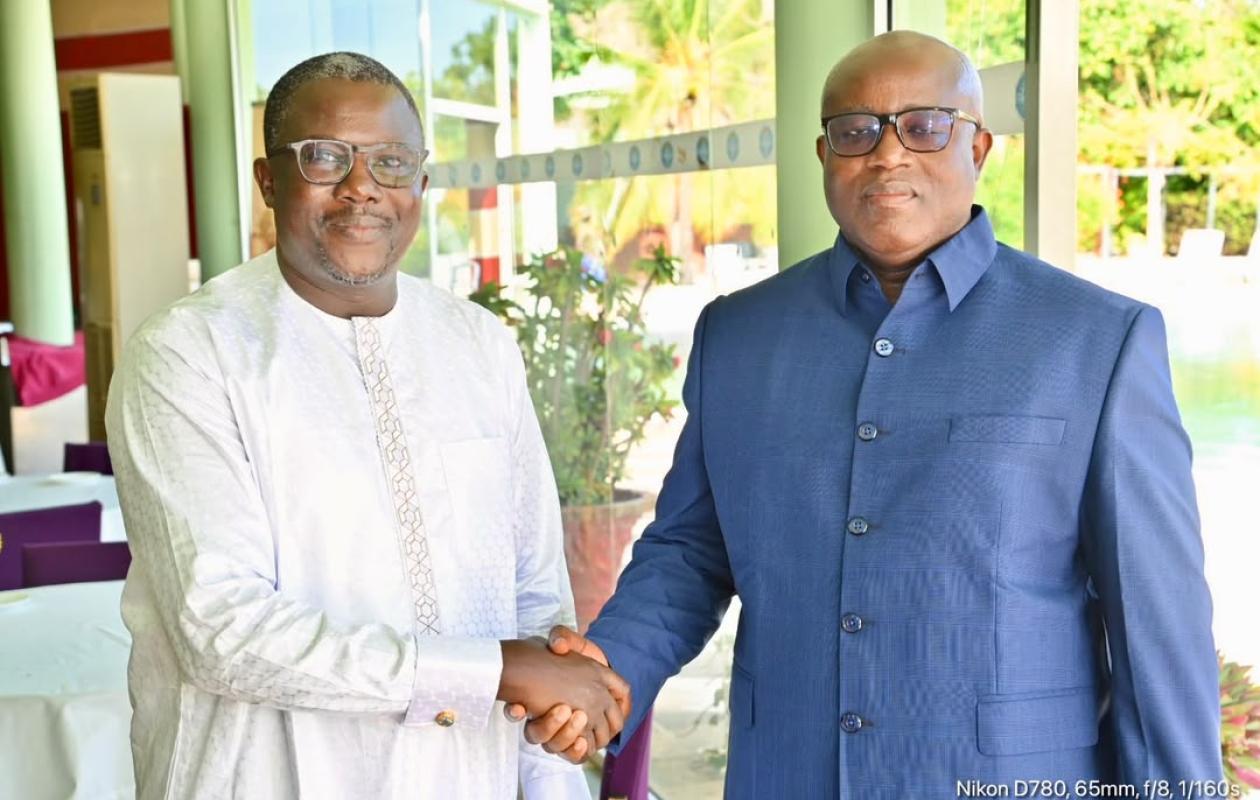
The Director General of Territorial Administration, William Manel, stressed "the need to harmonize complaint management practices in order to allow populations, regardless of their territory, to benefit from a clear and consistent system."
"Many steps are being taken at the level of municipalities and territories. Very often, the populations are unable to follow or understand what is happening," he noted, emphasizing the 'diversity of concerns depending on the territories'.
The objective, according to him, is to achieve a shared framework throughout Senegal, allowing citizens to have their say, to see their concerns taken into account and to obtain answers and, when necessary, solutions.
This harmonization should notably result in the development of a joint roadmap between the Municipal Development Agency (ADM) and the Territorial Administration. This roadmap should ensure consistent application of the mechanism, regardless of the nature of the project, its level of investment, or the stakeholders involved.
The sub-prefect, a key player in the system
Administrative authorities (sub-prefects) occupy a central place in this community system. As representatives of the State at the local level and in constant contact with local authorities and the population, they constitute, according to the Director General of Territorial Administration, key players in gathering grievances and supporting their processing.
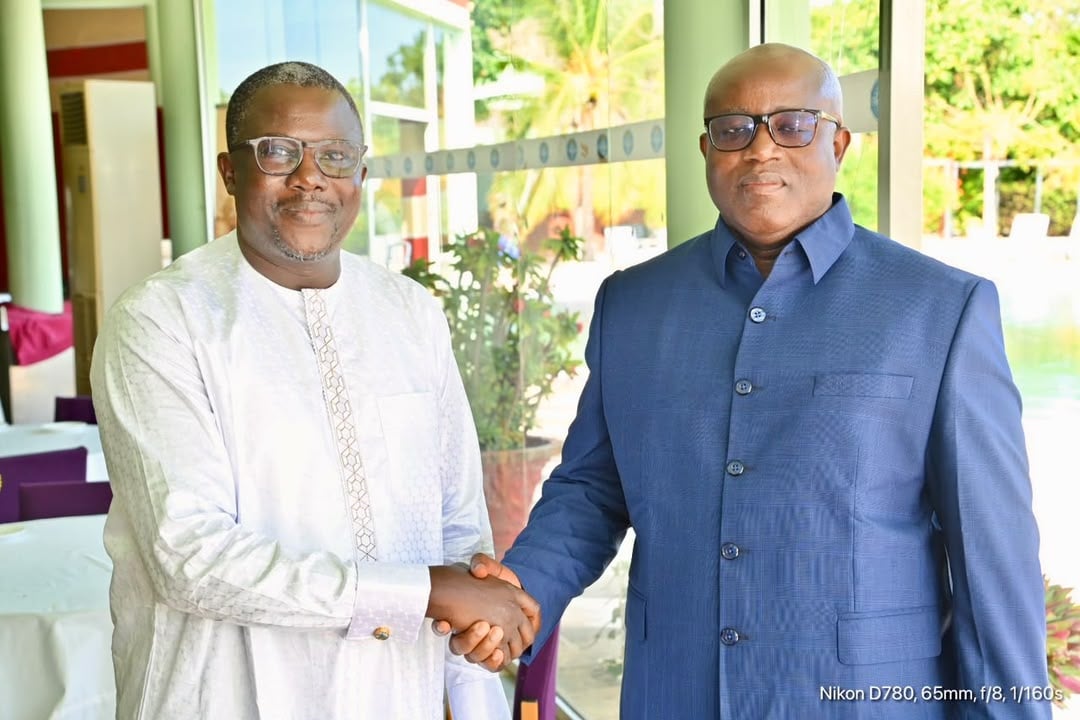
"On a daily basis, the administrative authority is the receptacle of the concerns of the population," he recalled, stressing that sub-prefects are regularly confronted with the expectations, complaints and difficulties expressed by their constituents.
The challenge now is to evolve this function towards a more structured and harmonized approach, so that "every citizen feels heard and protected".
This approach is of particular importance in the implementation of public projects and programs, especially when they raise issues related to land, decongestion, evictions or the location of infrastructure.
For William Manel, public support is indeed an essential condition for the success of a project. Hence the need for a mechanism to listen to citizens, guide them, address their concerns, and explain the implications of the projects that affect them.
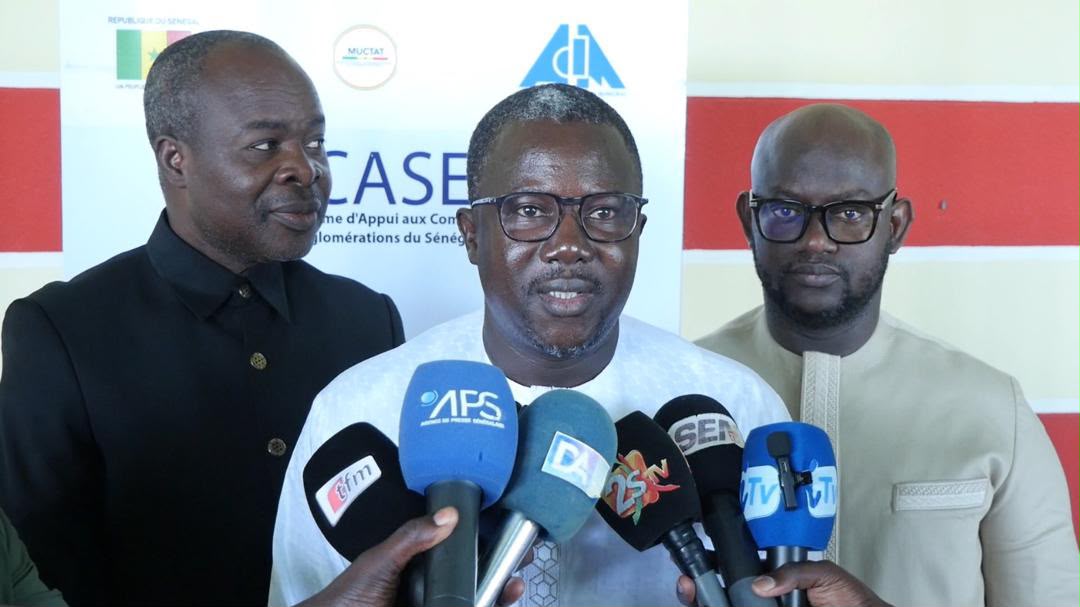
The Director General of the Municipal Development Agency (ADM) echoed this sentiment, reiterating that the PACASEN program is based on an ambition to strengthen local governance, transparency, and citizen participation. In this context, the Complaints Management Mechanism constitutes a "key lever" for accountability and dialogue between local authorities and the public.
While it constitutes in particular a performance indicator for the nineteen main municipalities subject to the Performance Indicators (PID), the MGP is also implemented in all the pilot municipalities of the PACASEN.
According to the Director General of ADM, Dr. Mamouth Diop, this generalization reflects the desire to make accountability "a shared principle and a sustainable practice" within the beneficiary communities.
Thus, the MGP is not limited to a simple administrative mechanism. It offers a framework enabling citizens, communities and other stakeholders to express their concerns and obtain answers within reasonable timeframes and according to clearly defined procedures.
Complaints may relate to environmental, social, safety issues, working conditions, or the implementation of project activities.
The work comes at a time when progress has already been made in setting up complaints management committees at the municipal and departmental levels.
Actors have been trained, tools developed, and several complaints processed. However, field experience has also revealed disparities in understanding the mechanism, its application, and the quality of complaint handling across different regions.
One of the main challenges of the workshop is therefore to reduce these gaps and to enable the different actors to share "the same reading, the same language and the same rigor" in the management of complaints.
With municipal commissions already in place in the pilot municipalities, the next step is to strengthen the system by setting up local commissions, responsible in particular for examining complaints that have not been resolved at the municipal level.
The sub-prefects will be called upon to chair these commissions and will have to ensure that the complaints submitted to them are handled impartially, diligently and in a concerted manner.
For two days, participants must review the fundamentals of the Complaints Management Mechanism, including its operational framework, the typology of complaints, the seven-step processing procedure, as well as the missions, responsibilities and composition of the different commissions.
Special attention is also paid to sensitive complaints, which require specific handling procedures.
The workshop should also allow for an assessment of the implementation of the MGP, the identification of achievements and good practices, but also the highlighting of difficulties encountered and challenges remaining to be met.
"Beyond PACASEN, the challenge is to make the mechanism sustainable and turn it into a lasting tool for territorial governance, aligned with Axis 4 (Good governance and African engagement) of the National Transformation Agenda supported by the Senegal 2050 Vision."
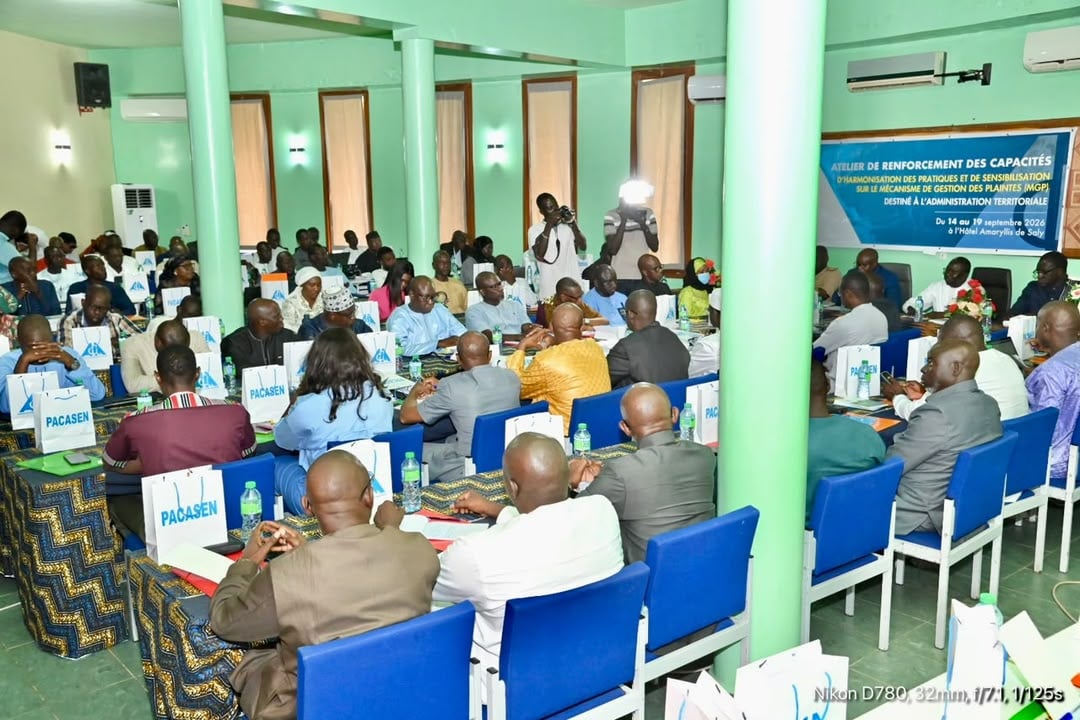
The implementation of an effective complaints management system should contribute to building an administration that is closer to citizens, more accessible and more responsive, while strengthening trust between public institutions and the population.
On this occasion, the Director General of ADM commended the commitment of the Territorial Administration in the implementation of the Programme's activities and expressed his gratitude to the technical and financial partners, in particular the World Bank and the French Development Agency, for their support.
He finally invited the participants to make these two days a true space for sharing experiences, comparing local realities and identifying concrete solutions.
"It is from the richness of these exchanges, as well as from the constructive confrontation of local realities, that the harmonization of approaches and the strengthening of our collective action in the service of development will result," Mr. Diop emphasized.




















Commentaires (1)
Participer à la Discussion
Règles de la communauté
💡 Astuce : Utilisez des emojis depuis votre téléphone ou le module emoji ci-dessous. Cliquez sur GIF pour ajouter un GIF animé. Collez un lien X/Twitter, TikTok ou Instagram pour l'afficher automatiquement.
Se connecter
Commentez avec votre profil, votre photo, et soyez averti des réponses.