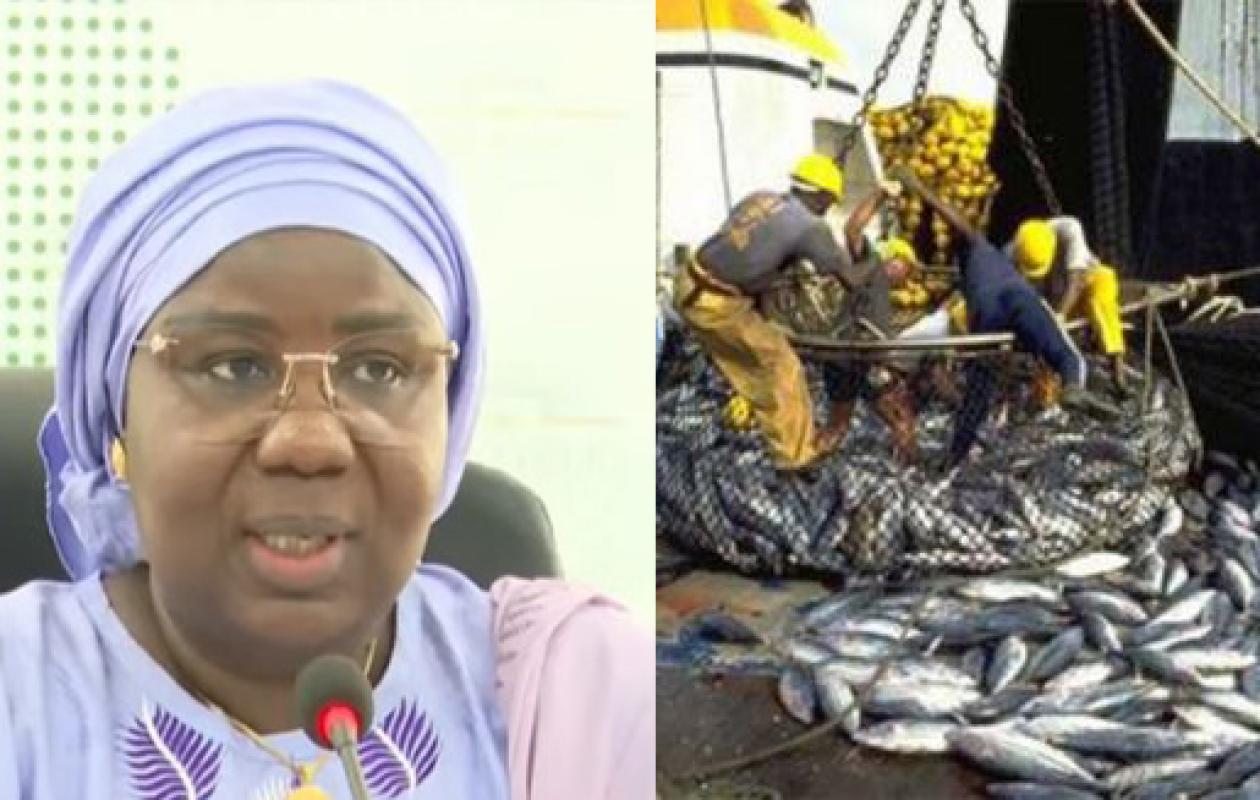
Lutte contre la pêche illégale (INN) : L'ancienne ministre Fatou Diouf pointe les failles logistiques
During her hearing before parliament, former Fisheries Minister Fatou Diouf raised the alarm about the state of maritime surveillance in Senegal. While calling for an overhaul of the national vessel registry—whose authorized fleet was reduced from 132 to 111 vessels between 2024 and June 2026—the academic denounced the critical shortage of fuel, vehicles, and patrol boats that paralyzes DPSP agents in their fight against illegal fishing. This logistical deprivation undermines maritime sovereignty and threatens the future of artisanal fishing.
During her hearing at the National Assembly on the overall management of the fisheries sector, the former Minister of Fisheries, Maritime and Port Infrastructure, Professor Fatou Diouf, addressed the need to clean up the register of authorized vessels, the strict criteria for issuing licenses, and the significant logistical constraints hindering the work of maritime control services. She highlighted the substantial reduction in the authorized industrial fleet, while also lamenting the budgetary and material shortfalls that complicate the fight against illegal, unreported, and unregulated (IUU) fishing.
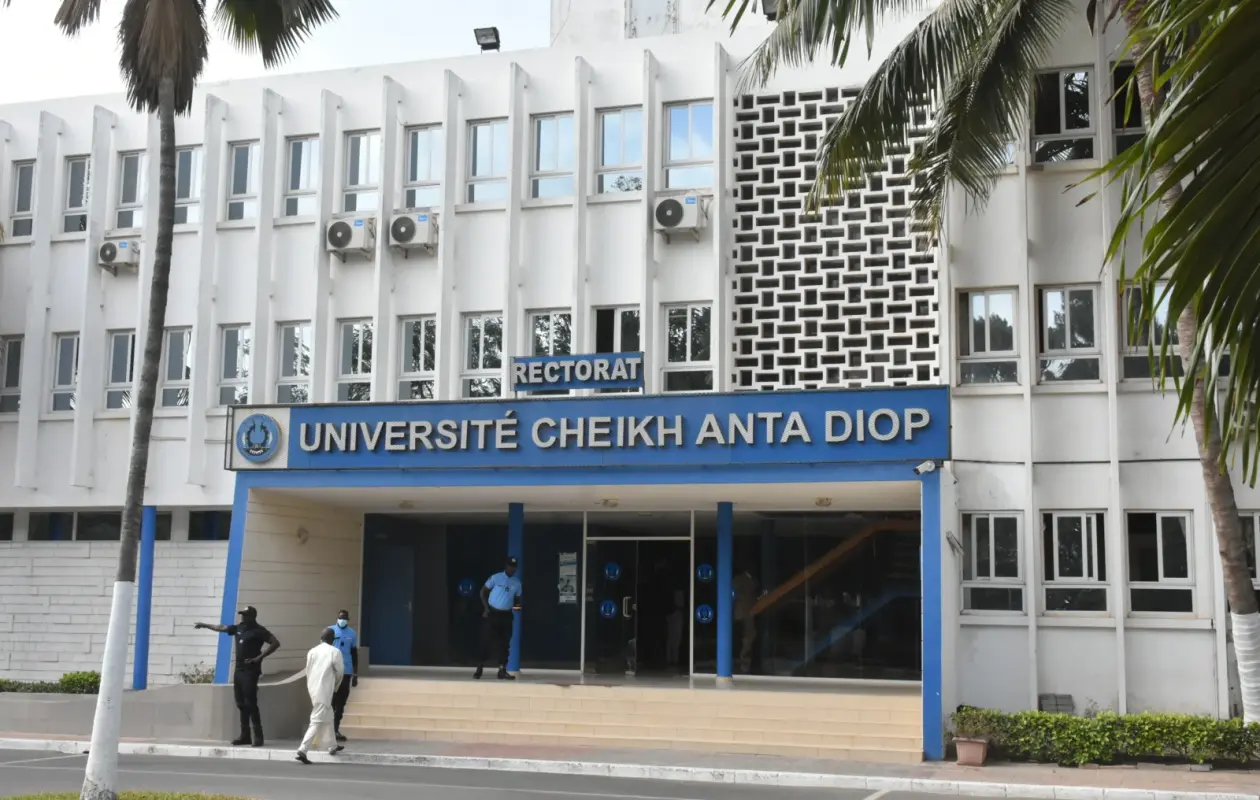
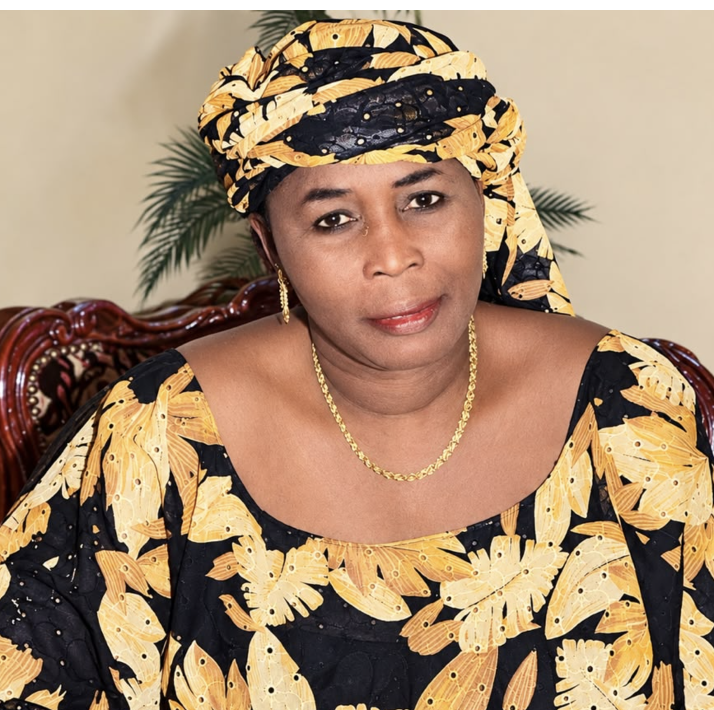
License management, the monitoring of waters under national jurisdiction, and the preservation of fisheries resources were at the heart of the former minister's testimony before the parliamentary inquiry committee. Facing the members of parliament, this lecturer and researcher at Cheikh Anta Diop University of Dakar (UCAD) detailed the reforms initiated upon her taking office in 2024, the financial results of the database cleanup, and the institutional safeguards she attempted to implement. Fatou Diouf drew upon her experience within the fisheries administration, particularly at the Directorate of the Merchant Marine and the Directorate of Fisheries Protection and Surveillance (DPSP), to demonstrate her technical expertise in leading these reforms.
Fishing licenses: A drastically reduced vessel registry
Upon taking office at the ministry in 2024, Fatou Diouf stated that auditing the licensing database was an absolute priority. The strategic objective was to establish a comprehensive inventory of the authorizations granted, the number of vessels actually operating, and their legal compliance, thus meeting a requirement for transparency. "We wanted to know exactly how many vessels were authorized, how many licenses had been issued," she emphasized before the commission, reiterating that fisheries resources belong to the Senegalese people and must be exploited legally and equitably.
This administrative cleanup operation allowed for the gradual purging of the industrial fishing register. According to figures presented by the former minister, the number of authorized vessels decreased from 132 to 122, before falling to 111 in June 2026. This count includes all fleets, including foreign and European vessels operating under fishing agreements.
This decrease stems from a thorough audit of the legal and technical compliance of trawlers. Inactive vessels or those in violation of regulations were simply removed from the lists, as were vessels that had remained inactive for more than 30 months without renewing their fishing licenses. Beyond mere accounting adjustments, the aim was to restrict access to the resource and enforce strict adherence to the Maritime Fisheries Code.
Maritime surveillance: Regional services paralyzed by lack of resources
While the administrative purge is a success, the physical monitoring of waterways remains a colossal challenge. The former minister strongly urged parliamentarians to address the tragic lack of resources available to regional monitoring services.
From Dakar to Ziguinchor, via Saint-Louis, Thiès, and Mbour, maritime surveillance officers operate under extremely precarious conditions. A critical lack of patrol vehicles, recurring fuel shortages, and outdated nautical equipment hamper the teams' operations both along the coast and on the high seas. According to Fatou Diouf, this logistical deficit undermines the state's deterrent capacity: without operational patrol boats or sufficient fuel supplies, maritime inspections become sporadic, leaving vast maritime areas unmonitored.
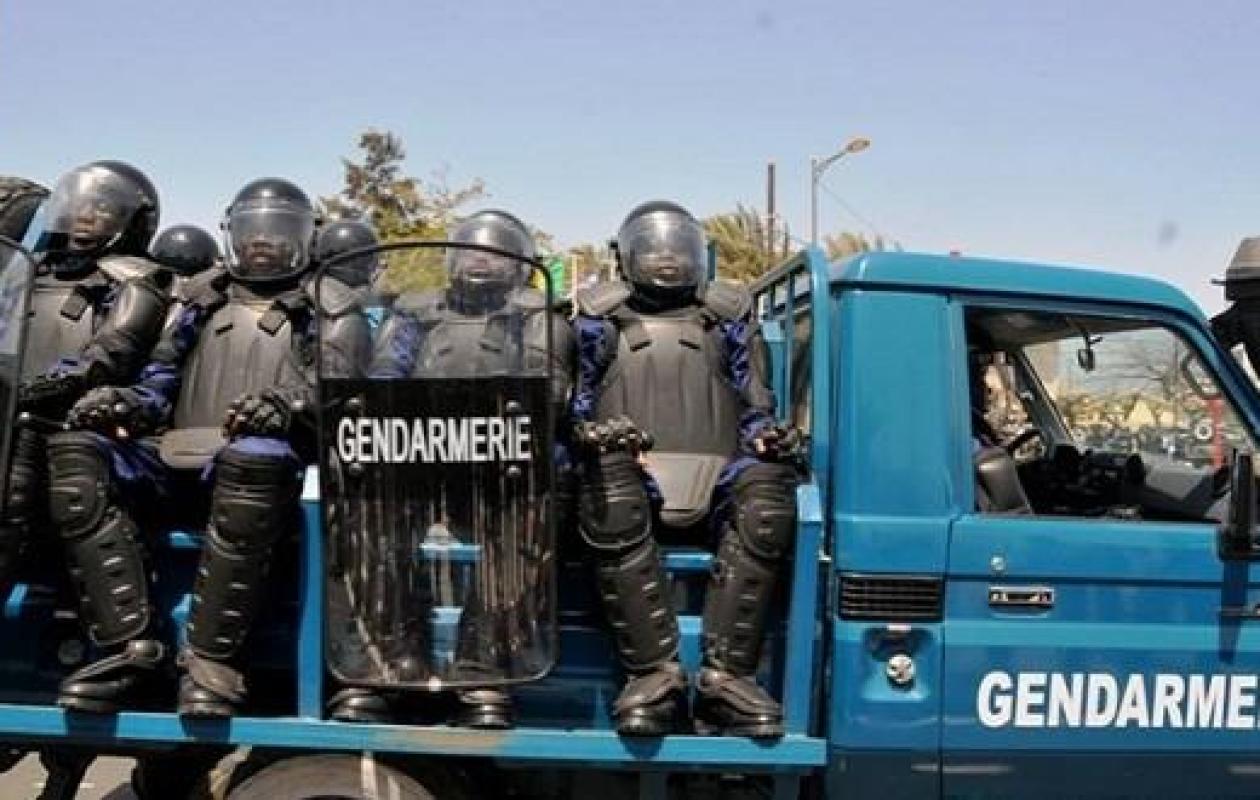
To address these structural weaknesses, the former supervisory body indicated that it had intensified operational cooperation with the French Navy and the maritime gendarmerie. It also emphasized the central role of the Vessel Monitoring System (VMS) in tracking real-time positions, while acknowledging that satellite technology remains dependent on the ability of intervention units to deploy at sea as soon as an infraction is reported.
IUU fishing: The fight for sovereignty and respect for European standards
The final part of the hearing focused on the fight against illegal, unreported and unregulated (IUU) fishing, a scourge that depletes fish stocks, destroys marine biodiversity and puts thousands of artisanal fishing families in precarious situations.
Fatou Diouf advocated for stricter controls and ongoing collaboration between technical departments, the Navy, and security forces. She described the firm enforcement of the Fisheries Code as an essential prerequisite for preserving resources. The former minister also addressed the complex management of the Senegalese flag and the compliance requirements set by the European Union. Conducting rigorous audits and ensuring catch traceability are imperative conditions for lifting EU warnings and maintaining Senegal's credibility on the international market.
At the end of her deposition, Fatou Diouf summarized her action as a desire to restore Senegal's maritime sovereignty, to protect artisanal fishing in the face of dwindling resources, and to impose virtuous administrative governance for the benefit of coastal communities.













Commentaires (0)
Participer à la Discussion
Règles de la communauté
💡 Astuce : Utilisez des emojis depuis votre téléphone ou le module emoji ci-dessous. Cliquez sur GIF pour ajouter un GIF animé. Collez un lien X/Twitter, TikTok ou Instagram pour l'afficher automatiquement.
Se connecter
Commentez avec votre profil, votre photo, et soyez averti des réponses.