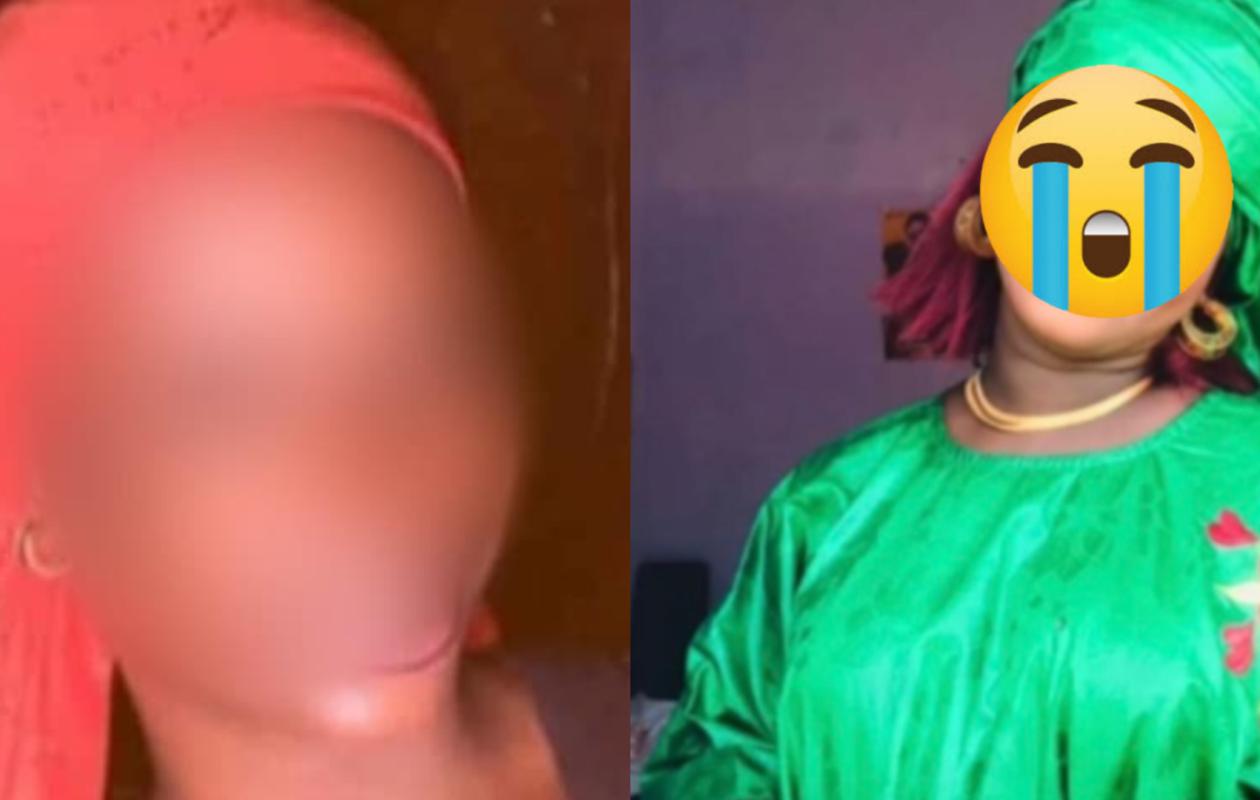
Meurtre d'Aminata Sy, drames de Thiès et Ngor...: De Podor à Dakar, l'inquiétante spirale de la violence mortelle
From the heinous crimes of Podor to the tragedies of passion and fraternal violence in Thiès and Dakar, Senegal is facing a wave of violent deaths that has chilled the public. Beyond the shock and legitimate outrage sparked by the brutal murder of high school student Aminata Sy and the fatal beatings of other victims, this tragic series of events highlights the shortcomings in the management of interpersonal conflicts. This analysis examines a societal phenomenon that places prevention, the protection of vulnerable individuals, and security measures at the forefront of national priorities.
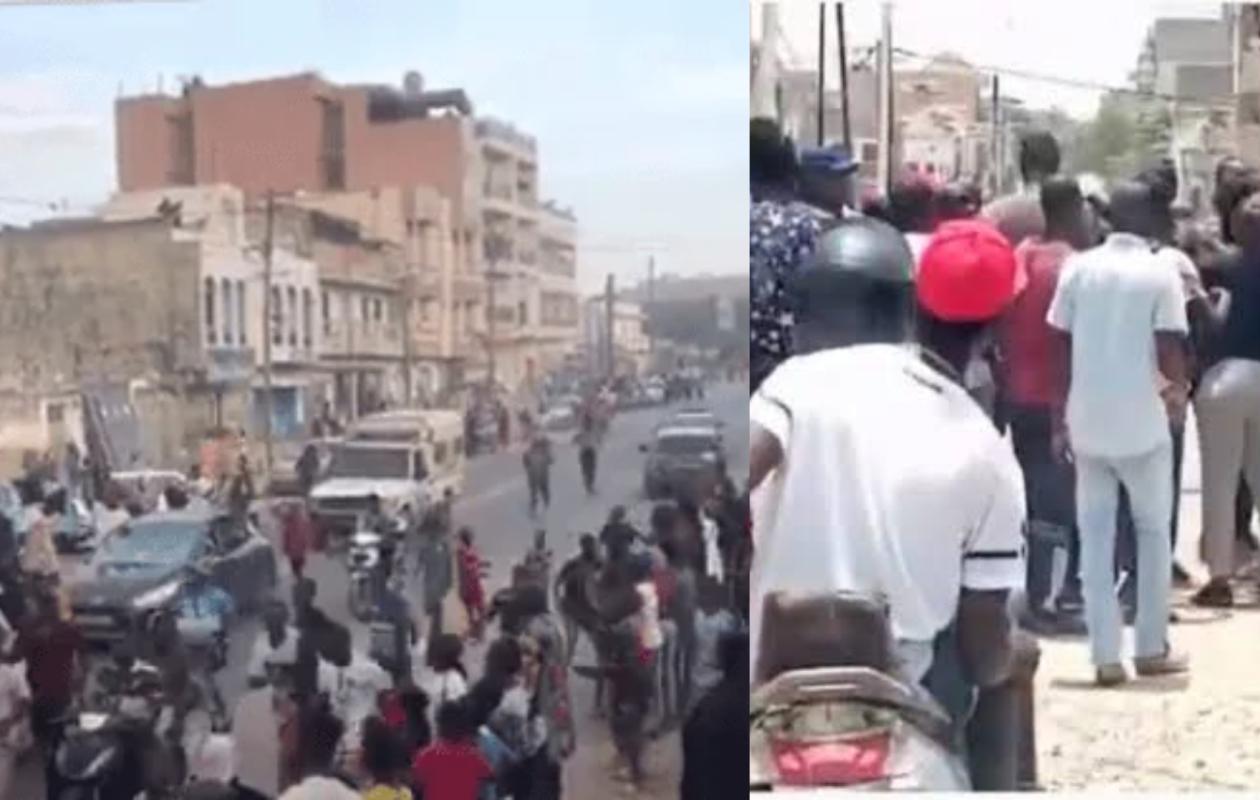
A high school student found dead in a bag in Podor , a young hairdresser killed by her partner in Thiès , a man fatally stabbed by his brother in Guinaw Rails Sud, and a motorcycle taxi driver killed in Ngor Virage . In just a few days, several criminal cases have dominated the news in Senegal. Behind these tragedies, each with its own unique circumstances, lies a deeper question about the escalation to deadly violence, interpersonal conflicts, and how to prevent such tragedies.
Recent criminal news has been particularly marked by violent deaths in various parts of Senegal. From Podor to Dakar, including Thiès and the Dakar suburbs, several cases have sparked outrage and indignation. Beyond the specific circumstances of each case, their succession prompts us to examine the mechanisms that lead certain conflicts to an irreversible outcome.
In Podor, the discovery of the lifeless body of Aminata Sy, a senior at El Hadji Baba Ndiongue High School, has deeply affected the local community. Reported missing since the previous day, the young woman was found bound in a bag behind an abandoned house in the Lao Demba neighborhood, not far from the central market. Reports of the circumstances surrounding her death indicate particularly gruesome violence: the victim's eyes were reportedly gouged out. An investigation has been launched to determine the exact circumstances of her death and establish responsibility.
Also read: "Murder with acts of barbarity in Podor: Aminata Sy's eyes gouged out, her boyfriend wanted"
In Thiès, in the Keur Massamba Guèye neighborhood, a young hairdresser was killed by her alleged partner. Contrary to initial reports that identified the suspect as her husband, Seneweb clarified that the two were in a relationship but were not married. Initial findings of the investigation suggest a possible motive of jealousy.
In Guinaw Rails Sud, an altercation between two brothers reportedly led to the death of the younger brother, who was fatally stabbed. In Ngor Virage, Dakar, a 21-year-old motorcycle taxi driver also lost his life after being stabbed.
Different tragedies, protagonists who don't necessarily share the same connections, but a succession of violent deaths that raises serious questions. How can we understand these acts of violence? What do these cases reveal about conflicts between individuals and the difficulties in preventing their most serious consequences?
In several of these cases, initial reports indicate disputes between acquaintances. In Thiès, investigators are exploring the possibility of a love triangle. In Guinaw Rails Sud, the tragedy reportedly stemmed from an altercation between two brothers living under the same roof. In Ngor Virage, the reported circumstances suggest a dispute between the victim and the suspect.
These elements do not establish a common cause for all these crimes. However, they raise an essential question: how can tensions between individuals, under certain circumstances, lead to death?
Understanding these mechanisms requires going beyond the initial versions of events. The role of potential threats, the existence of prior violence, the precise circumstances of the altercations, and the possibilities for intervention before the tragedy are all avenues to be explored, case by case.
In situations of violence within intimate relationships, the issue of prevention deserves particular attention. Specialists in domestic and intra-family violence can contribute to identifying risk factors and ways to better protect those at risk. However, none of these factors can be presented as a definitive explanation without specific details from each individual case.
The case of Aminata Sy raises particular questions due to the horrific circumstances surrounding her death. The investigation must establish the sequence of events and determine responsibility. In such a sensitive case, the need to shed full light on the events must go hand in hand with respect for the victim and her family.
What do the crime statistics say?
These cases occur in a context where official data also allows us to measure part of the activity of the security services in the face of violent crimes.
According to the National Police's 2025 annual report, presented in March 2026, 96 people were brought before the public prosecutor for voluntary homicide and 145 for attempted murder during the year. These figures are among the offenses recorded against individuals in the institution's report.
They shed light on the scale of the proceedings initiated for these offenses. However, they do not correspond to the total number of victims or murders recorded in the country: a single case may involve several people, and referral refers to a stage in the judicial process.
These figures nevertheless serve as a reminder that intentional homicides and attempted murders represent a real challenge for security services and the justice system. To measure any potential changes in this violence, it would be necessary to compare the same indicators over several years, taking into account their definition and method of calculation.
The succession of several serious cases in the news is therefore not sufficient, on its own, to establish a general increase in murders. However, it constitutes a legitimate starting point for examining prevention methods, support for people exposed to violence, and the response to crimes committed.
After each murder, the initial shock gives way to questions, calls for justice, and sometimes demands for harsher penalties. Yet, beyond the essential legal response, another question remains: what can be done to prevent such tragedies from occurring?
Reporting threats, providing access to protection services, taking past violence seriously, and supporting people in danger are avenues worth exploring. However, their effectiveness must be assessed based on data, testimonies, and the expertise of relevant professionals.
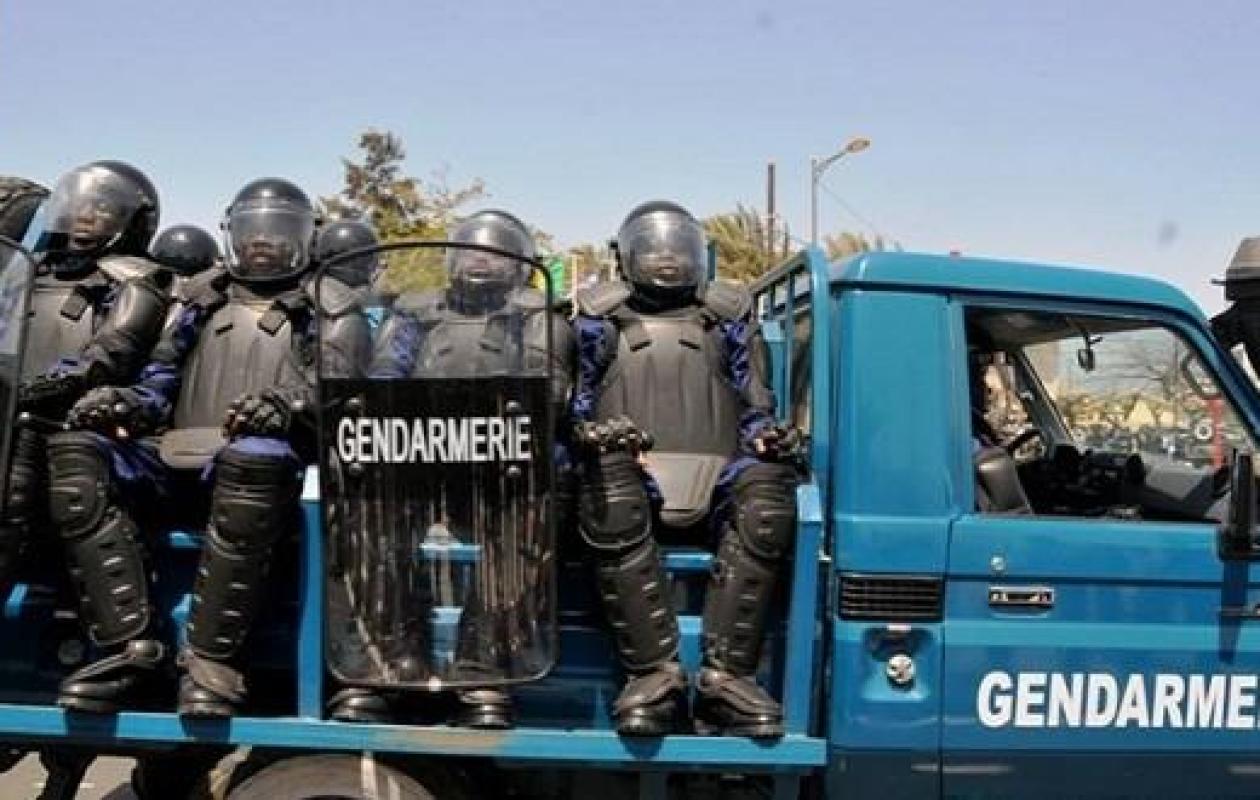
Prevention cannot rely solely on families or communities. It requires a coordinated response from security services, the justice system, support structures, and social actors, depending on the identified risks.
In every case, responsibilities must be established by the justice system, respecting due process and the presumption of innocence. For bereaved families, there is first and foremost an irreversible loss and a longing for the truth. For society, the challenge is also to understand the circumstances of this violence in order to better prevent its recurrence.
From Podor to Dakar, via Thiès and Guinaw Rails Sud, these tragedies remind us that behind every news item lie broken lives and questions that go beyond the purely legal framework.
Should we strengthen mechanisms for preventing violence, improve the management of conflicts that escalate, or rethink the systems for protecting people in danger? And how can we ensure that warning signs, when they exist, are not ignored?
Beyond the emotion aroused by these cases, it is this debate that these tragedies invite.



















Commentaires (1)
Participer à la Discussion
Règles de la communauté
💡 Astuce : Utilisez des emojis depuis votre téléphone ou le module emoji ci-dessous. Cliquez sur GIF pour ajouter un GIF animé. Collez un lien X/Twitter, TikTok ou Instagram pour l'afficher automatiquement.
Se connecter
Commentez avec votre profil, votre photo, et soyez averti des réponses.