« Nous perdons nos récoltes et nos enfants » : De l'enclavement au cauchemar de l'émigration, la douleur déchirante des familles de Thiéppe
The grief is immense in the Louga region. Nearly a week after the migrant boat capsized off the coast of Tobène 2, the grim death toll has risen to 44. Between the anguish of the bereaved families of Thiéppe, Potou, Saré Dao, and Gouye Seck, the establishment of a crisis committee, the visit of the authorities, and the urgent appeal regarding the isolation of these agricultural areas, this is a look back at a tragedy that has shaken the entire country.
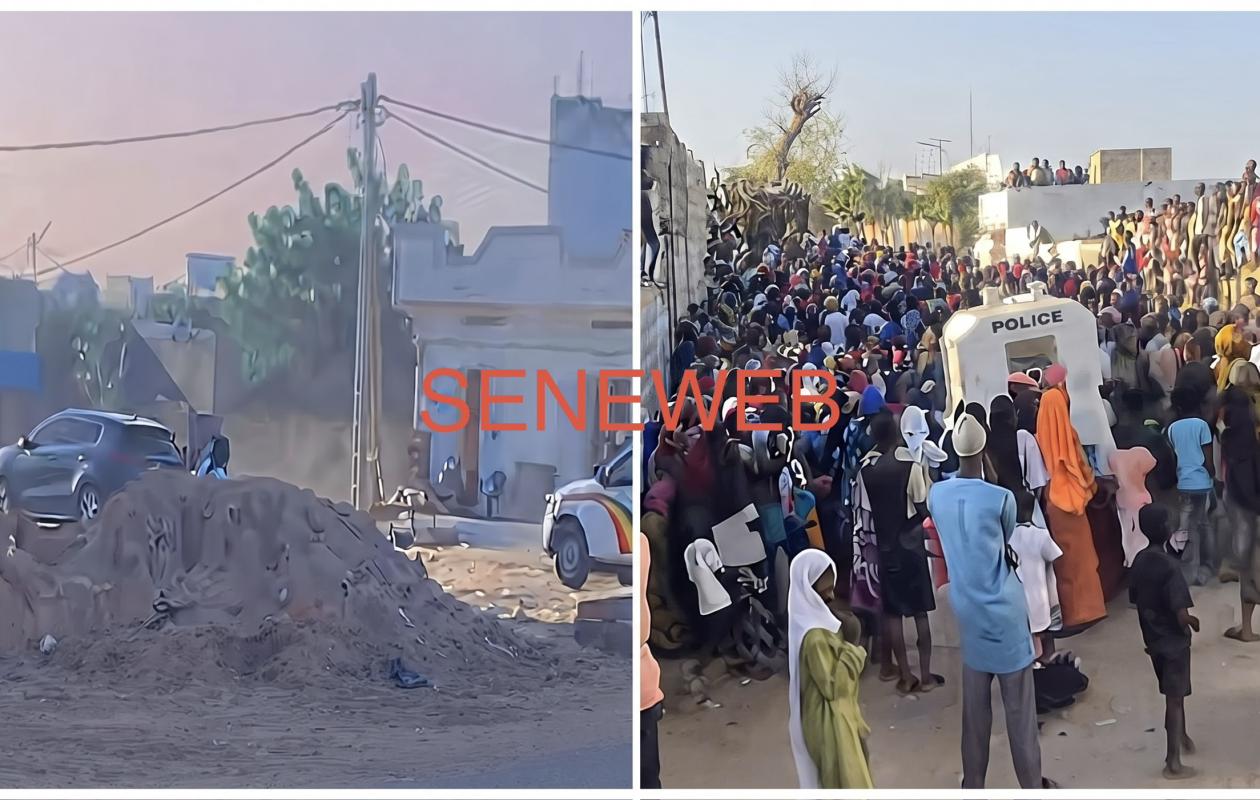
The inhabitants of Tobène 2, Saré Dao, Gouye Seck — in the commune of Thiéppe — and Potou (department of Kébémer, region of Louga) are plunged into consternation following the deadly shipwreck of a migrant pirogue on Friday, November 6, 2026. The provisional toll of this tragedy has reached 44 dead and only one survivor, while many young people remain missing.
There were approximately 150 would-be migrants on board this makeshift boat. Each reportedly paid between 400,000 and 700,000 CFA francs to reach Spain, but most of them will never have the chance to set foot on European soil.
The dreams of some forty young people were shattered at sea, leaving their families in profound grief. This tragedy has shocked the entire Senegalese nation. In response to this migrant disaster, the authorities have taken several measures, including the evacuation of the victims to the Kébémer health district and the Amadou Sakhir Mbaye regional hospital in Louga.
These coastal villages are victims of their isolation. Surrounded by sand dunes, they suffer from very difficult access and a glaring lack of basic social infrastructure, factors which are said to be at the origin of the departure of these many young people ready to embrace clandestine emigration at any cost.
The establishment of a regional crisis committee
The governor of the Louga region, Ndèye Nguénar Mbodj, has established a regional crisis committee to manage the situation. This committee is responsible for coordinating rescue and search operations to recover any bodies.
The victims' bodies were transported to the morgues of the Kébémer health district and the Amadou Sakhir Mbaye Regional Hospital in Louga. After identification, the bodies were immediately released to their respective families for burial. However, 11 bodies remain at the regional hospital morgue due to a lack of identification.
The causes of the tragedy
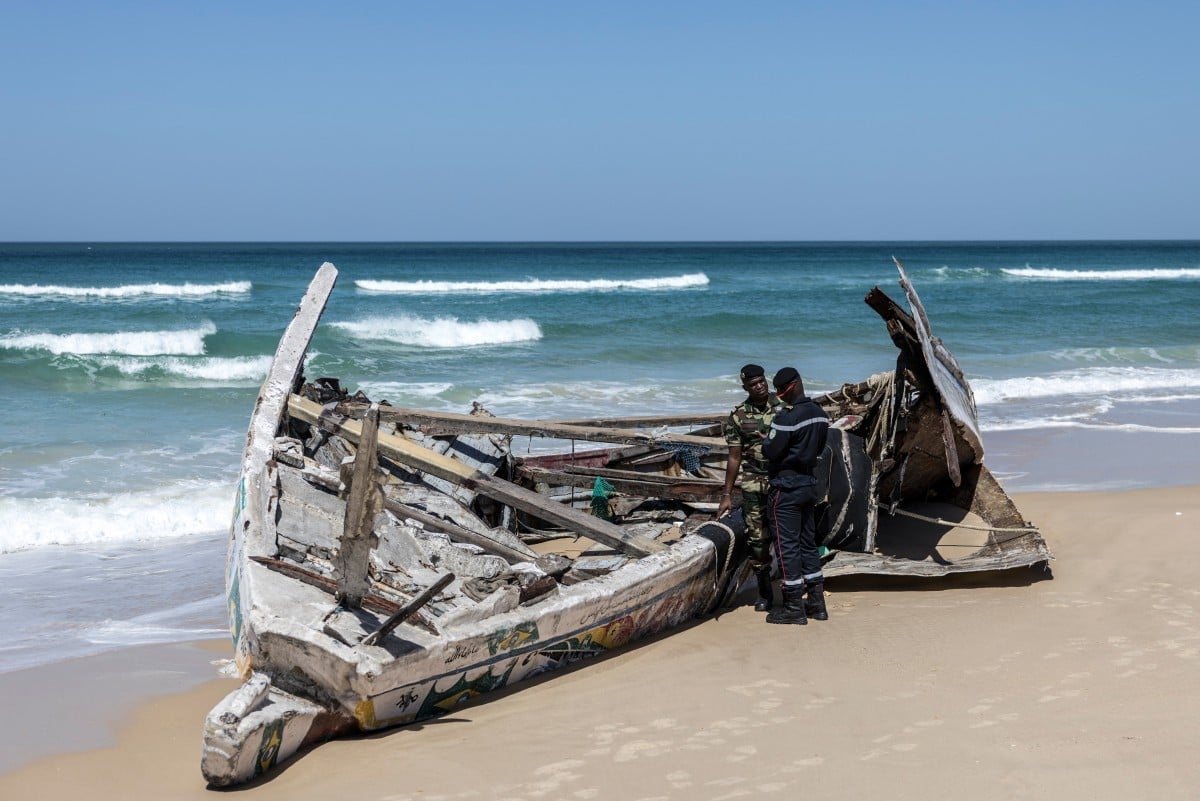
The accident occurred off the coast of Tobène 2, a town located between Lompoul and Thiéppe. The boat, carrying young people attempting to emigrate irregularly to Spain, broke in two after hitting a sandbar. The passengers who jumped from the pirogue in an attempt to save themselves drowned. The initial provisional death toll was 21.
The death toll continued to rise. While the first four bodies were discovered on Friday, search operations conducted by rescue services and local residents recovered dozens more remains throughout the week. Five more bodies were found off the coast of Thiéppe beach on November 11, bringing the total to 44 victims.
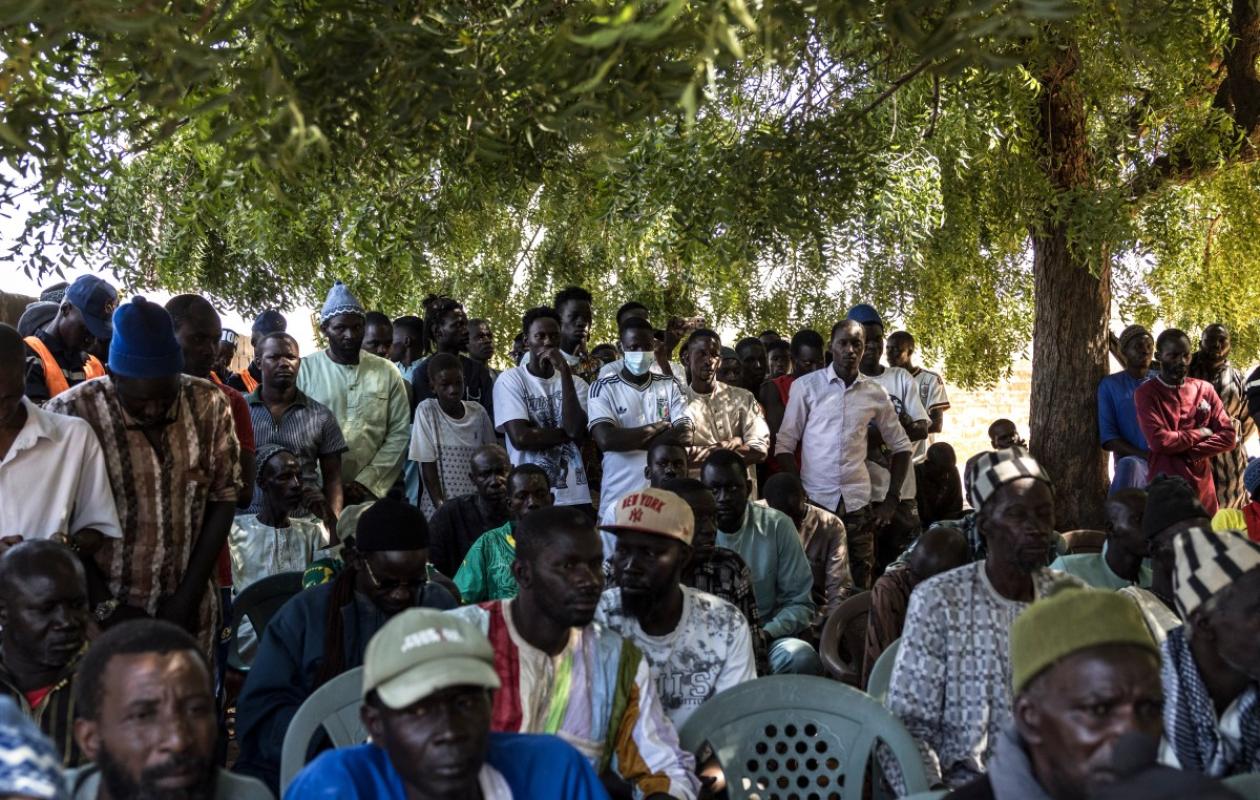
The majority of the missing young people come from the regions of Kaffrine, Bignona, Kaolack, Linguère, Thiès, and surrounding villages along the Grande Côte, including Thiéppe, Potou, Gouye Seck, and Saré Dao. Several families in the area have simultaneously lost multiple children, and the pain and worry are etched on the faces of parents often unable to hold back their tears.
State mobilization
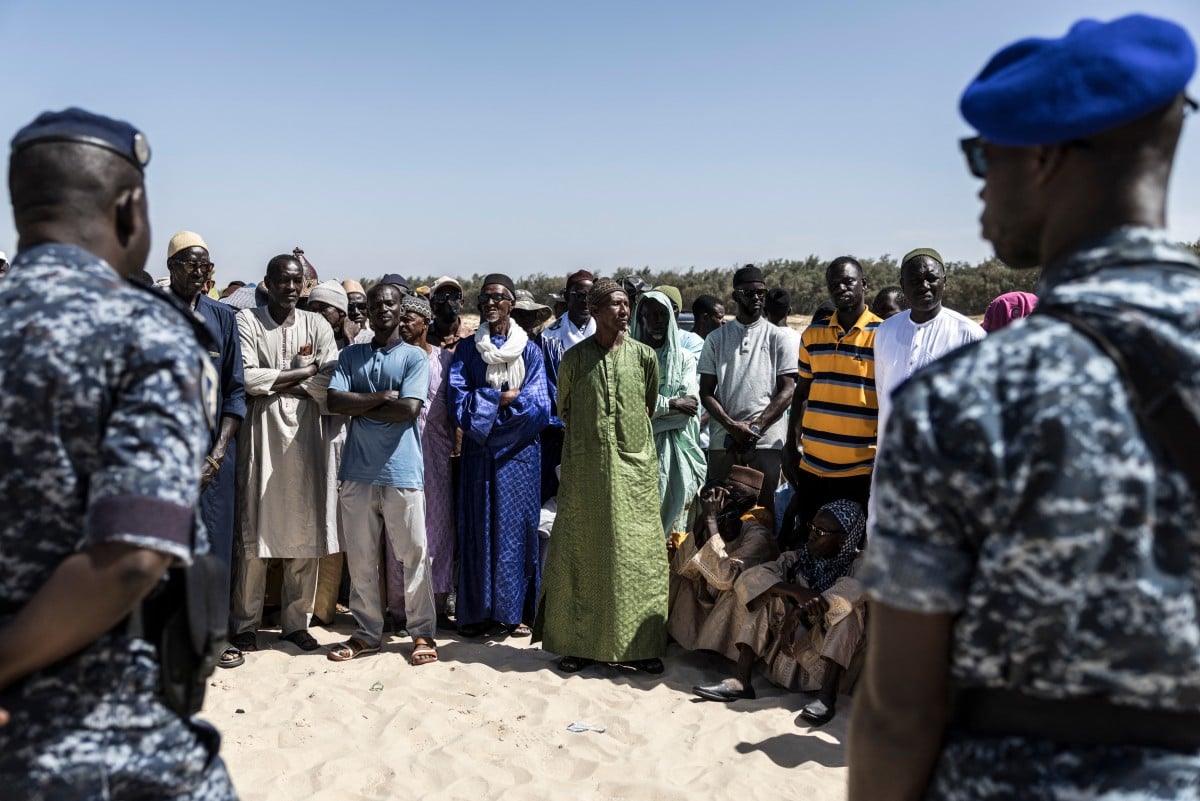
The Minister of the Interior and Public Security, Mouhamadou Makhtar Cissé, and the Governor of the Louga region, Ndèye Nguénar Mbodj, visited the site to offer the government's condolences and coordinate the identification of the bodies. The Minister described the smugglers as "modern-day slave traders" and announced a relentless crackdown on those organizing these crossings.
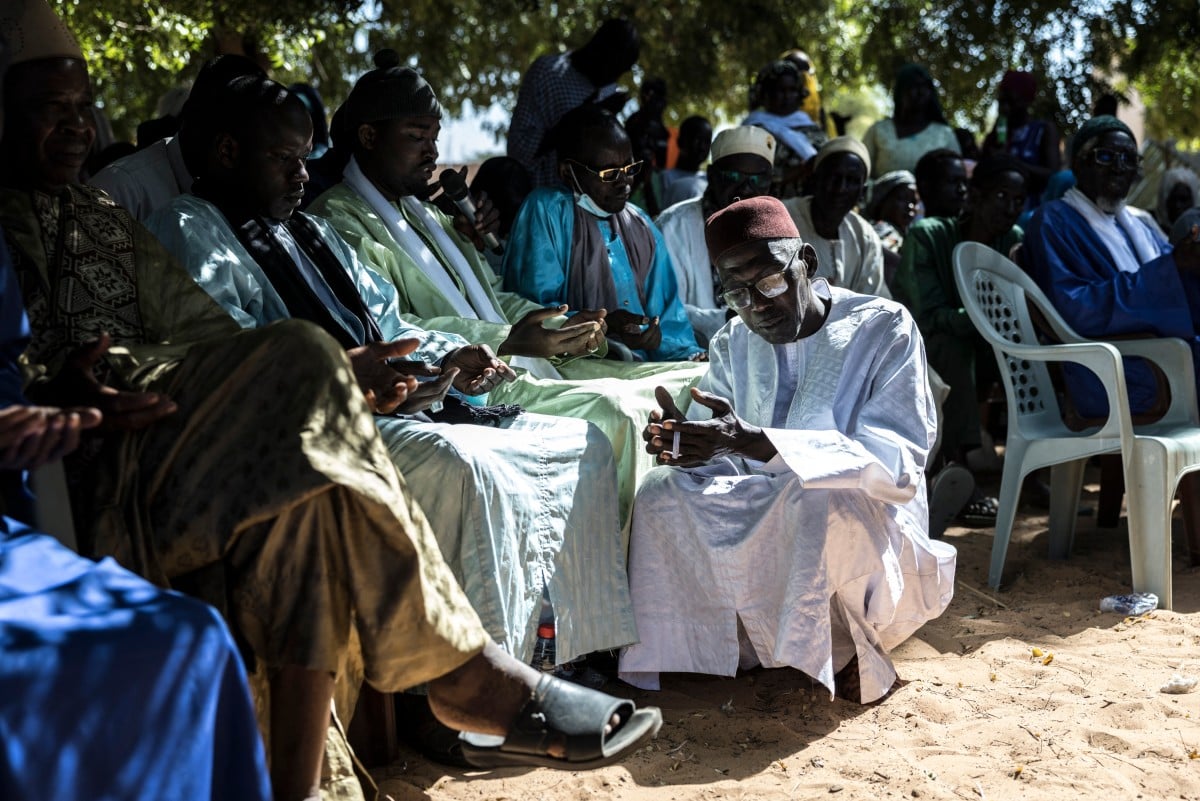
The following day, the Minister of Family, Social Action, and Solidarity, Marie Angélique Mame Sélbé Diouf, visited the villages to meet with the families devastated by their grief. Mame Sélbé Diouf offered the government's condolences before advocating for harsher penalties for smugglers. She used her visit to encourage young people to stay in the country instead of risking their lives at sea, and announced that the government would provide each victim's family with one million CFA francs in support.
Grievances of the victims' families
Overwhelmed by grief, families struggle to express their concerns. From Thiéppe to Potou, passing through Saré Dao and Gouye Seck, their grievances converge: lack of drinking water, electricity, access roads, and storage facilities. These villages are major market gardening centers, yet crops often rot in the fields due to the lack of usable roads or transportation.
In Gouye Seck, Ousmane Dieng, speaking on behalf of the families, challenged the government on the lack of infrastructure: “Certainly, on coming here, your vehicles got stuck in the sand because there are no roads. We are losing our harvests due to the lack of logistical means to transport our produce to other areas. Our villages are surrounded by sand dunes that prevent vehicles from accessing them.”
The search continues
Local authorities, firefighters, and residents are continuing their search of the coastline between Lompoul and Potou in an effort to find the missing and bury the unidentified bodies, which are in an advanced state of decomposition. Under the supervision of administrative authorities, security services remain on site at the beach.
Heartbreaking testimonies from families
Khady Fall (57 years old), aunt of Pape Dia (Saré Dao):
“On Thursday, November 5th, a cousin called me to tell me about a pirogue that had capsized at Tobène 2, resulting in several deaths. I immediately stopped working in the fields and went home. Worried, I asked around for news, but initially, we had no information about the deceased. Around 6 p.m., my husband called my nephew, Pape Dia, a tailor in Thiès, but he was unreachable. We learned of his death through social media, where his photo was appearing among the victims. That night, we slept under the stars. He was married and the father of two children.”
Ousmane Dieng (69 years old), retired, father of the late Cheikh Omar Dieng (Gouye Seck):
“Sheikh Omar Dieng was a driver, married, and a father. He earned a good living, but we still don't understand what drove him to undertake this journey by pirogue. He told no one about his plan. It's a great loss for his entire family. The whole village mourns his death; he was helpful, generous, kind, and respectful. We pray that God welcomes him into paradise.” His words, often punctuated by tears, urge young people to turn their backs on this scourge of illegal immigration.
This tragedy starkly highlights the thorny issue of youth employment in Senegal. Even though most of those who take these makeshift boats to reach Spain already have some form of work, it often remains precarious and unprofitable. The government is therefore urged to strengthen training and integration strategies to guarantee young people a decent future at home.





















Commentaires (4)
Les hommes politiques sénégalais ne méritent pas vos attentions... Travaillez soyez patients et ne sacrifiez jamais vos rêves pour des politiciens tous
Dommage on ne s'est ou passe cet argent!!!
Participer à la Discussion
Règles de la communauté
💡 Astuce : Utilisez des emojis depuis votre téléphone ou le module emoji ci-dessous. Cliquez sur GIF pour ajouter un GIF animé. Collez un lien X/Twitter, TikTok ou Instagram pour l'afficher automatiquement.
Se connecter
Commentez avec votre profil, votre photo, et soyez averti des réponses.