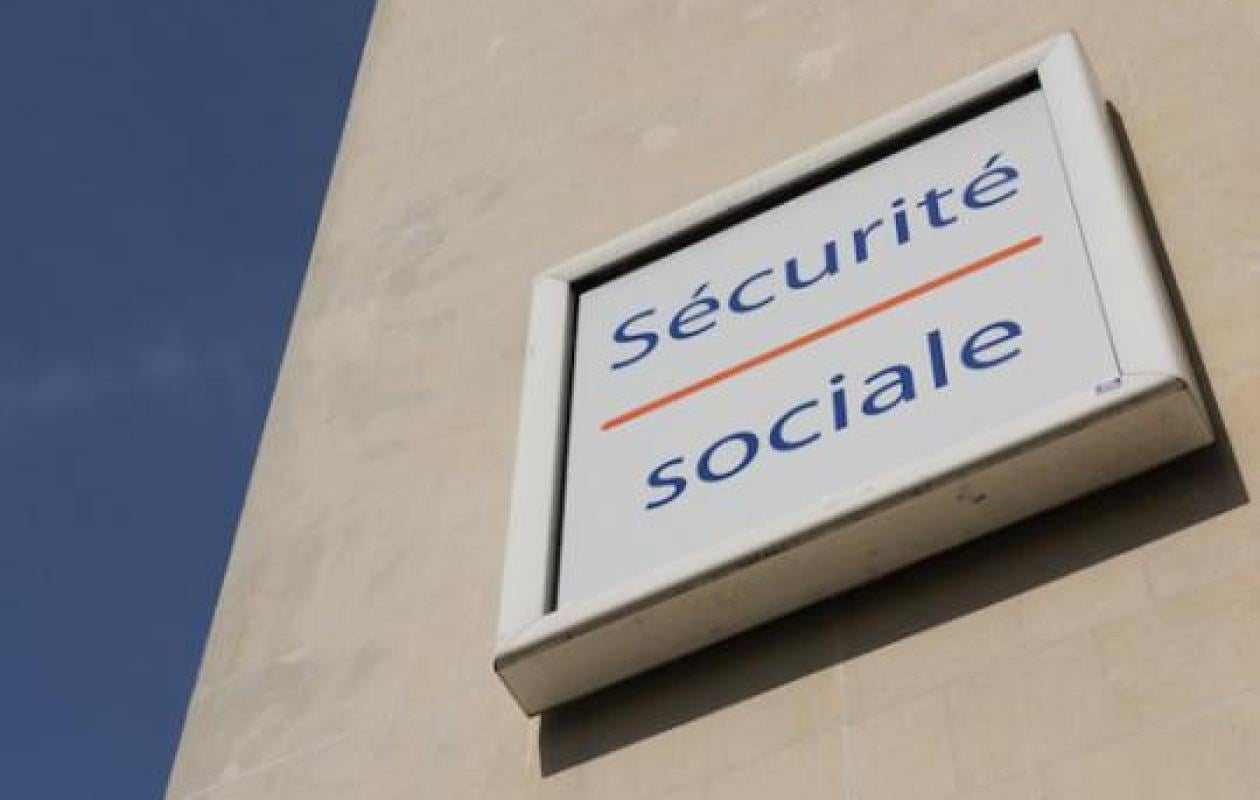
Nouveau Code de la Sécurité sociale : harmonisation, extension de la couverture et assurance maladie universelle au menu
Bill No. 16/2026, the Social Security Code, was examined by members of the National Assembly in plenary session on Monday, June 22. Mamadou Lamine Dianté, Minister of Public Service, Labor, and Public Service Reform, began by recalling that in 1962, the State of Senegal partially ratified Convention No. 102 of the International Labour Organization, which constitutes the minimum standard of social security. He explained that the transposition of the principles and provisions of this convention into legislation resulted in the adoption of Law No. 73-37 of July 31, 1973, the Social Security Code, which initially only covers family benefits, workplace accidents, and occupational diseases.
“He further indicated that Law No. 75-50 of April 3, 1975, concerning Social Welfare Institutions (SSIs), was adopted to confer legal status on these organizations, such as the West African Welfare and Pension Institution (IPRAO) and the health insurance groups that spontaneously formed to manage social risks. Thus, IPRAO became the Senegalese Retirement and Welfare Institution (IPRES), governed by Decree No. 75-455 of April 24, 1975, which made affiliation to a pension scheme mandatory for all employers and all salaried workers.” "Mandatory health insurance, meanwhile, has been entrusted to health insurance institutions governed by Decree No. 2012-832 of August 7, 2012, repealing and replacing Decree No. 75-895 of August 14, 1975," reported parliamentarian Youngare Dione.
After acknowledging the limitations, major innovations were introduced.
In this regard, the minister specified that this gradual implementation of the various schemes has helped to consolidate Senegal's social security system. However, over time, this system has revealed limitations, namely the fragmentation and obsolescence of the regulations, the absence of results-based management mechanisms, the failure to take into account developments in community law regarding social security, the inadequacy of the benefits offered, the exclusion of certain categories of beneficiaries, and the limited legal means for intervention by the labor and social security inspector in social security matters.
In this context, he will emphasize, the need for a thorough reform of the legal framework of social security is entirely relevant. Mamadou Lamine Dianté explained that the new Code, which repeals and replaces Law No. 73-37 of April 3, 1973, concerning the Social Security Code, introduces innovations such as the harmonization of the legal framework for social security, the definition of technical terms and guiding principles of social security, the introduction of results-based management mechanisms in the management of social welfare institutions, the strengthening of the role of technical oversight in the governance of these institutions, the strengthening of the legal resources of Labor and Social Security inspectors in social security matters, the establishment of a body for guidance and coordination of general social security policy, the improvement of the technical management of branches and benefits, including the introduction of a disability pension, the extension of coverage to workers in very small economic units and the self-employed, and the establishment of universal health insurance comprised of the mandatory health insurance scheme for workers covered by the Labor Code and the Merchant Marine Code, and the health insurance scheme. OBLIGATORY.























Commentaires (2)
Participer à la Discussion
Règles de la communauté :
💡 Astuce : Utilisez des emojis depuis votre téléphone ou le module emoji ci-dessous. Cliquez sur GIF pour ajouter un GIF animé. Collez un lien X/Twitter, TikTok ou Instagram pour l'afficher automatiquement.