Pesticides Hautement dangereux : Les données fiables, gage d’une gestion efficace
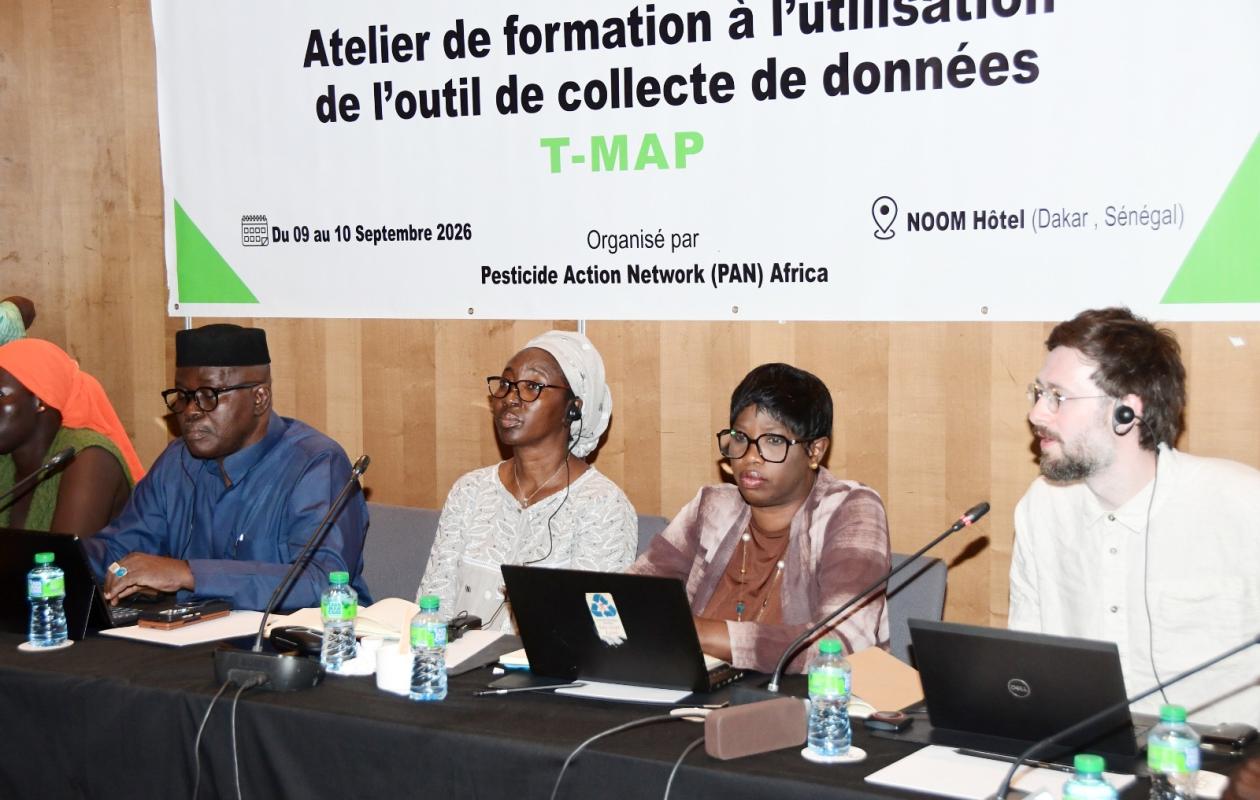
The management of extremely hazardous pesticides continues to fuel debate. This issue was the focus of a training workshop on using the T-MAPP tool for collecting data on highly hazardous pesticides (HHPs). The workshop, which opened on September 9, 2029, was organized by the Pesticide Action Network (Pan-Africa) in collaboration with the University of Edinburgh's Centre for Pesticide Suicide Prevention.
“This training, based on the use of the T-MAPP tool, will allow us to have reliable data. But it is an opportunity that can open other doors for you,” said Maïmouna Diène, coordinator of Pan Africa Senegal, during a workshop that falls within the framework of the Project: “Identify/Prioritize extremely hazardous pesticides (HHPs) responsible for poisonings and deaths in Senegal to allow for better monitoring, effective prevention and better national and regional decision-making on pesticides.”
The availability of reliable data is necessary for developing strategies, according to the representative of the Directorate of Environmental Regulation and Control (Direc). "Reliable data will help us control hazardous pesticides," stated Ramatoulaye Diop Marco of Direc.
Extremely hazardous pesticides pose more problems in developing countries. “Extremely hazardous pesticides constitute a public health problem. More than 95% of poisoning cases occur in our countries. They are classified according to their acute toxicity, their long-term effects on health and the environment, and in accordance with conventions,” stated Pape Samb Guèye, President of the National Committee for Chemical Product Management (CNGPC). He added that this training will provide reliable data on acute poisonings, a reliable database, and the ability to analyze the impacts of pesticides on farmers' health. “We will not be conducting the investigation in the peanut basin, but in the Niayes region where pesticides are used indiscriminately,” he said.
According to the expert trainer, the best global estimates indicate that 400 million cases of pesticide poisoning are recorded worldwide each year, meaning that 46% of farmers are poisoned by pesticides. Furthermore, between 15% and 80% of those surveyed reported experiencing adverse health effects from pesticides. "Farmers and farm workers are heavily exposed to pesticides in their work, leading to serious long-term health consequences. Unintentional acute pesticide poisoning (UAPP) is common but underreported," revealed trainer Joey Salmon.
B.SEYDI






















Commentaires (0)
Participer à la Discussion
Règles de la communauté
💡 Astuce : Utilisez des emojis depuis votre téléphone ou le module emoji ci-dessous. Cliquez sur GIF pour ajouter un GIF animé. Collez un lien X/Twitter, TikTok ou Instagram pour l'afficher automatiquement.
Se connecter
Commentez avec votre profil, votre photo, et soyez averti des réponses.