Podor : à Aéré Lao, les premières chèvres du waqf public agricole entrent dans les familles
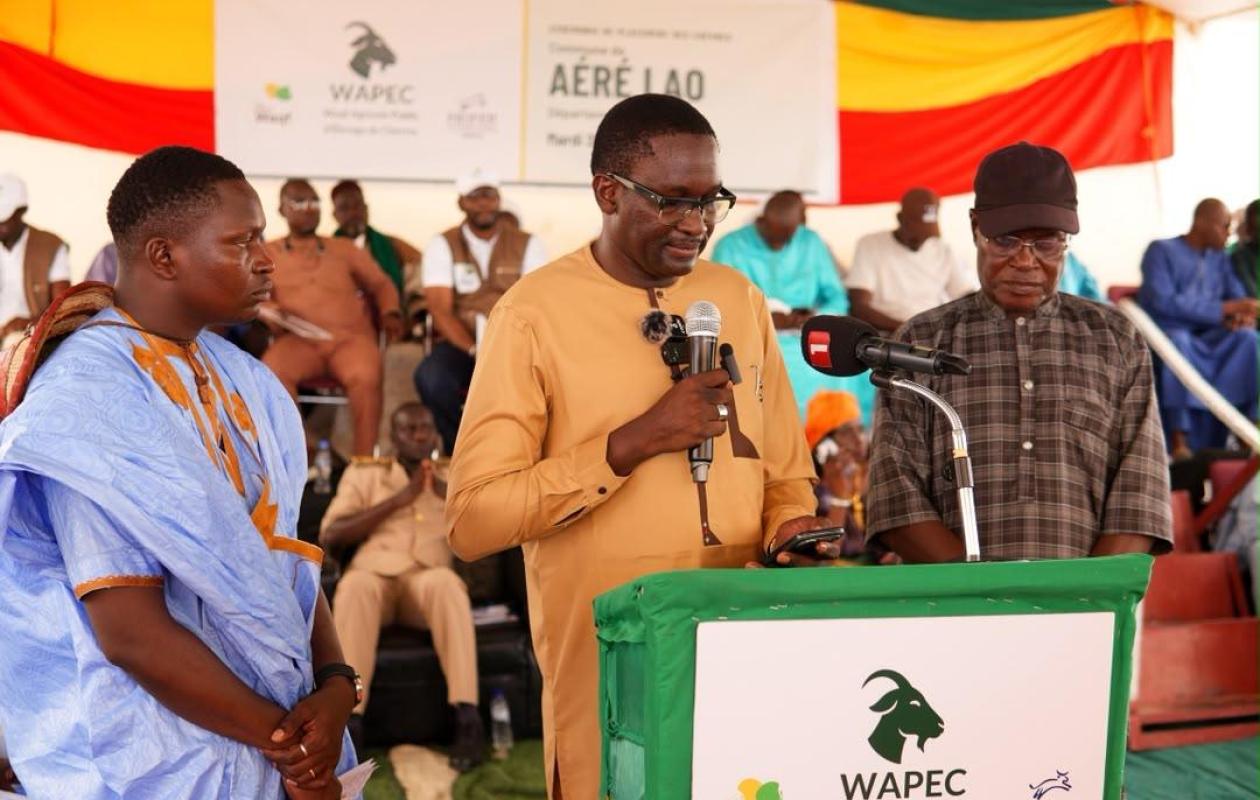
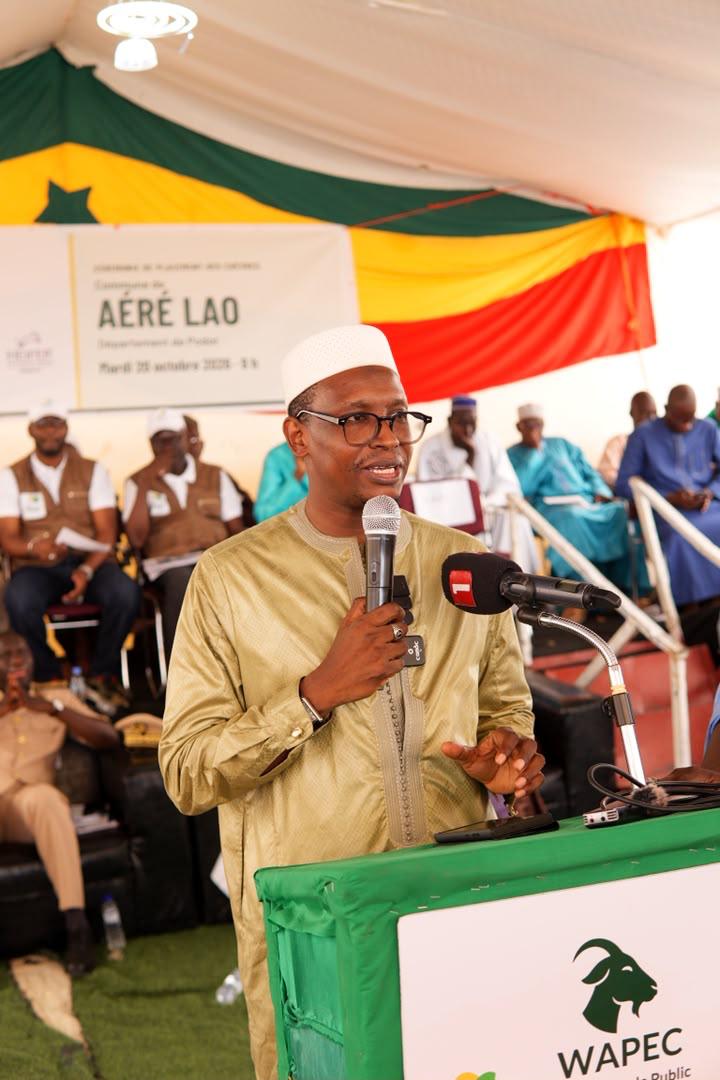
The High Authority of Waqf (HAW) and Heifer International Senegal presented the first goats of the Public Agricultural Waqf for Goat Breeding (WAPEC) to Aéré Lao on Tuesday, October 20, 2026. The principle is simple: what each family receives, it will in turn pass on to another family.
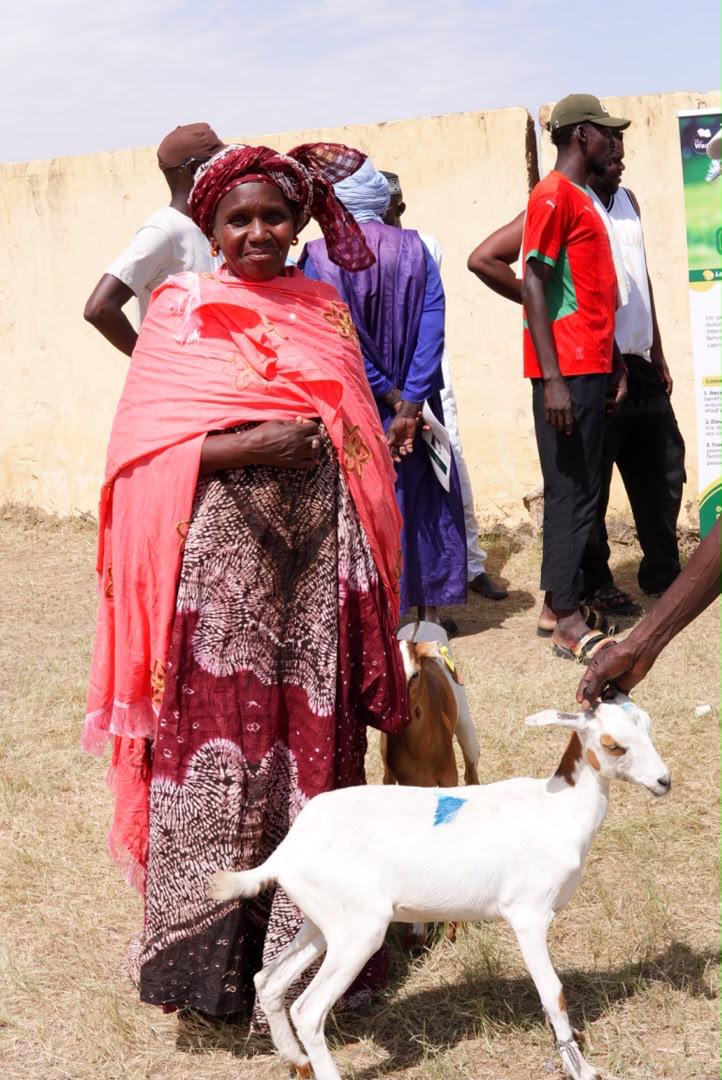
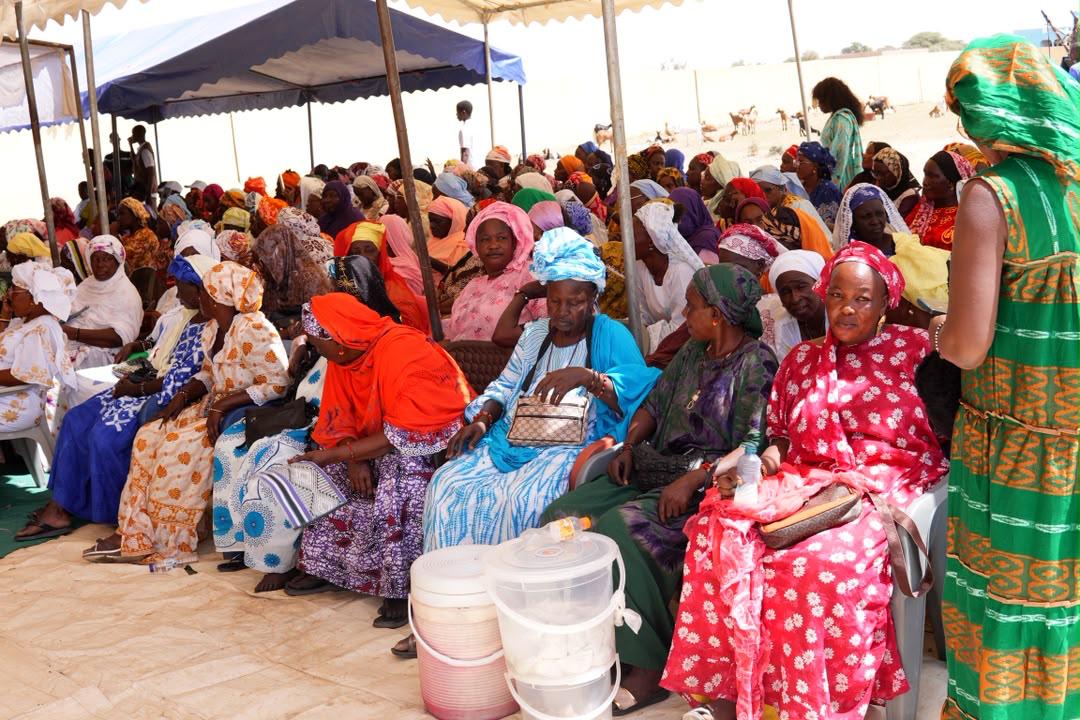
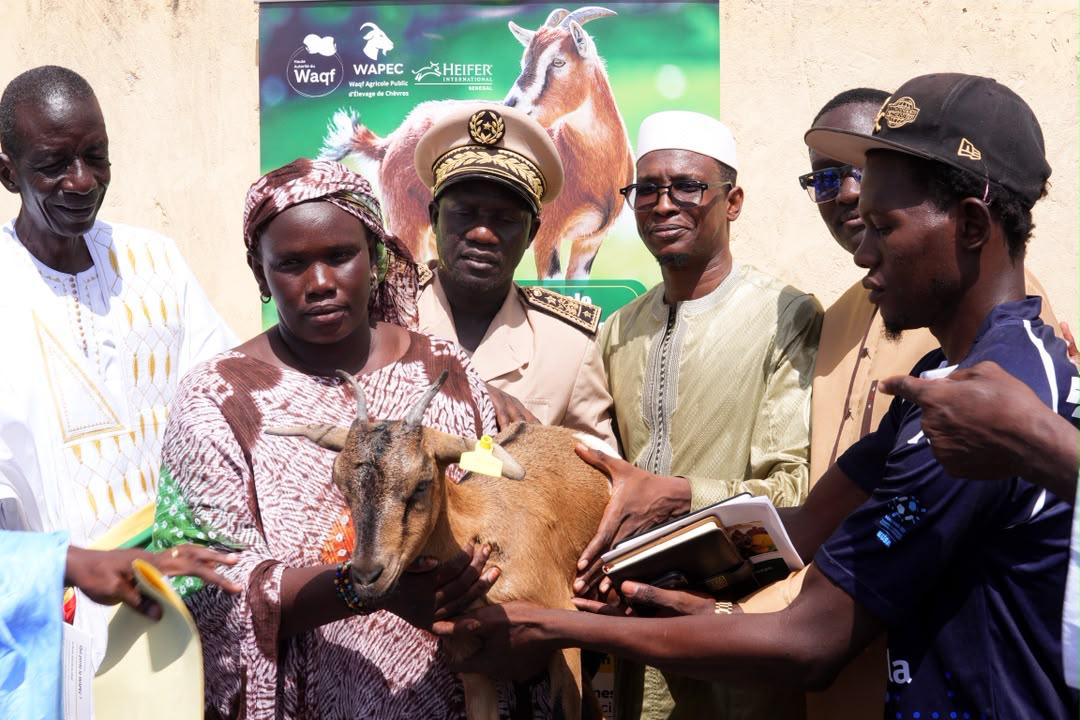
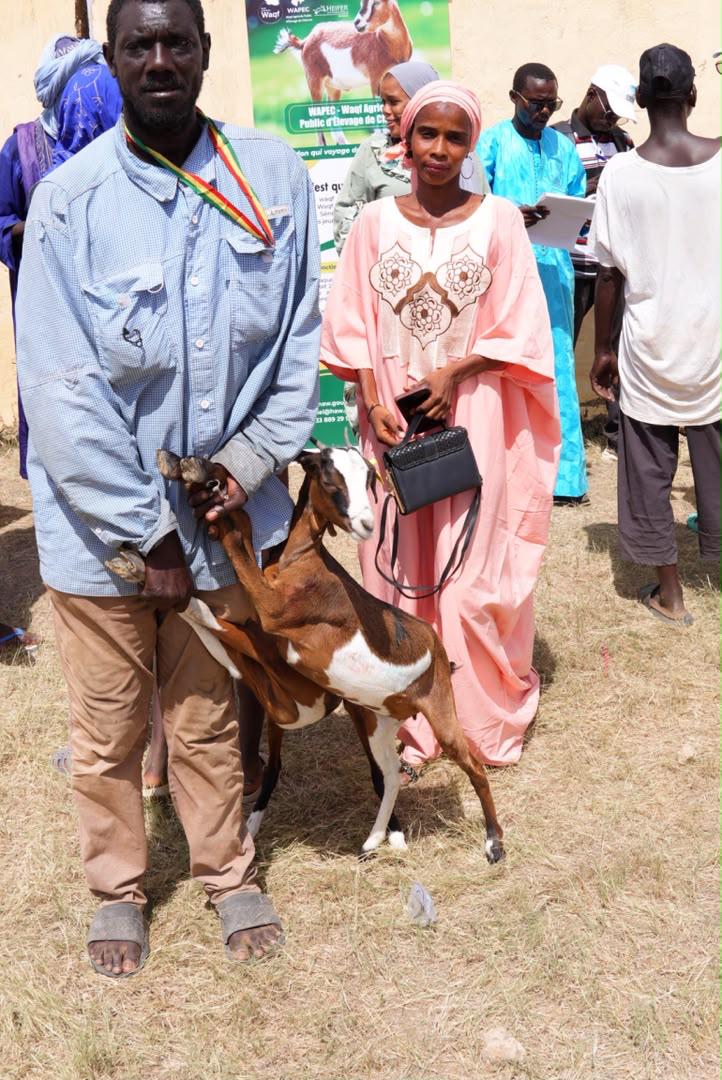
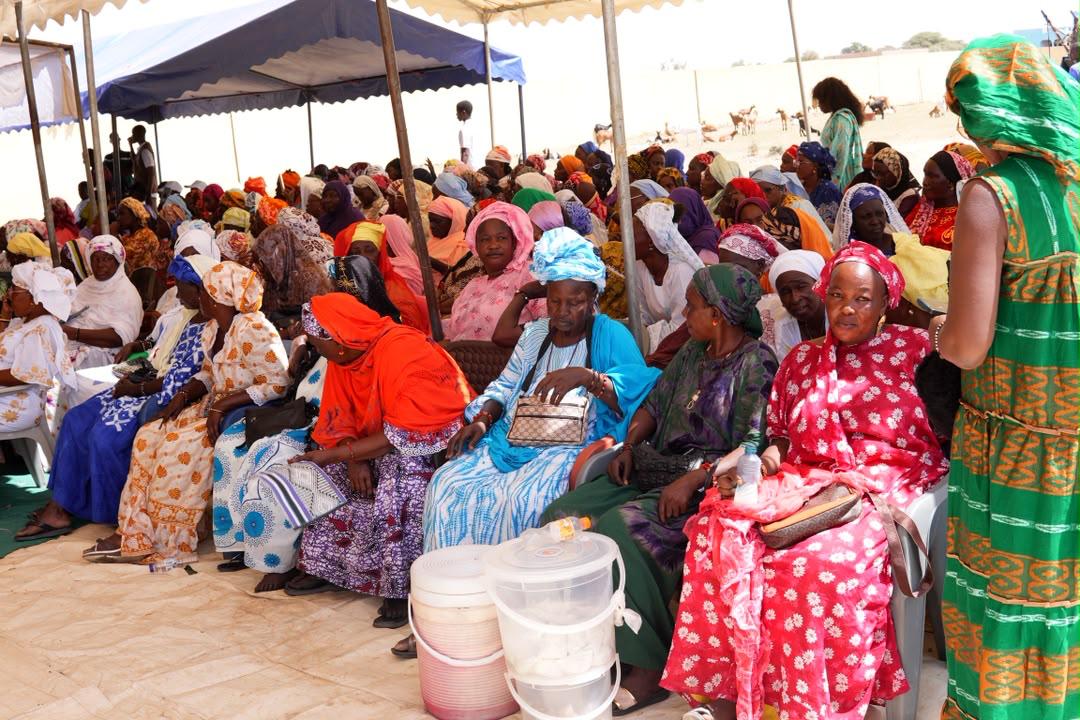
Under the tent painted in the national colors, the women arrived early. They wore boubous of every color, held their bags on their laps, and followed the speeches intently. Behind them, in a fenced enclosure, the animals waited: 100 goats and 10 bucks. Each wore a numbered yellow ear tag. At the handover ceremony, each recipient left with their goats. Some reared up and pulled on the rope, while others posed for photos with their new owners.
For these women and young people of Fouta, the day marks the culmination of several months of preparation. Yet it is only the beginning.
"The donation has traveled."
WAPEC is the first public agricultural waqf dedicated to goat farming. It plans to gradually distribute 1,000 goats and 100 bucks to 2,000 women and young people, organized into 100 groups. The project covers ten communes in the departments of Podor and Koungheul. The animals were purchased using HAW's own funds.
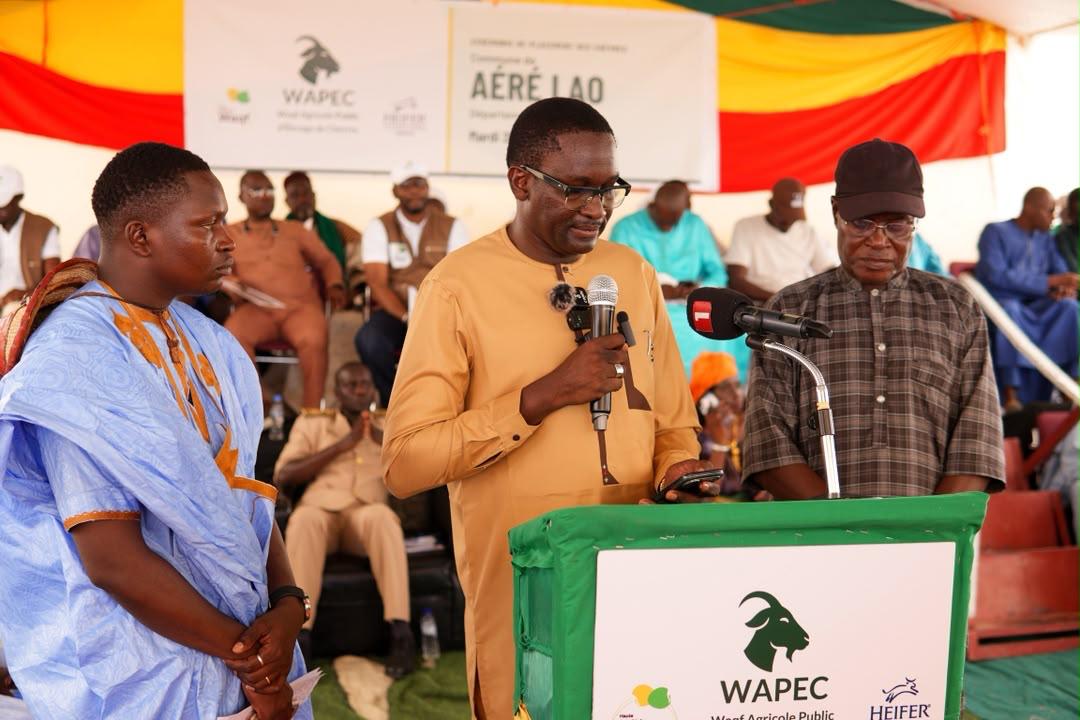
The Director General of HAW, Dr. Ahmed Lamine Athie, reiterated the meaning of this initiative: “The waqf is this ongoing charity, sadaqah jariyah. We give once, and the good continues to serve us, long after we are gone.” According to him, WAPEC embodies an ambition: “to make the waqf a concrete instrument for combating poverty, strengthening food security, and creating sustainable income,” particularly for women and young people.
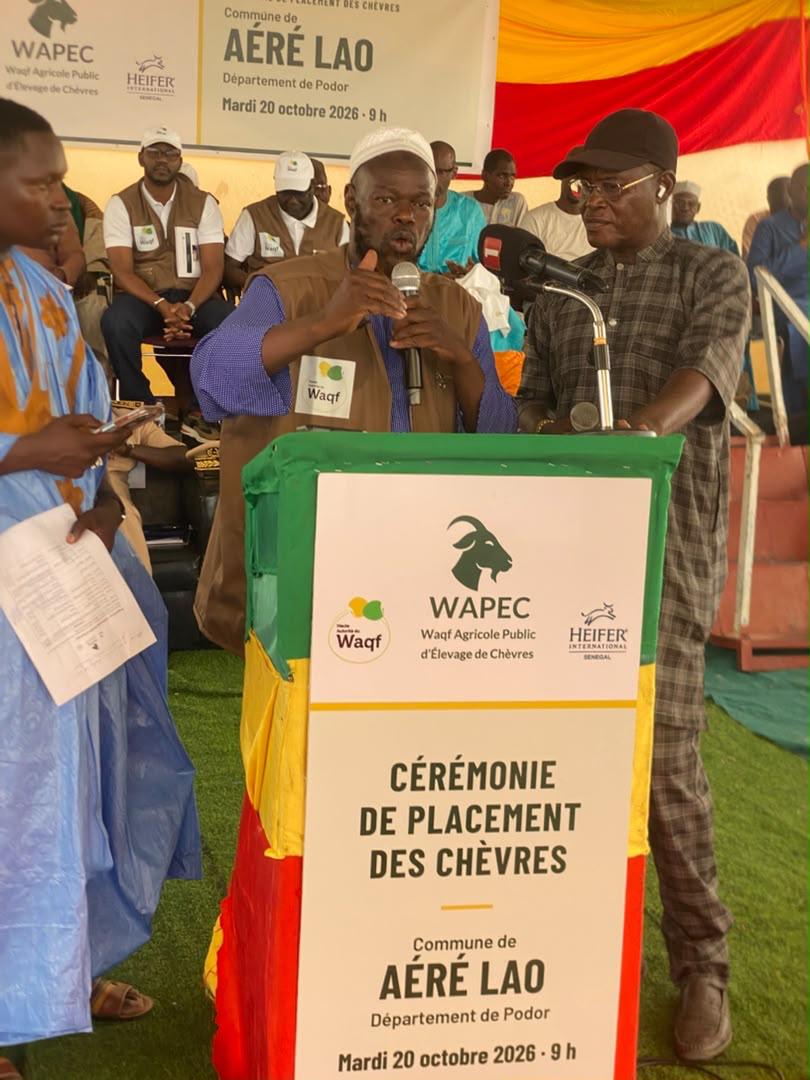
The heart of the program is the passing on of the gift. Each beneficiary family will pass on to another family the same number of animals they received, along with what they have learned. The gift does not return to the donor; it remains in the community and multiplies within it. The Director General asked the beneficiaries to take care of their herd, which also belongs to "the family that awaits you." He then expressed a wish: "In a few years, I hope to return here and find in each compound goats born to those of today, and families who have helped others. On that day, we will know that the gift has traveled." He continued his speech in Pulaar, before a very attentive audience.
The CEO also paid tribute to the technical partner. He emphasized that, apart from the project management role held by HAW, "all the work was carried out and executed from start to finish" by Heifer International Senegal, in conjunction with the administrative and territorial authorities.
A chain of solidarity
For Dr. Daouda Ndao, National Director of Heifer International Senegal, "the passing on of the gift gives this ceremony its lasting significance." He believes it creates "a chain of solidarity within the community that must never be broken." He urged the recipients to manage the goats carefully and to "keep the gift alive."
The distribution of the animals was not improvised. In the Podor department, meetings were organized in 50 villages across five communes. These meetings brought together 1,854 people, including 1,684 women. The groups received training in leadership, gender equality, governance, and best practices in livestock farming. They established their own savings and credit systems, and some are already producing soap. Local purchasing committees selected the animals at the weekly markets. The animals were then placed under health observation before being distributed to the families.
Insured goats
The day before the ceremony, the National Agricultural Insurance Company of Senegal (CNAAS) identified and tagged each animal. The yellow tag guarantees the animal's traceability and its coverage by livestock insurance for one year. "If you are insured and you lose your animal, the insurance company will reimburse you up to 80% of its value," explained Insa Sow, head of the CNAAS network for the northern region. The government subsidizes the premium by 50%, bringing it down to 4% of the animal's value. For families, this insurance protects a precious asset. It also protects the chain of inheritance: a family that loses an animal can still pass it on in turn.
Al Rahma to go further
The project has a new partner, Al Rahma Microfinance. Its representative, Mr. Cheikhou Oumar Sall, announced Sharia-compliant, interest-free financing linked to real-world activities, benefiting livestock groups. The objective is to "establish a genuine livestock value chain," from financing inputs to marketing.
Deputy Mayor Almamy Ciré Ly spoke on behalf of Mayor Mountaga Sy. He praised the project, saying it "will contribute to the empowerment of women," and urged the beneficiaries to "properly manage the passage of animals to ensure the project's continuity."
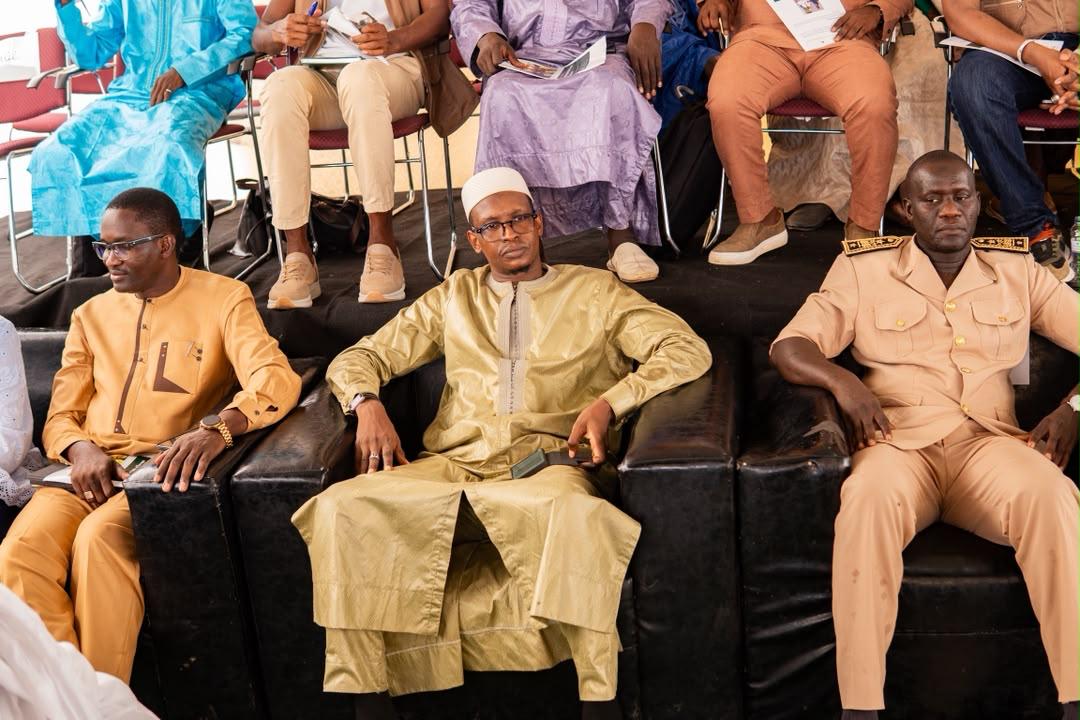
The ceremony was presided over by the Deputy Prefect of Podor, Mr. Ousmane Sidibé. He reminded the beneficiaries that "those fortunate enough to be chosen bear the heavy responsibility of properly caring for these goats and ensuring the transmission of knowledge." He expressed his hope that the project, implemented in five of the department's twenty-two municipalities, would one day benefit other communities.
The WAPEC initiative aligns with the Senegal 2050 National Transformation Agenda and the goal of food sovereignty. It also responds to the call of the Head of State, who has declared 2026 the Year of the Social and Solidarity Economy. Handovers will continue in other municipalities of Podor, and a second ceremony will take place this Thursday, October 22nd, in Missira Wadène, in the Koungheul department of the Kaffrine region.












Commentaires (4)
Soxor ak bonn si yenn la fekk bakh
Participer à la Discussion
Règles de la communauté
💡 Astuce : Utilisez des emojis depuis votre téléphone ou le module emoji ci-dessous. Cliquez sur GIF pour ajouter un GIF animé. Collez un lien X/Twitter, TikTok ou Instagram pour l'afficher automatiquement.
Se connecter
Commentez avec votre profil, votre photo, et soyez averti des réponses.