Reflux d’eaux usées à Dakar : l’ONAS explique les contraintes d’intervention et appelle à une synergie des acteurs territoriaux
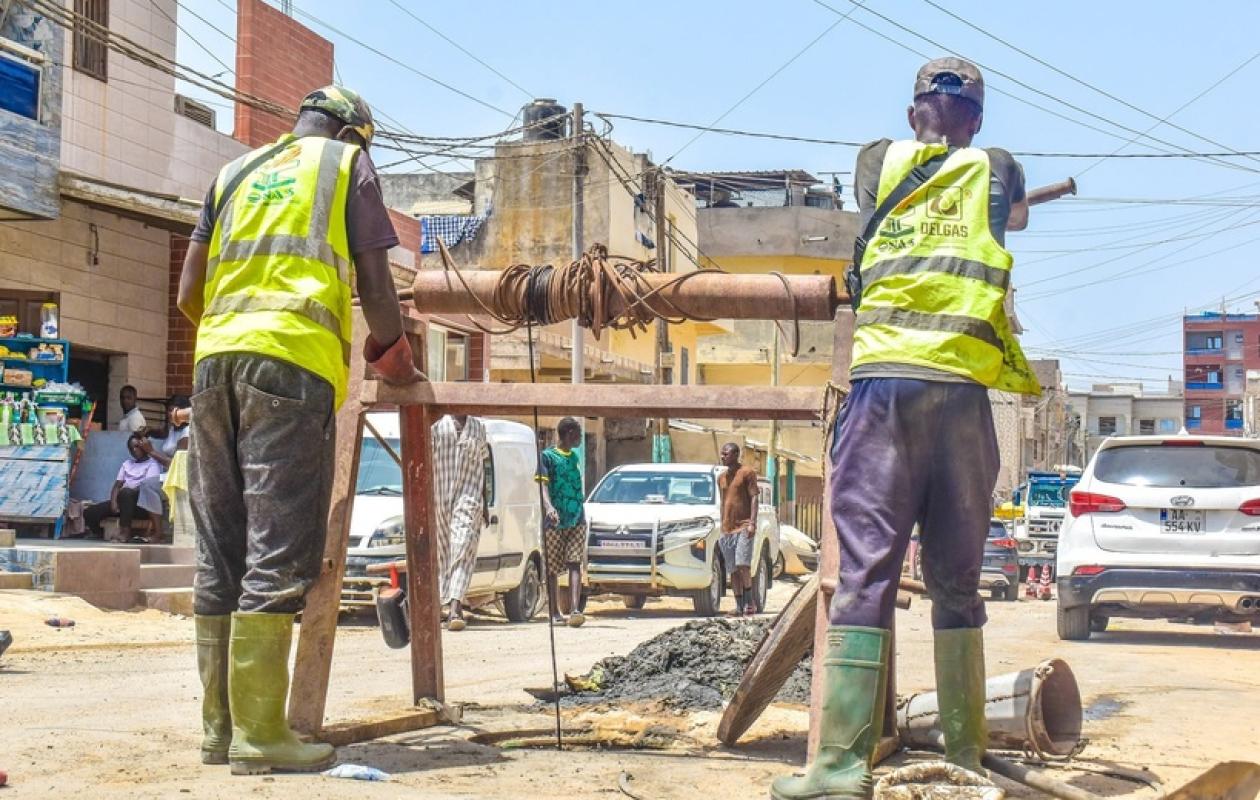
Following the heavy rains of October 4th, several neighborhoods in Dakar are experiencing a resurgence of blockages in the sewage system, causing sewage backups in some public streets. In response to this situation, the National Sanitation Office of Senegal (ONAS) wishes to clarify the causes of these malfunctions and the efforts being made to address them.
Obstructions exacerbated by heavy rains and inappropriate behavior
The increasing number of blockages is largely due to some residents opening their storm drains to facilitate rainwater runoff. This practice introduces sand, garbage, and solid waste into the pipes, causing significant blockages and making clearing them particularly complex and sometimes lengthy.
Adding to this situation is the age of part of Dakar's network, some of whose pipes date back almost 70 years. Subject to the effects of aging and increasing urbanization, these infrastructures are prone to breaks requiring urgent intervention.
ONAS reminds everyone that road openings and occasional removals of paving do not constitute deliberate damage to the road, but are essential technical necessities for the repair of pipes and the continuity of public service.
Aware of these structural constraints, OfNAS is continuing its efforts to modernize the network, particularly through the Hann-Fann collector renewal project.
Teams fully mobilized despite the constraints
Despite these difficulties, ONAS teams are continuing their efforts tirelessly to restore the functioning of the infrastructure and minimize disruption to the population. Their work has already resolved several blockages, particularly in Maristes, Pikine, Grand Yoff, and several neighborhoods of Rufisque.
ONAS commends the commitment and professionalism of its agents, who are mobilized daily in often difficult conditions, serving the population.
A call for responsibility and synergy among local stakeholders
In this context, ONAS cannot remain indifferent to the recurring challenges to its actions, especially as its teams face major technical, structural and environmental constraints.
While the concerns expressed by some local elected officials are legitimate, they would benefit from being translated more into effective consultation and joint initiatives than into public statements questioning the efforts of a fully committed public service.
ONAS reminds us that liquid sanitation, solid waste management and the preservation of the living environment are complementary responsibilities that require close coordination between the different actors.
Improving the living environment requires taking responsibility and working together in solidarity, rather than seeking exclusive responsibilities.
ONAS reaffirms its determination to continue its interventions and invites all local authorities to prioritize dialogue, consultation and pooling of efforts, in the exclusive interest of the people.




















Commentaires (7)
Il y a par exemple la canalisation défectueuse qui est derrière la station d'essence Shell de Ngor. Des eaux usées nauséabondes se déversent chaque jour sur la chaussée dans cette zone abritant les bureaux des Nations Unies, la voie d'accès aux hôtels fréquentés par des touristes, et vers l'île de Ngor.
Un petit effort permettrait de vote régler ce problème. Les riverains s'assoient devant les eaux usées avec tout ce que cela comporte de risques de maladies infectieuses.
Il faut réagir
Continuons à politiiser le management du service public.
Participer à la Discussion
Règles de la communauté
💡 Astuce : Utilisez des emojis depuis votre téléphone ou le module emoji ci-dessous. Cliquez sur GIF pour ajouter un GIF animé. Collez un lien X/Twitter, TikTok ou Instagram pour l'afficher automatiquement.
Se connecter
Commentez avec votre profil, votre photo, et soyez averti des réponses.