Régulation du secteur vétérinaire : L’APVS salue le rappel à l'ordre du gouvernement
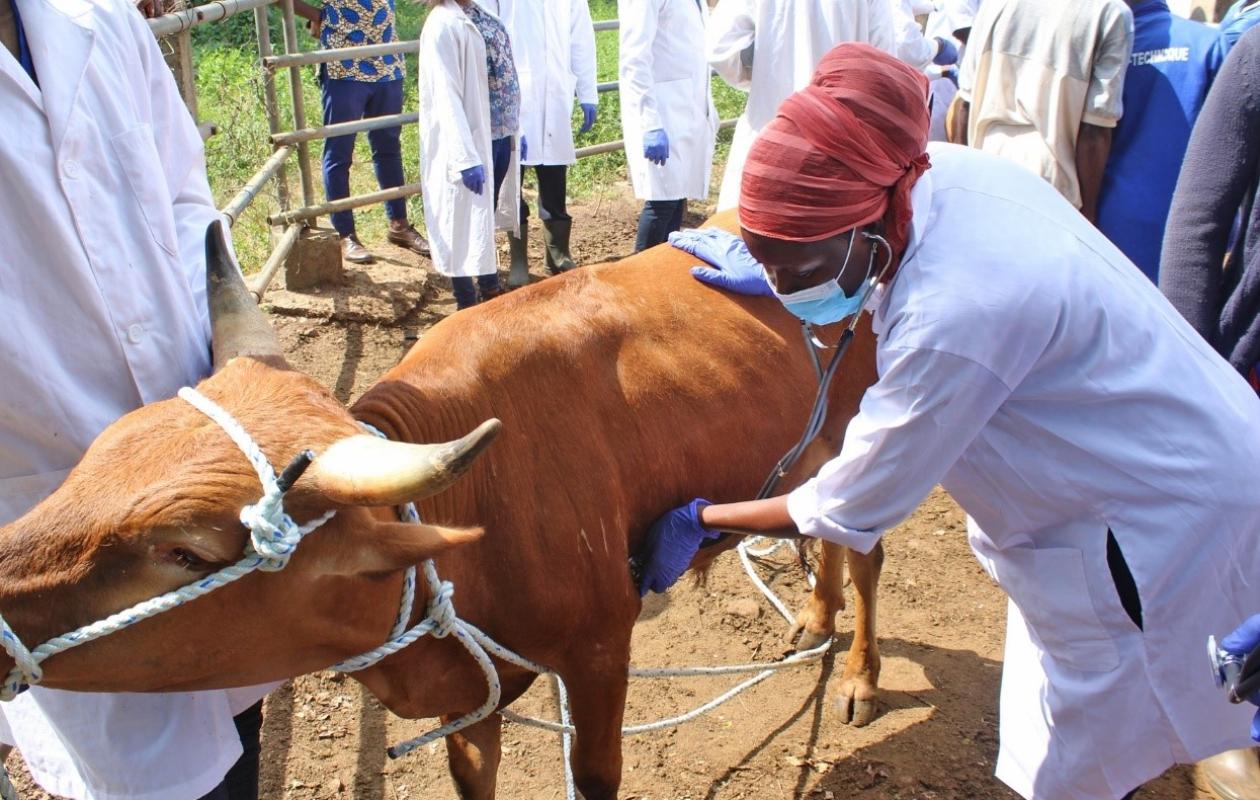
The animal health sector in Senegal is preparing to enforce its legal framework more strictly. In a press release, the Association of Veterinary Practitioners of Senegal (APVS) expressed its satisfaction following the publication of a ministerial circular reminding private livestock professionals of their obligations.
Published on September 21, 2026 by the Ministry of Agriculture, Food Sovereignty and Livestock, Circular No. 02937/MASAE/DSV reaffirms "the legal obligation to have a collaboration agreement with a veterinary doctor" for all Livestock Technical Agents and Livestock Works Engineers working in the private sector, in accordance with Law No. 2008-07 of January 24, 2008.
For the APVS, chaired by Dr. Ousseynou Diouf, this ministerial directive is a welcome decision. The association congratulates the Minister on this directive, "which reflects a clear commitment to enforcing the law."
According to the organization, this measure aims to stop certain abuses which, "due to a lack of proper technical supervision, undermine the quality of services provided to farmers, animal health and, consequently, public health."
To ensure implementation on the ground, APVS has stated its readiness to support the Directorate of Veterinary Services (DSV) and the Order of Veterinary Doctors of Senegal (ODVS) by relying on its network of member practitioners present in 46 localities across the country.
Beyond the regulatory framework, the press release aims to dispel confusion regarding the qualification levels and prerogatives of the various stakeholders. The APVS emphasizes that the hierarchy of roles established by the legislator "in no way reflects a value judgment between professionals, but is based on the training curricula specific to each professional qualification."
The Apvs reminds us that the Veterinary Doctor, with a complete medical curriculum certified by a state diploma, remains the "only one to diagnose, prescribe and operate on all animal pathologies".
The Livestock Works Engineer: Holder of a higher education focused on animal science, brings "valuable skills in advice and technical support".
The Livestock Technical Agent: A field actor, he provides "essential local support to livestock farmers, particularly in the most remote areas".
The APVS emphasizes that the regulation of acts performed by paraprofessionals under the supervision of a veterinarian "aims first and foremost to protect animal health, public health, and food safety." It compares this organization to that which prevails in other public health sectors.
In conclusion, the association calls on all stakeholders: breeders, technicians and partners, to respect this regulation, seen as the "guarantee of safe, responsible veterinary practice that respects everyone's skills", essential for the modernization of Senegalese livestock farming.




















Commentaires (0)
Participer à la Discussion
Règles de la communauté
💡 Astuce : Utilisez des emojis depuis votre téléphone ou le module emoji ci-dessous. Cliquez sur GIF pour ajouter un GIF animé. Collez un lien X/Twitter, TikTok ou Instagram pour l'afficher automatiquement.
Se connecter
Commentez avec votre profil, votre photo, et soyez averti des réponses.