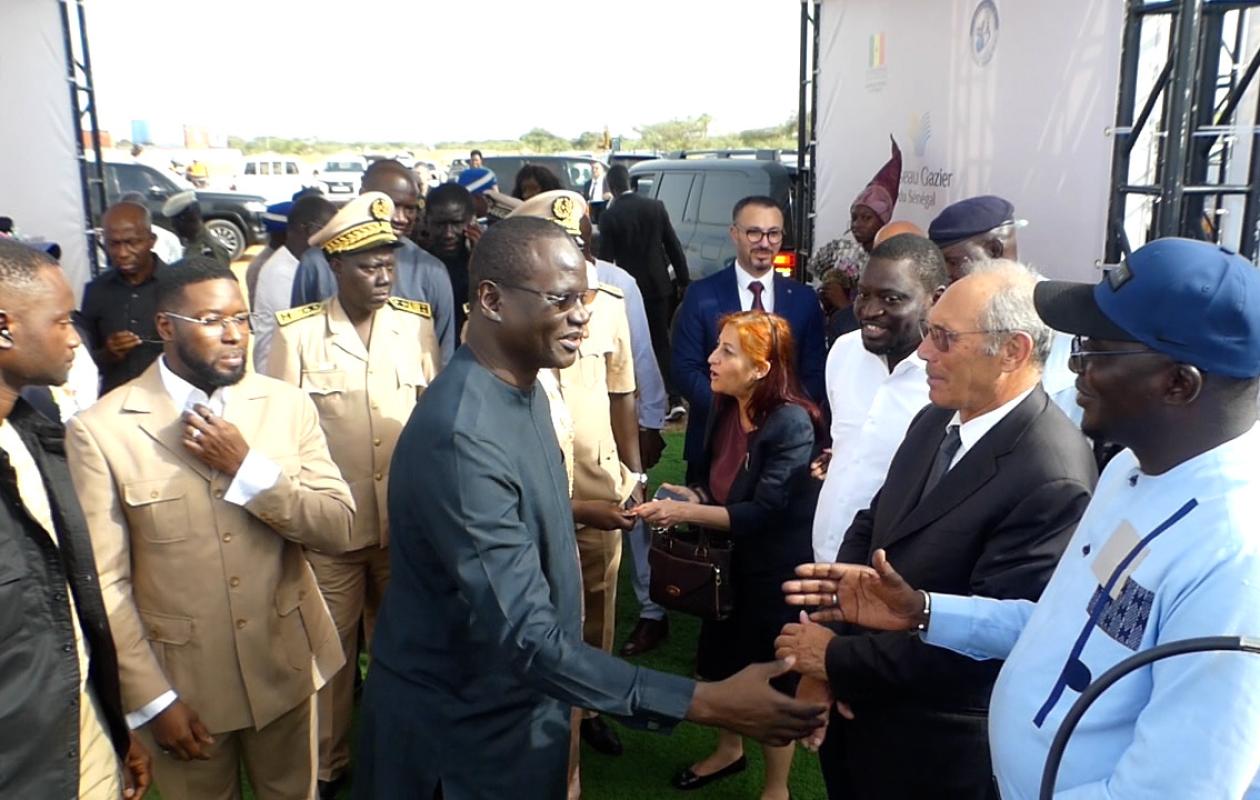
Réseau gazier du Sénégal : la première canalisation posée à Gandon
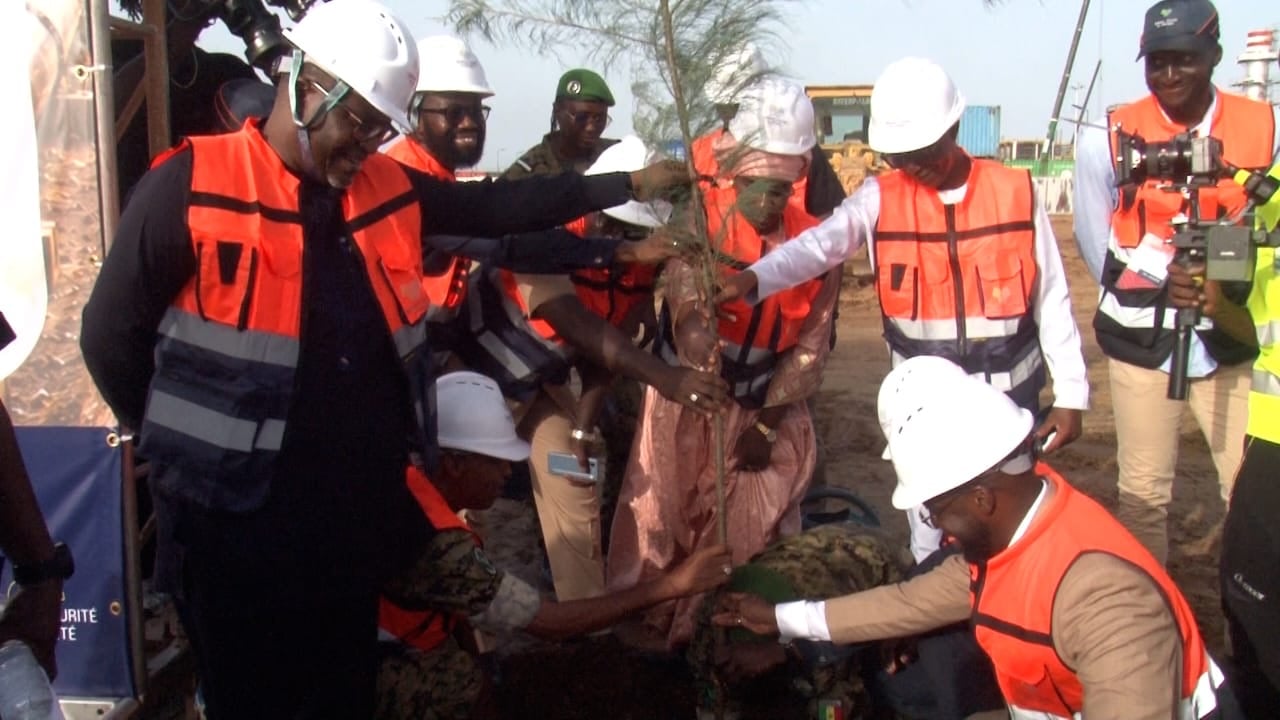
Senegal has taken another step in establishing its national natural gas transmission network. The Minister of Energy and Petroleum, Dr. Abdourahmane Diouf, presided over the laying ceremony for the first pipeline of the northern segment this Thursday in Gandon, in the department of Saint-Louis. This project was presented as a major milestone towards energy sovereignty and the country's industrial development.
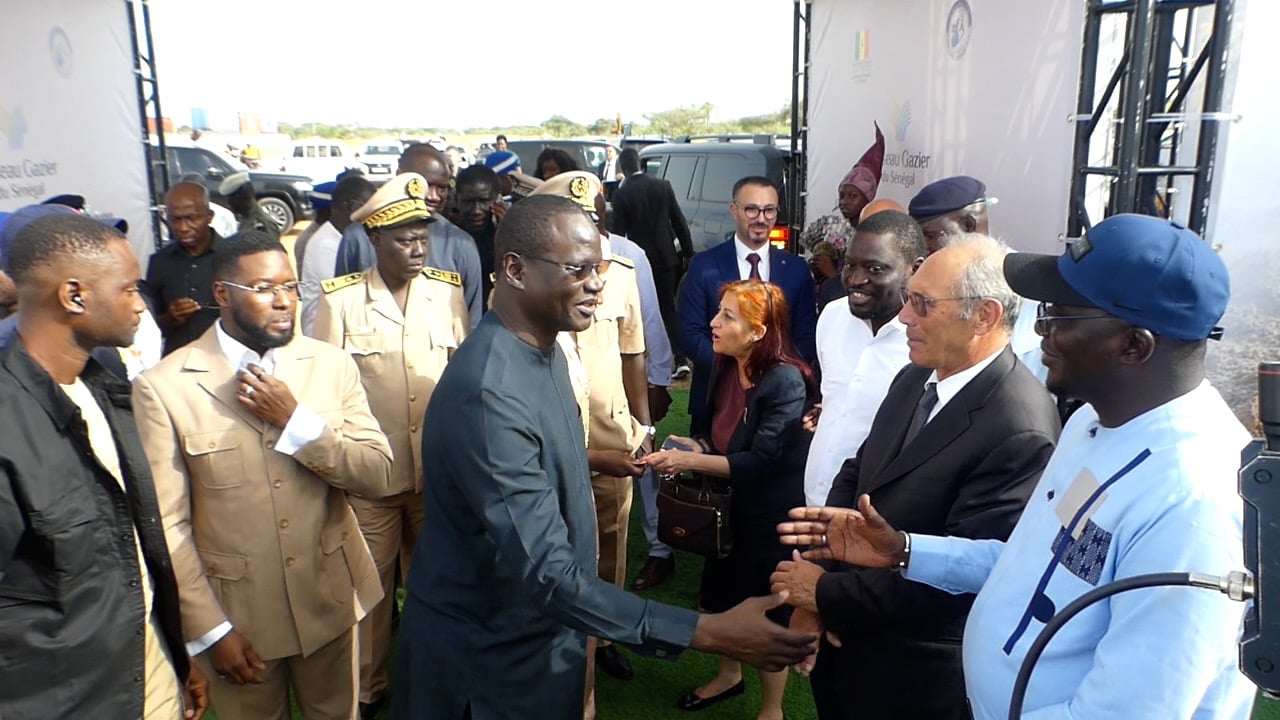
A first pipeline that marks a turning point in Senegal's energy strategy. In Gandon, in the Saint-Louis region, the government officially launched the work on the northern segment of the future national natural gas transmission network.
Presiding over the ceremony, the Minister of Energy and Petroleum, Dr. Abdourahmane Diouf, emphasized the symbolic and strategic importance of this infrastructure. "The action we are taking is simple. But its impact is considerable," he declared, adding that this project embodies Senegal's ambition to not only produce its gas, but also to control, transport, and process it for the benefit of the national economy.
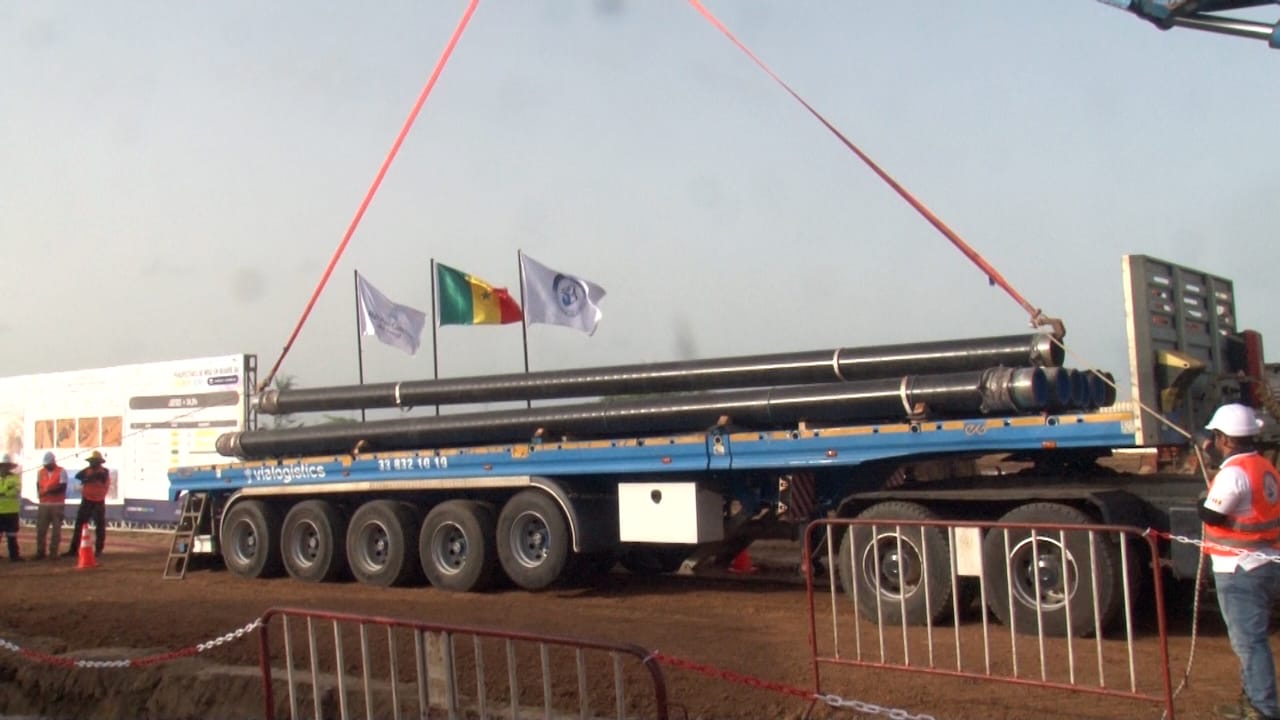
An 85-kilometer network
The northern segment constitutes the first link in the future national natural gas transmission network. Approximately 85 kilometers long, it will include land-based infrastructure and a section of pipeline designed to ensure the delivery of gas to the various consumption centers.
According to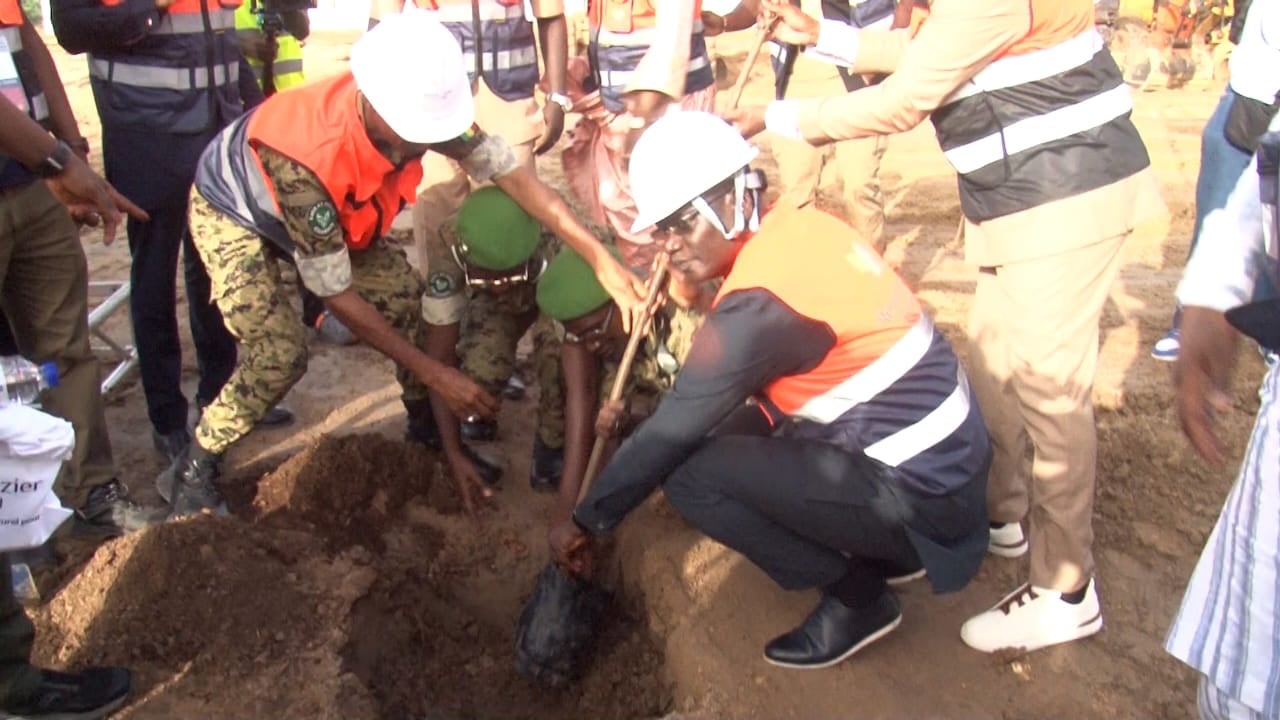 According to the data presented at the ceremony, the main axis is designed to achieve a transport capacity of 300 million cubic feet of gas per day, in order to meet the current and future needs of the Senegalese energy sector.
This infrastructure must in particular support the transformation of the electricity sector, with the ambition of gradually promoting more competitive and reliable electricity production.
Gas alone will not be enough to lower the price of electricity.
The minister, however, urged people not to consider the construction of the gas pipeline as an automatic solution to the issue of electricity costs.
“Building a gas pipeline alone is not enough to lower the price of electricity,” he warned. According to him, several factors will come into play, including the actual availability of gas, supply conditions, the cost of its transport, the performance of power plants, the quality of electrical grids, and the control of losses.
The government therefore intends to act simultaneously on the entire energy chain: gas supply, transport infrastructure, adaptation of the production fleet, strengthening of the electricity grid and necessary reforms.
The stated objective is to create, over the long term, the conditions for electricity that is "less expensive to produce, more reliable and more accessible".
Beyond electricity production, the gas network must also support industrial development. The government aims to gradually bring gas closer to industrial zones, production platforms, and businesses requiring competitive energy.
The agri-food and processing sectors are particularly affected. The goal is to enable Senegalese companies to benefit more from national energy resources, strengthen local value chains, and improve the competitiveness of Senegalese production.
The project should also open up opportunities for national companies, with an emphasis on developing local skills and know-how.
Cooperation with Mauritania highlighted
The regional dimension of the project was also highlighted. The northern segment is expected to contribute to strengthening energy connections with Mauritania, in a context marked by the exploitation of gas resources in both countries.
For the Senegalese authorities, this energy cooperation is a factor in bringing people closer together and can help create new economic opportunities for both countries.
Dr. Abdourahmane Diouf also stressed the need to respect quality and safety requirements, as well as contractual commitments related to the various energy projects.
The government also intends to give local communities a significant role in the development of energy infrastructure. The minister called for maintaining dialogue with the population and ensuring responsible management of natural resources.
This first pipeline is thus presented as much more than a simple infrastructure project. It symbolizes the authorities' desire to move from the production of resources to their transformation into added value for the national economy.
"Energy sovereignty is not just something that is planned. It is built, financed, sourced, controlled and measured," the minister stressed.
With this laying of the first pipeline in Gandon, Senegal intends to give concrete form to its gas strategy and lay the foundations for a more integrated energy system, while simultaneously pursuing the development of renewable energies and the improvement of energy efficiency.
Babacar SENE (correspondent) Saint-Louis




















Commentaires (6)
Wa Arass koukey gardé ?
Participer à la Discussion
Règles de la communauté
💡 Astuce : Utilisez des emojis depuis votre téléphone ou le module emoji ci-dessous. Cliquez sur GIF pour ajouter un GIF animé. Collez un lien X/Twitter, TikTok ou Instagram pour l'afficher automatiquement.
Se connecter
Commentez avec votre profil, votre photo, et soyez averti des réponses.