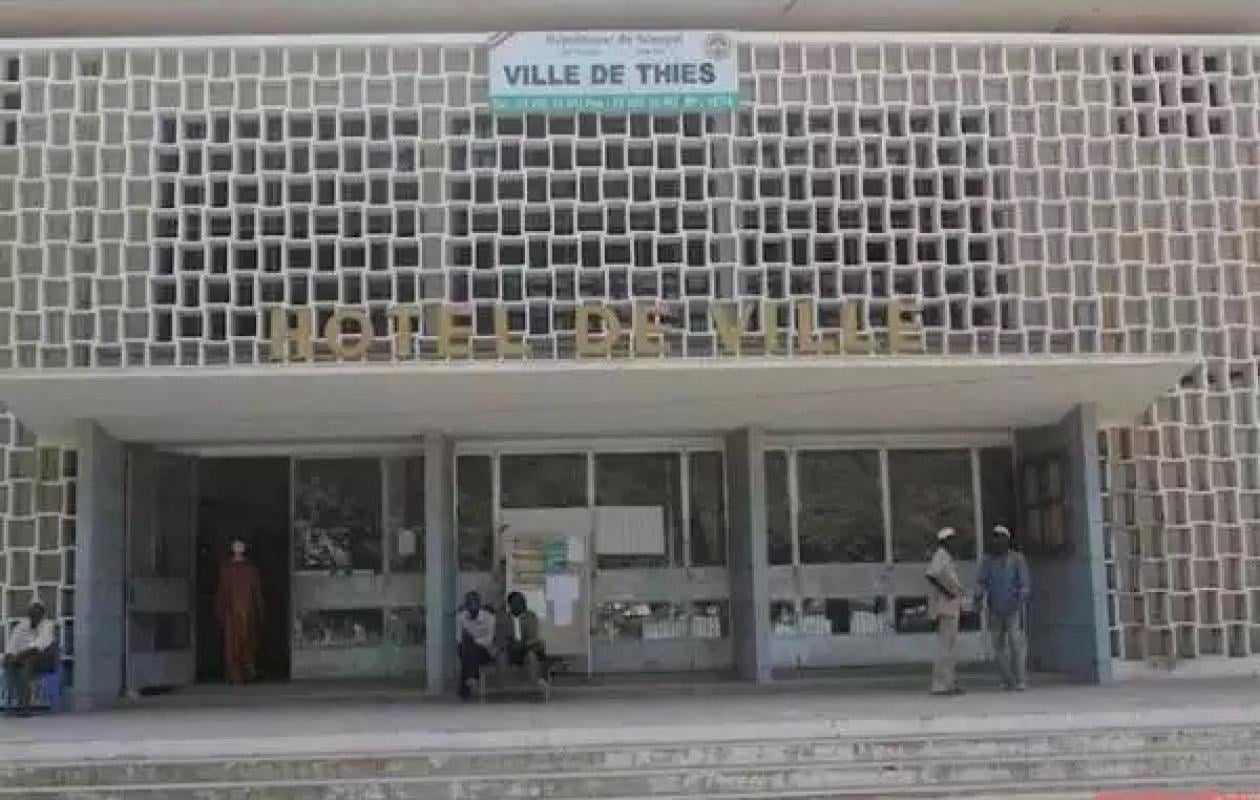
Thiès : Pourquoi un Colonel des Eaux et Forêts en veut à la Mairie
In the aftermath of the devastating storm that struck the Railway City on Thursday, August 20, 2026, Colonel Abdourahmane Samoura, a forestry engineer and landscape architect, offered a categorical assessment. According to him, the massive collapse of the city's tree canopy is not "a simple climatic inevitability," but rather the direct result of "systemic negligence" and a system of "commercial pruning" that holds citizens' lives hostage.
In a poignant public statement, the senior officer recounts the hours of anguish endured by residents during the torrential rains accompanied by powerful gusts of wind. A report from the Regional Water and Forestry Service details the sudden fall of "more than 70 trees," including mahogany and neem trees, throughout the urban area.
From the historic city center to outlying neighborhoods like Cité Ballabey, Cité Ousmane Ngom, Grand-Thiès, and Serigne Saliou Touré Avenue, large trees collapsed onto the road, crushing vehicles, cutting off Senelec's power lines, and blocking traffic. The material damage is significant: sections of walls collapsed at the Mobile Intervention Group's (GMI) Tropical Camp and at the Gendarmerie Company headquarters, while several roofs were torn off.
Faced with this chaotic scene, the Grand Officer of the National Order of the Lion firmly rejects the usual justifications. He asserts that "local authorities will plead climate change and 'force majeure,'" calling this "a convenient lie to mask a technical failure." According to the expert, "centuries-old mahogany trees don't succumb to the wind simply because of their age; they collapse because they are systematically sabotaged with chainsaws throughout the year."
The scandal of "commercial pruning"
Colonel Samoura criticizes the municipal management of tree-pruning projects, often entrusted to "makeshift loggers or unqualified opportunists." Their sole payment is based on "the valuable wood of the sacrificed tree." To maximize their profit in timber or charcoal, these workers "don't prune, they mutilate." They carry out excessive cutting, topping trees and amputating large, healthy branches, leaving unbalanced and weakened trunks.
This barbaric practice, combined with the lack of forestry monitoring, transforms these trees into veritable "urban time bombs." A sun-loving species, the African mahogany develops a slender, elongated profile in urban environments, reaching for the light. Without proper directional pruning, the crown becomes too heavy for a weakened trunk, creating a devastating mechanical leverage effect during severe weather.
To put an end to this situation, the expert recommends strict scientific regulation of urban tree pruning. He specifically advises respecting the growing season by carrying out safety pruning during the cool, dry season, between December and February, a period of sap rest that ensures optimal healing.
Colonel Samoura finally calls for "accountability and reforms in the face of timber predators" and demands "a permanent ban on timber bartering between the local authority and private loggers" so that the safety of citizens is no longer sacrificed.


















Commentaires (8)
Participer à la Discussion
Règles de la communauté
💡 Astuce : Utilisez des emojis depuis votre téléphone ou le module emoji ci-dessous. Cliquez sur GIF pour ajouter un GIF animé. Collez un lien X/Twitter, TikTok ou Instagram pour l'afficher automatiquement.
Se connecter
Commentez avec votre profil, votre photo, et soyez averti des réponses.