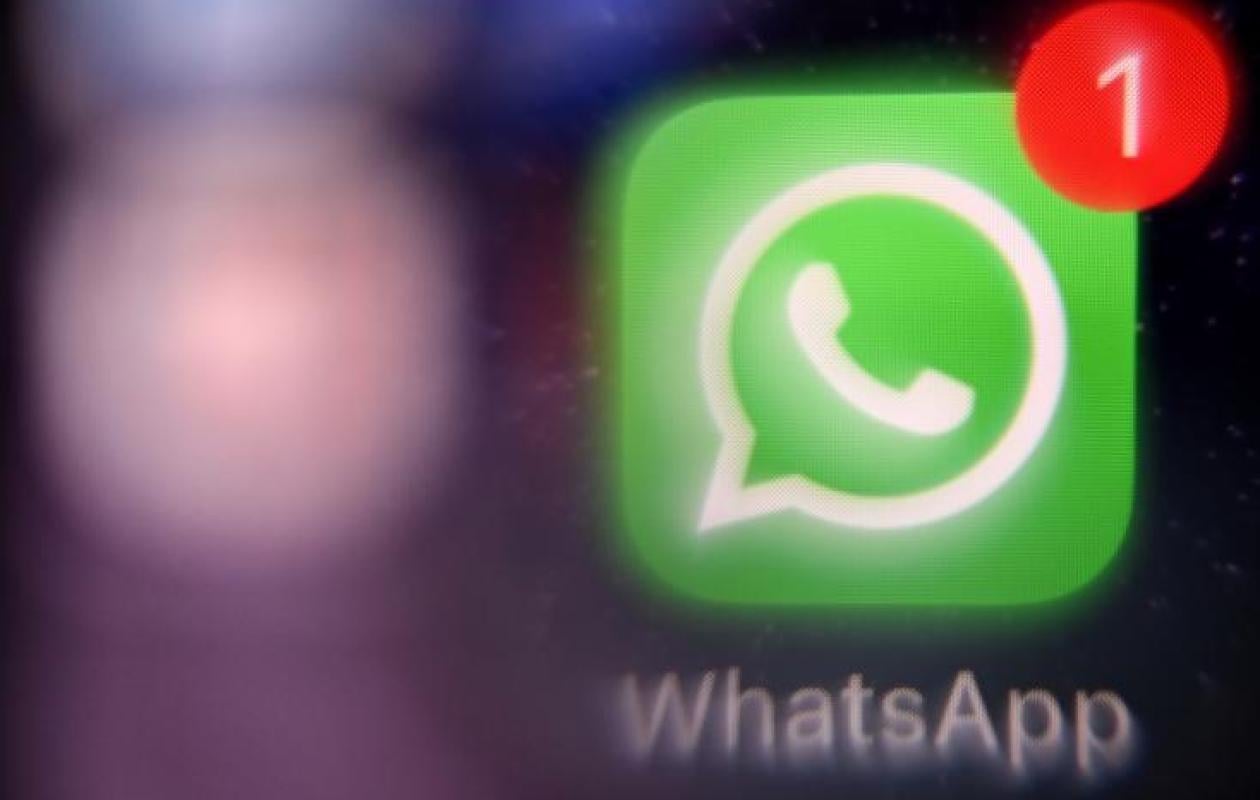
Une nouvelle vague de tentatives d'arnaques sur la messagerie Whatsapp
On Whatsapp, a new wave of viral scam attempts is spreading, with many users reporting that they have received a message urging them to vote online for someone called "Sophie" or "Eliska".
Already known, this scam method attempts to take control of Whatsapp accounts, in order to then attempt to carry out financial scams against a user's contacts.
Besides France, other countries could be affected, as cases have been reported by Spanish and Belgian media.
"Hi, I have a quick question! Sophie, my friends' daughter, needs your vote in a competition": this type of message, received by a user of the messaging service, circulates widely on the application.
Accompanied by a link, it encourages the recipient to click on a link that takes them to a voting site for a seemingly ordinary contest.
The message has many variations. While some users mention a certain Sophie, others speak of a young girl named Eliska.
The links and sites to which these requests refer also differ from one message to another.
The method is not new, and had already been detailed in September 2025 in a note from the cybersecurity company Kaspersky, but seems to be experiencing a new surge in propagation.
"It seems to have increased a lot since the weekend," Jérôme Notin, director general of Cybermalveillance, a public platform for cybersecurity assistance and prevention, told AFP.
The distinctive feature of these scam attempts is that the messages come from contacts already saved by the recipient, rather than from an unknown number. This established trust can then encourage the recipient to click on the link more easily.
Once redirected to the site, the user is asked to enter their phone number, then receives a Whatsapp notification asking them to authorize a new connection: this then allows the people behind the attempted scam to connect to the account in an online session.
Once connected, intruders can then access contacts, and propagate the initial message again, or send other messages, particularly for the purpose of financial fraud.
Speaking to AFP, one user indicated that he had been informed by several of his contacts that they had received an urgent bank transfer request from him, claiming he could not pay for a medical consultation.
"It's a dormant threat, people don't necessarily realize" that their email has been hacked, explains Mr. Notin of the Cybermalveillance platform.
In the same way that hackers can send messages from a Whatsapp account, they can then delete them, making them undetectable to the legitimate owner of the account.
When contacted by AFP, the Meta Group, parent company of the WhatsApp messaging service, did not immediately respond.
On the official Whatsapp website, the messaging service states that "if you receive a suspicious message from a contact, it may mean that their account has been compromised."
If you receive a similar message, or have any doubts, the best course of action is not to click on the link, and to inform the sender that a suspicious message has been sent from their account.
If information has nevertheless been entered on the fraudulent site, it is possible to check from the Whatsapp mobile application if other devices have been connected from a session on an online browser, and to delete them.
To enhance account security, Kaspersky also recommends enabling two-factor verification, adding an extra step to authorize new logins.
AFP




















Commentaires (0)
Participer à la Discussion
Règles de la communauté
💡 Astuce : Utilisez des emojis depuis votre téléphone ou le module emoji ci-dessous. Cliquez sur GIF pour ajouter un GIF animé. Collez un lien X/Twitter, TikTok ou Instagram pour l'afficher automatiquement.
Se connecter
Commentez avec votre profil, votre photo, et soyez averti des réponses.