Artistes, spectacle, dernier porteur de la flamme…: Tout savoir sur la cérémonie d’ouverture des JOJ Dakar 2026
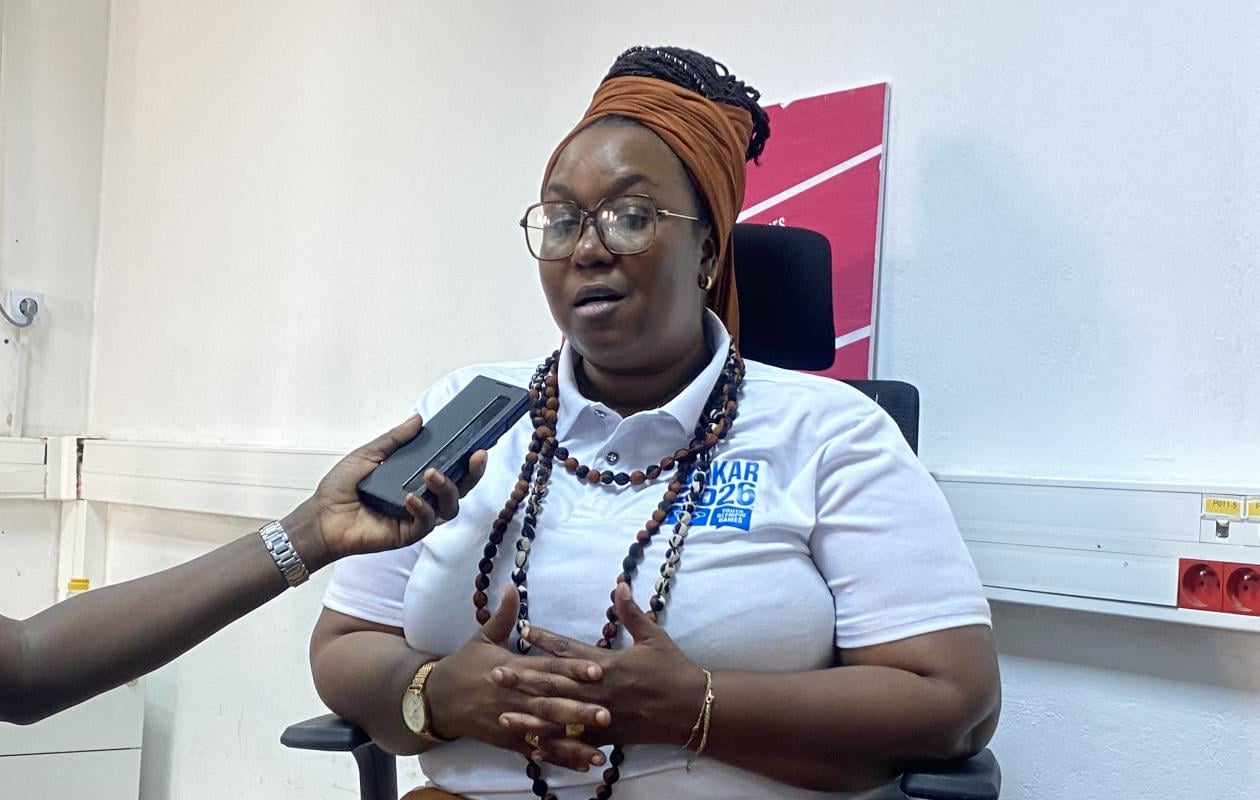
Just days before the opening ceremony of the Dakar 2026 Youth Olympic Games (YOG), Kdady Niang, Director of Ceremonies for the Organizing Committee, unveiled the main features of the show scheduled for October 31 at the Abdoulaye-Wade Stadium. Highlighting African culture, featuring over a thousand performers, and creating suspense around the final torchbearer, the organizers promise a ceremony focused on identity, inclusion, and sharing.
The countdown has begun for the opening ceremony of the Dakar 2026 Youth Olympic Games. Scheduled for October 31, from 6:30 p.m. to 8 p.m., at the Abdoulaye-Wade stadium, it aims to highlight Senegalese identity while giving an important place to African cultural diversity.
In an interview with Seneweb and other media outlets, Khady Niang, director of ceremonies for the Dakar 2026 Youth Olympic Games Organizing Committee, outlined the main features of the show. While remaining discreet about the artistic content, she assured the public that they can expect a ceremony structured around a narrative, rather than a simple series of musical performances.
“We made the decision very early on to define the artistic concept ourselves,” she explains. For the director, the goal is to allow Africans to tell their own story, according to their perspective and sensibilities.
The artistic choice is based on a clear desire to reclaim the African narrative. According to Kdady Niang, the organizing committee wanted to entrust the artistic direction to a Senegalese artist in order to give this ceremony a perspective rooted in the cultural realities of the continent.
The goal is not to summarize the entire history of Senegal in an hour and a half, but to offer an interpretation of this history, as it has been passed down by the ancestors and experienced by the younger generations.
"We want to tell the world who we are, where we come from and where we want to go," she emphasizes.
This ambition is reflected in the event's slogan: "Africa welcomes, Dakar celebrates." The ceremony aims to be Senegalese in its roots and African in its openness, with a narrative conveyed through music, dance, costumes, and set design.
Far from being a simple parade of celebrities, the organizers favor a structured story, designed to give coherence to the entire show.
To bring this vision to life, the organizing committee has launched a major artistic mobilization across Senegal. According to Kdady Niang, 625 dancers were recruited following auditions held in various regions of the country.
Including extras, actors, singers and other participants, approximately 1,100 people are expected to take part in the ceremony.
Inclusion is also among the principles emphasized by the organizers. A collaboration with Special Olympics will notably allow people with disabilities to participate in the ceremony.
For Kdady Niang, this participation should not be limited to an isolated sequence of the show. She advocates an approach in which everyone takes part in the performance on an equal footing with the other artists.
Who will have the honor of lighting the cauldron at the Dakar 2026 Youth Olympic Games? This is one of the questions that fuels curiosity around the ceremony.
On this point, Kdady Niang does not give any names. She claims to know the identity of the last torchbearer, but refuses to reveal more.
The director of ceremonies did, however, agree to give two indications: it would be a male or female athlete of Senegalese nationality.
A clue that maintains the suspense without revealing the identity of the person chosen for this symbolic moment of the opening ceremony.
On the musical front, the lineup also remains confidential. Kdady Niang does, however, confirm the presence of Senegalese and African artists, without naming them. She promises a "great artistic lineup."
The ceremony should therefore combine music, dance, costumes and visual effects in a staging designed for a national and international audience.
The preparation for the ceremony required at least a year and a half of work. The first version of the artistic concept was presented in September 2025, before subsequent validation by the President of the Republic, according to the director of ceremonies.
The project, however, faced operational difficulties. The decision to rely on local teams, some of whom had never participated in the organization of an Olympic ceremony, notably required training and supervision.
Added to this are the constraints related to organizing a show in a 55,000-seat stadium.
Khady Niang states that the ceremony was designed with cost control and optimal use of available resources in mind. She also indicates that the International Olympic Committee (IOC) praised its value for money.
Beyond the spectacle itself, the preparations also involve security and the reception of delegations. Kdady Niang indicates that the security arrangements have been in place since Dakar was awarded the Games, in collaboration with the relevant ministries.
For spectators, the director of ceremonies recommends arriving at the stadium early and encourages the use of public transportation.
Entertainment, concerts and activities are planned before the start of the official ceremony, to allow the public to wait in good conditions.
The objective is also to limit traffic difficulties around a large-capacity venue.
As the event approaches, the director of ceremonies offers reassurance. She affirms that the rehearsals, costumes, music, and set design, among other things, are ready.











Commentaires (2)
Relisez vous avant de publier !!!!
Participer à la Discussion
Règles de la communauté
💡 Astuce : Utilisez des emojis depuis votre téléphone ou le module emoji ci-dessous. Cliquez sur GIF pour ajouter un GIF animé. Collez un lien X/Twitter, TikTok ou Instagram pour l'afficher automatiquement.
Se connecter
Commentez avec votre profil, votre photo, et soyez averti des réponses.