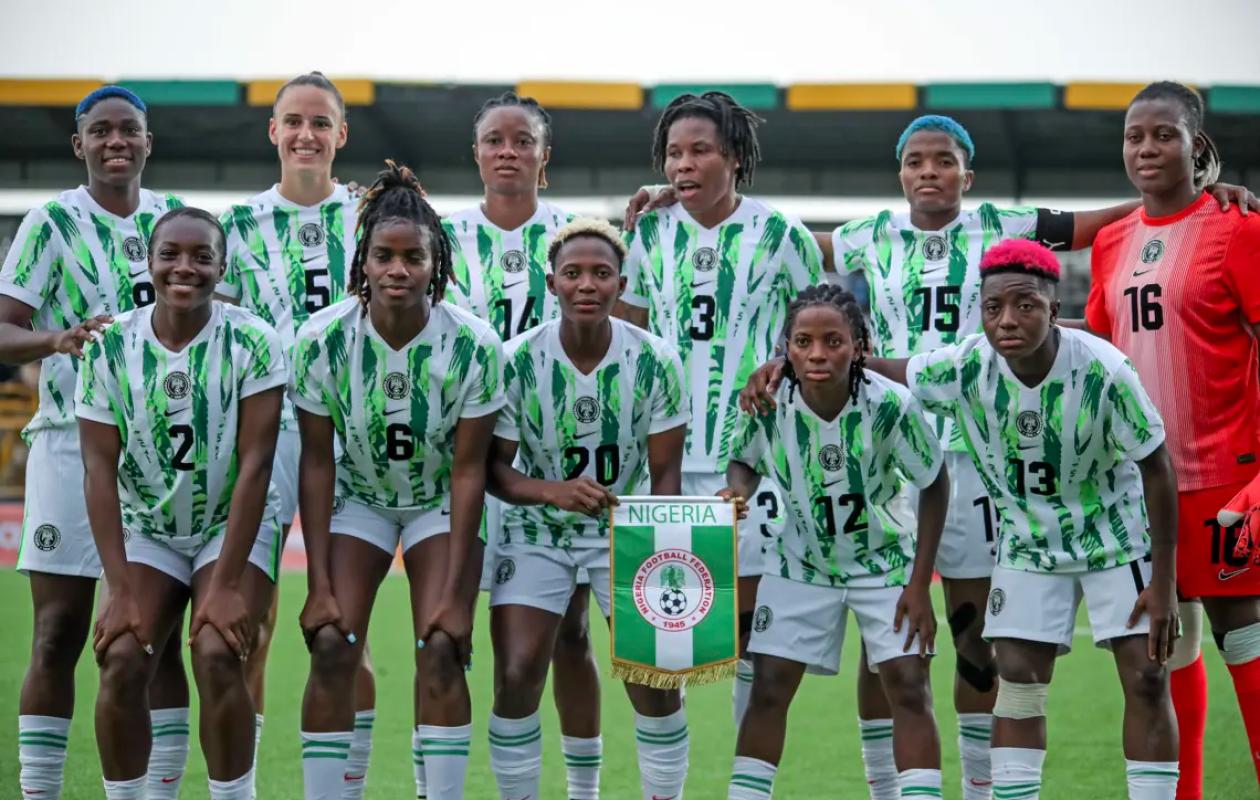
CAN Féminine 2026 : le Nigéria miné par un problème des primes impayées
As the 2026 Women's Africa Cup of Nations kicks off in Morocco, a tense atmosphere reigns within the Nigerian national team. The reigning African champions are preparing to defend their title with a major concern: the bonuses promised after their last victory have still not been paid.
Just days before their opening match against Malawi, the Super Falcons and their coaching staff are still awaiting payment of the financial incentives promised by the Nigerian authorities. According to several sources, the amounts owed range from $50,000 to over $100,000 per recipient. This delay is fueling deep discontent and disrupting the team's preparations.
Interviewed in London by journalist Ayo Olu Ibidapo, the chairman of the National Sports Commission, Shehu Dikko, attempted to allay concerns. He explained that the delays were due to administrative procedures and budgetary constraints facing the state.
Authorities maintain that the Nigerian president had approved the payment as early as August 2025. However, these expenditures, considered exceptional and not included in the initial budget, require several approvals between the Ministry of Finance and the Accountant General's office. Nearly a year after this approval, the players are still waiting for their bonuses. The government promises, however, that the funds will be transferred to the beneficiaries' accounts, either before or after the competition.
A situation that has been repeating itself for years
For the Super Falcons, this affair is reminiscent of many previous incidents. Conflicts over bonuses and salaries are unfortunately part of the history of the Nigerian national team.
In 2004, after their continental title won in South Africa, the players organized a sit-in of several days in their Johannesburg hotel in order to obtain payment of their allowances.
The scenario had repeated itself in 2016 after their victory in Cameroon. The African champions had then occupied a hotel in Abuja for almost two weeks before demonstrating in front of Parliament to demand their back pay.
Tensions also marred the 2019 Women's World Cup in France, when the players refused to leave their hotel after their elimination. Three years later, at the 2022 Africa Cup of Nations in Morocco, a training boycott disrupted preparations for the third-place match.
As Nigeria prepares to defend its continental title, this latest affair once again highlights the persistent challenges associated with managing women's football in the country. Despite being the most successful nation in Africa, Nigeria continues to see its sporting achievements overshadowed by recurring financial disputes.















Commentaires (0)
Participer à la Discussion
Règles de la communauté
💡 Astuce : Utilisez des emojis depuis votre téléphone ou le module emoji ci-dessous. Cliquez sur GIF pour ajouter un GIF animé. Collez un lien X/Twitter, TikTok ou Instagram pour l'afficher automatiquement.
Se connecter
Commentez avec votre profil, votre photo, et soyez averti des réponses.