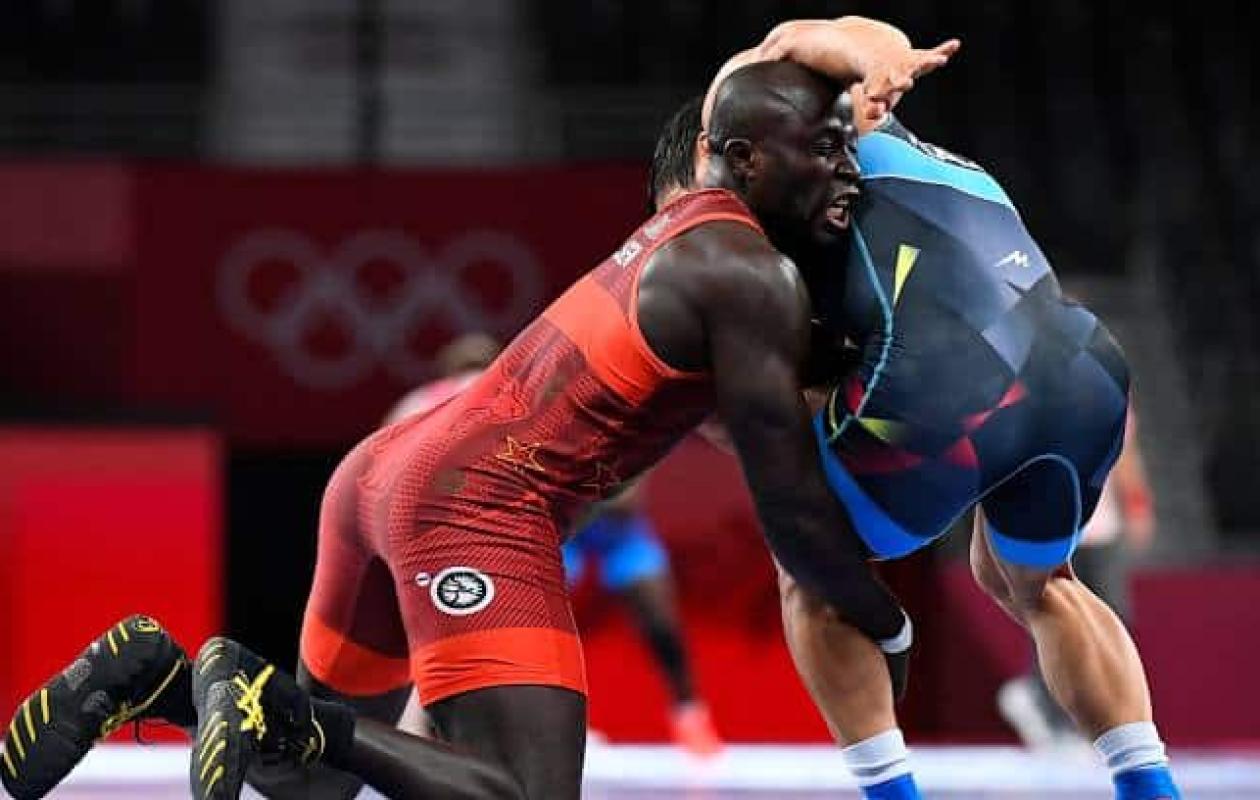
[JOJ Dakar-2026] Tradition, règles et performance : Ce qui sépare la lutte sénégalaise de la lutte olympique
In Senegal, traditional wrestling with striking holds a central place in the sporting and cultural landscape. However, despite certain technical similarities, it differs significantly from Olympic wrestling, particularly in its rules, methods of victory, and environment. With the approach of the Dakar 2026 Youth Olympic Games, the distinction between these disciplines takes on a particular dimension, given Senegal's ambitions in beach wrestling.
In Senegal, wrestling is much more than a sport. It is a popular spectacle, a cultural marker, and a world where physical performance, traditions, and collective fervor intertwine. From sand arenas to major wrestling events featuring striking, the discipline brings together thousands of enthusiasts and attracts considerable media attention.
This popularity, however, can lead to some confusion between traditional Senegalese wrestling and Olympic wrestling. While both practices rely on physical confrontation, body control, and the pursuit of an opponent's imbalance, they operate according to distinct sporting principles.
The strike, a fundamental difference
The first distinction lies in the permitted use of strikes. In Senegalese wrestling with striking, punches are allowed, in accordance with the rules applicable to the specific bouts. The rules regarding kicks and other techniques also depend on the regulations in force.
Conversely, Olympic wrestling prohibits punches and kicks. Victory is achieved through holds, throws, controls, reversals, and technical actions that score points or result in a pin.
This difference profoundly alters the athletes' training. The Senegalese wrestler practicing with striking must combine wrestling skills with distance management and anticipating blows. The Olympic wrestler, on the other hand, focuses his training on gripping techniques, combinations, and controlling the opponent.
Two environments, two systems of rules
Traditional Senegalese wrestling generally takes place in a sand arena, often circular. The fight takes place in a particular atmosphere, marked by songs, percussion, dances, bakk — these vocal and poetic performances that accompany the wrestlers — as well as by symbolic and mystical practices.
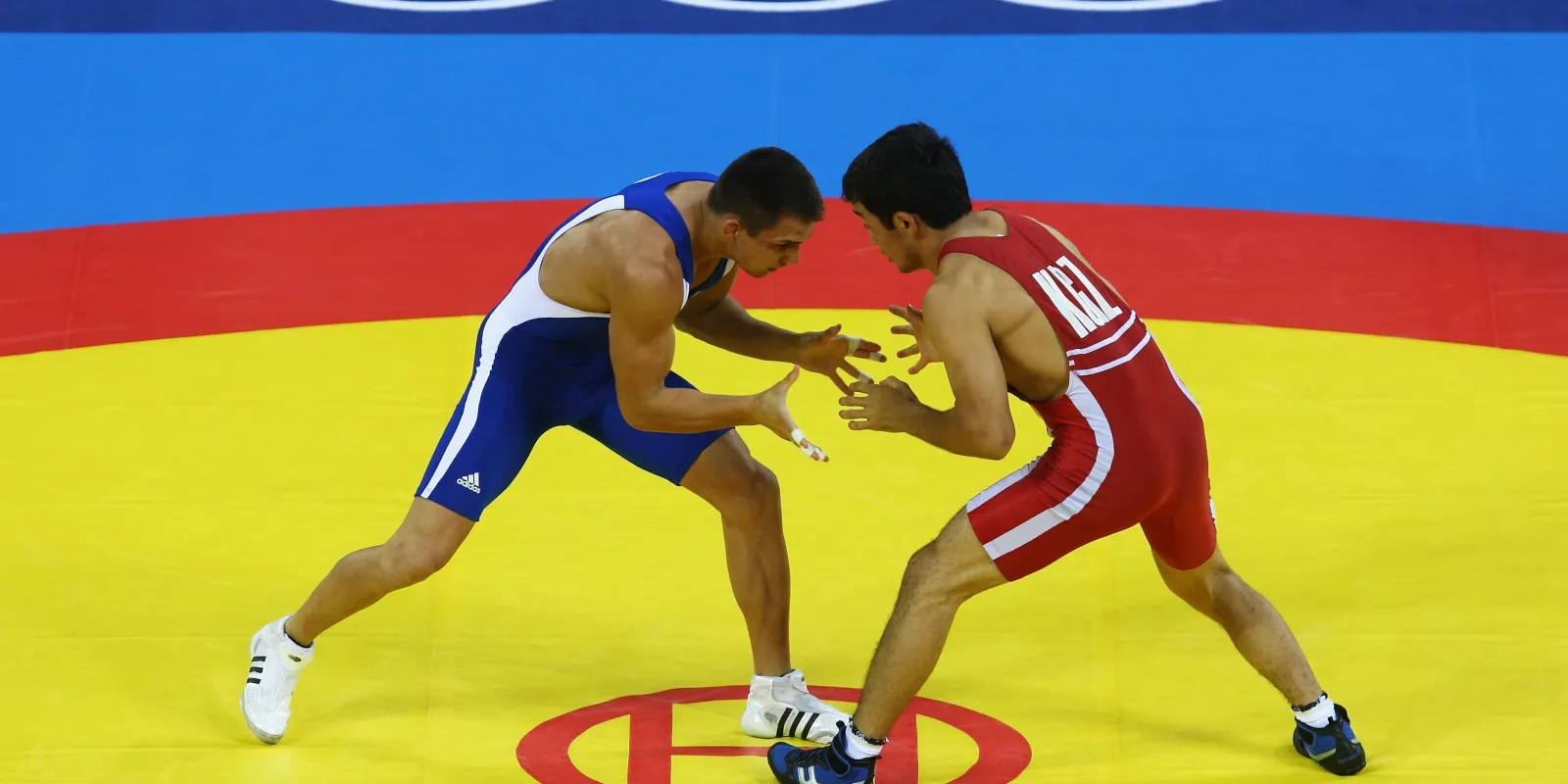
Olympic wrestling is practiced primarily on a regulation mat, in a venue specifically designed for competitions. It comprises two main styles: freestyle wrestling, in which attacks can target the legs, and Greco-Roman wrestling, which prohibits holds below the belt and the use of the legs to execute certain offensive actions.
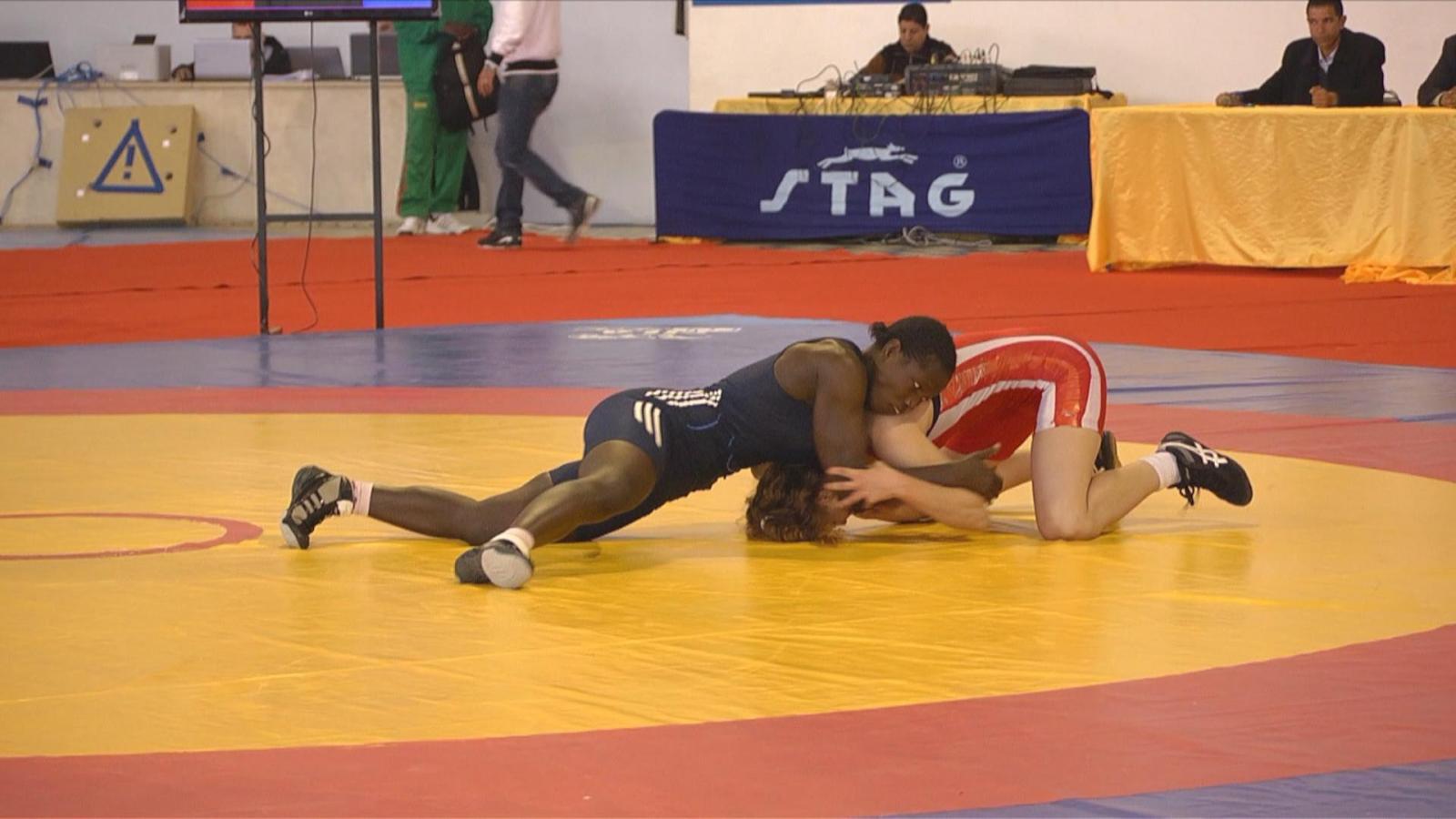
The criteria for victory also differ. In Senegalese wrestling, the fall is decisive, according to the criteria stipulated by the applicable rules. In Olympic wrestling, an athlete can win through technical superiority, by accumulation of points, or by pinfall, when both of their opponent's shoulder blades are controlled on the mat under the prescribed conditions.
Thus, even though both disciplines value strength, balance, endurance and tactical intelligence, they cannot be confused from a regulatory point of view.
Beach wrestling, a bridge between tradition and international competition
Between these two worlds, beach wrestling, included in the Dakar 2026 Youth Olympic Games (YOG), occupies a special place. Practiced on sand and organized according to international rules, it represents a path to development for countries where traditional forms of wrestling remain deeply rooted in popular culture.
For Senegal, this discipline represents an opportunity to transform national expertise into performances on the international stage. However, it should not be confused with wrestling with striking. Beach wrestling has its own rules and does not allow punches or kicks.
It is also important to distinguish between the presence of beach wrestling in international competitions and its Olympic status. Freestyle and Greco-Roman wrestling are the historical styles of the Olympic program, while beach wrestling operates within a separate competitive framework. Its presence in certain international events, particularly those aimed at youth, does not automatically mean that it will be included in the program of every edition of the Olympic Games.













Commentaires (4)
lutte olympique : épreuve d'intelligence, tactique, réglementée, sans gris gris ni folie.
Participer à la Discussion
Règles de la communauté
💡 Astuce : Utilisez des emojis depuis votre téléphone ou le module emoji ci-dessous. Cliquez sur GIF pour ajouter un GIF animé. Collez un lien X/Twitter, TikTok ou Instagram pour l'afficher automatiquement.
Se connecter
Commentez avec votre profil, votre photo, et soyez averti des réponses.