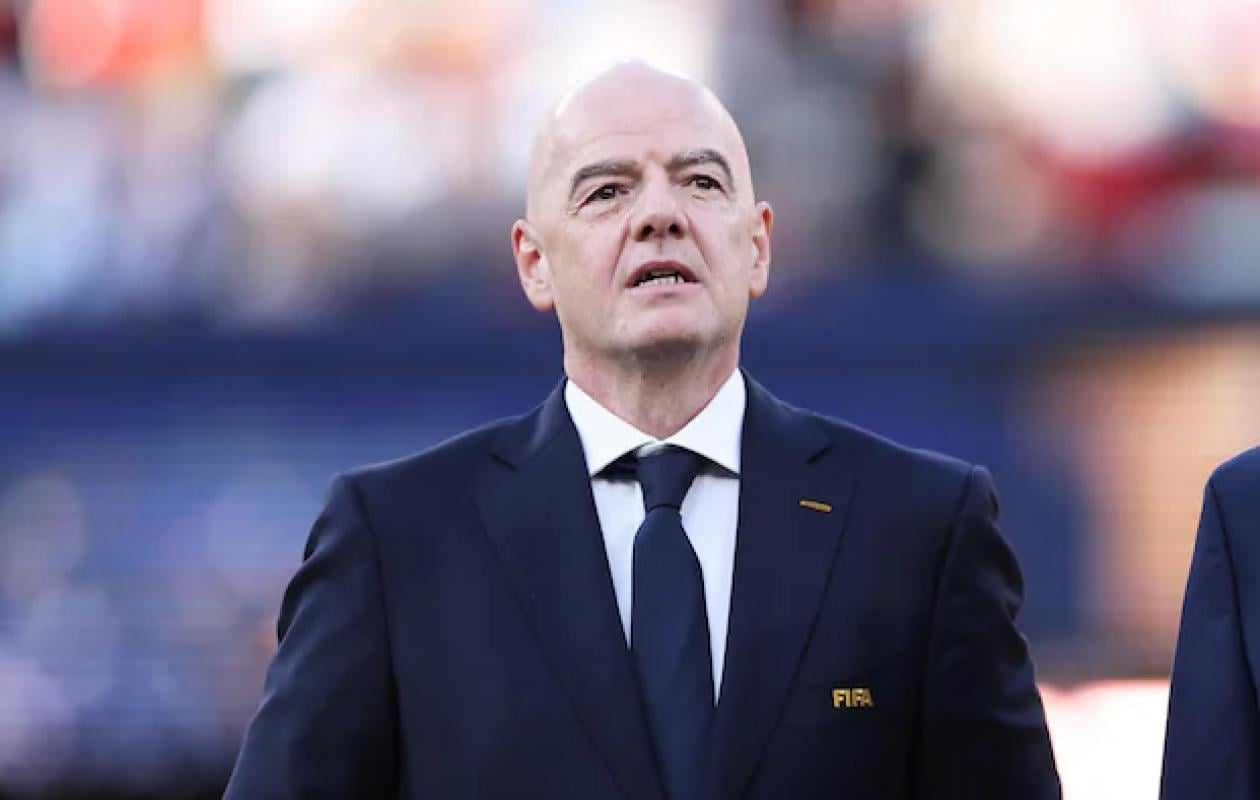
Projet controversé de la FIFA : Quand le football dit non à l’argent
Gianni Infantino's plan to open certain FIFA commercial activities to private investors has ultimately failed. Faced with strong opposition from several key players in world football, particularly UEFA, the president of the international football governing body was forced to back down. This political setback raises questions about his authority and the future of his financial strategy.
FIFA President Gianni Infantino has just suffered one of the most resounding setbacks of his tenure. Just days after unveiling a plan to open up some of the commercial activities related to FIFA's major competitions to private investors, the Italian-Swiss leader ultimately decided to back down in the face of widespread public outcry.
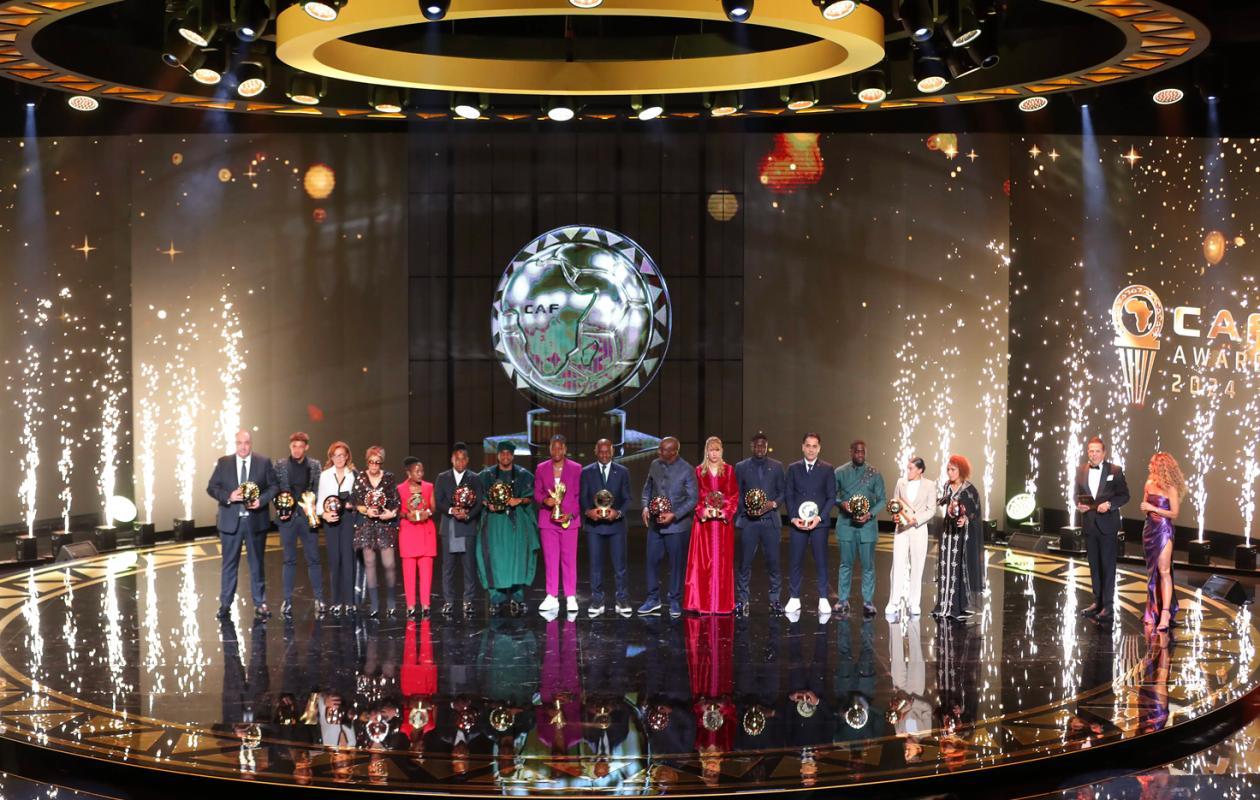
The project, presented as a way to free up more resources to finance the development of football worldwide, focused in particular on the commercial revenues associated with major competitions like the World Cup. FIFA championed the idea of creating a new commercial structure capable of attracting private capital and generating additional resources for football development.
But this initiative quickly provoked a real backlash. Several major players in world football expressed their opposition, fearing in particular an excessive commercialization of competitions and a dangerous evolution in the governance of international football.
UEFA, in particular, has been especially vocal in its opposition. The European confederation has even gone so far as to suggest a boycott of FIFA competitions if the project is maintained. This threat has considerably increased the pressure on Infantino and his team.
Infantino forced to back down
Faced with this growing opposition, Gianni Infantino finally announced the abandonment of the project. The FIFA president explained that after listening to the various positions expressed, it had become clear that the initiative had created divisions incompatible with its initial objective.
This withdrawal represents a serious setback for the head of world football. Just a few days earlier, Infantino had strongly defended the need for FIFA to further exploit its commercial potential in order to increase investment in football development. After the 2026 World Cup, the world governing body estimated its revenues for the 2023-2026 cycle at over $15 billion.
Infantino's stated ambition was clear: to use FIFA's economic power more effectively to fund infrastructure, competitions, training, and women's football in different regions of the world. But this time, the FIFA president encountered opposition he was unable to overcome.
A challenge that weakens his authority
This latest episode comes at an already delicate time for Gianni Infantino. For several years, his governance style and his relationships with several powerful political leaders have fueled criticism. His public stances and his apparent closeness to certain political figures, notably Vladimir Putin and Donald Trump, have regularly raised questions about the boundary between football, diplomacy, and politics.
For his critics, the desire to further transform FIFA's major competitions into commercial assets represented a red line. The reaction from the confederations showed that, despite his immense power at the head of the organization, Infantino could not impose all his policies without taking into account the internal balance of world football.
The standoff was ultimately short-lived, but its symbolism is powerful. On one side, FIFA wants to increase its revenue and attract more capital. On the other, confederations and football stakeholders refuse to allow major international competitions to be further subjected to the dictates of private investors.
By threatening to boycott certain FIFA competitions, several confederations demonstrated that they still wielded significant leverage. Faced with this united front of protest, Infantino preferred to withdraw his proposal rather than risk an open crisis at the highest levels of world football. In this standoff, football has, for the time being, prevailed over financial considerations.
But beyond the abandonment of the project, one question remains: what will be the political price of this retreat for Gianni Infantino?
The FIFA president must now rebuild trust with the various confederations and demonstrate that his ambition to develop the financial resources of the body can be reconciled with the sporting and institutional interests of world football.
His future as head of FIFA is not automatically compromised, however. Infantino has already announced his intention to run for another term in 2027 and claims to have the support of more than 200 member associations.
But this crisis undoubtedly serves as a warning. For the first time in a long time, an initiative personally championed by the FIFA president has met with enough resistance to force him to back down.
A political defeat for Infantino, but also a reminder: in world football, money can carry a lot of weight, but it is not always enough to impose its will.










Commentaires (1)
Participer à la Discussion
Règles de la communauté
💡 Astuce : Utilisez des emojis depuis votre téléphone ou le module emoji ci-dessous. Cliquez sur GIF pour ajouter un GIF animé. Collez un lien X/Twitter, TikTok ou Instagram pour l'afficher automatiquement.
Se connecter
Commentez avec votre profil, votre photo, et soyez averti des réponses.