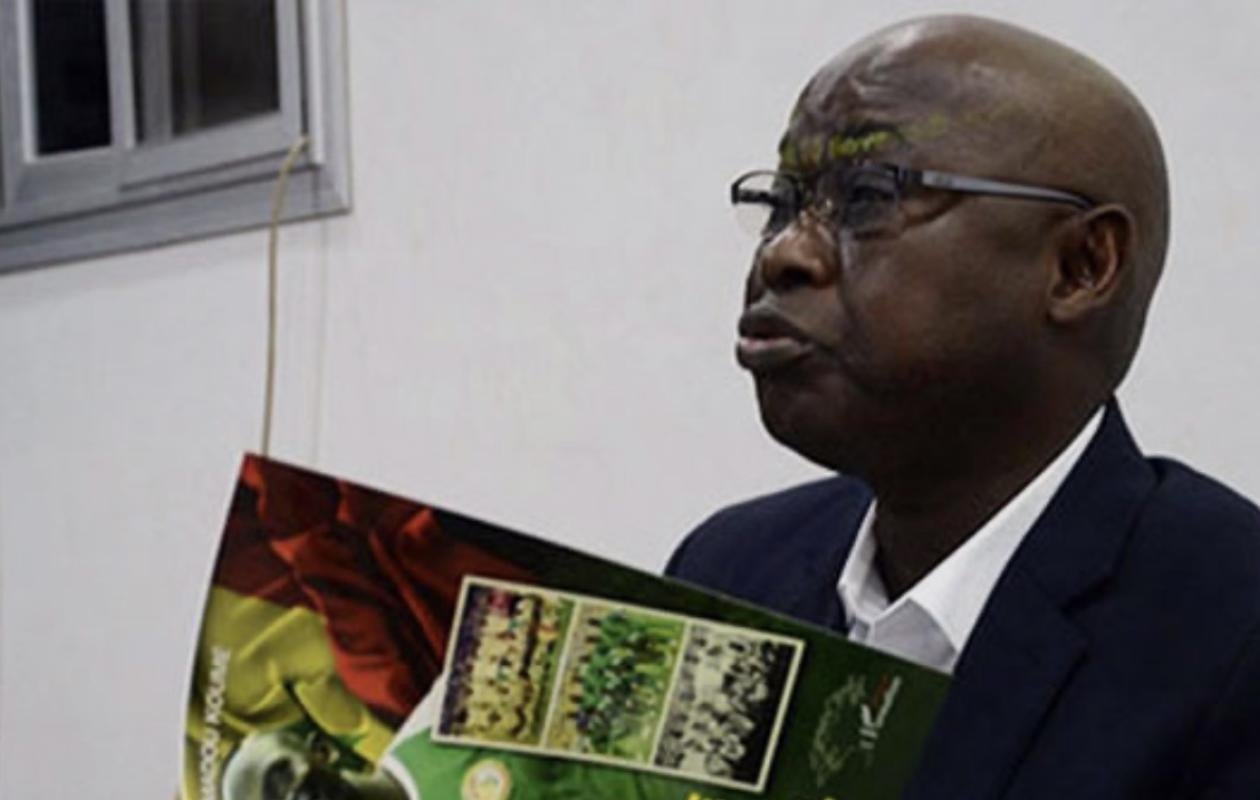
Séoul 1988 : Pourquoi Mamadou Diagna Ndiaye estime que le livre de Mamadou Koumé sur Dia Bâ « répare une injustice »
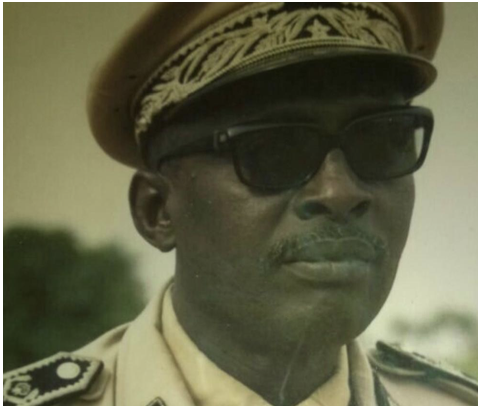
The Senegalese sporting community and the Olympic movement gathered this Saturday, October 24, 2026, at the Pullman Hotel to celebrate a legendary figure in African athletics. Through the book launch of the work dedicated to Amadou Dia Bâ—written by journalist Mamadou Koumé, in collaboration with Cheikh Tidiane Fall, Abdoulaye Dabo, and Khalifa Ndiaye, and published by Éditions Sportives Africaines—sporting figures relived one of the greatest achievements in the country's history.
Sponsor of the event, the president of the Organising Committee of the Youth Olympic Games (COJOJ) and of the CNOSS, Mamadou Diagna Ndiaye, hailed the unforgettable memory of September 28, 1988 in Seoul, where El Hadj Amadou Dia Bâ won the silver medal in the 400 metres hurdles in 47 seconds and 23 hundredths.
“If we are here tonight, it is for a medal that is 38 years old. And that hasn’t aged a day,” Mamadou Diagna Ndiaye emphasized from the outset. Addressing an audience of former officials, athletes, and enthusiasts, he reiterated the unique nature of this achievement: “The only one. The only Olympic medal in the history of Senegal. In 60 years of participation, from Tokyo 1964 to Paris 2024. Can you believe it? Just one. And it’s his.”
" The Teranga of the track" and a lesson in dignity
Recalling the exceptional journey of the boy from Koungheul who became a Pikine native, the head of Senegalese Olympic sport retraced the years of sacrifice of the athlete, from training at the Demba Diop Stadium with spikes full of holes to his three consecutive Olympic finals in Los Angeles (1984), Seoul (1988) and Barcelona (1992).
For Mamadou Diagna Ndiaye, Amadou Dia Bâ embodies far more than a sporting achievement. “Dia Bâ represents respect. Never a raised voice. He ran, he won, he went home. That’s what I call the Teranga of the track. Elegance,” he stated, before emphasizing the moral significance of this quest: “Dia Bâ taught us one thing: you can come from a small country and look the big guys in the eye. In 1988, Senegal had no tartan track. No mental coach. No Olympic bonus. They had a man. Who believed it was possible. And who did it.”
He also urged young athletes to take inspiration from this example: “I often tell the young people at the Dakar 2026 Learning Academy: you want to understand the Games? Don’t go on Google. Watch Dia Bâ’s race. In 47 seconds, you’ll understand everything. The effort, the fear, the overcoming, the dignity in defeat that becomes victory.”
An injustice rectified before Dakar 2026
Warmly congratulating Mamadou Koumé and the collective of authors, the president of the COJOJ emphasized the duty of remembrance fulfilled by this book for the benefit of younger generations. "This book, dear authors, thank you for writing it. Because our children no longer know who Dia Bâ is. They know Sadio Mané, but they don't know El Hadj. You have just rectified an injustice," he asserted.
This publication is all the more timely as it comes just one week before the historic opening of the Dakar 2026 Youth Olympic Games. "In one week, we will welcome the world to the Youth Olympic Games. 2,700 young people will run on the track where Dia Bâ ran. It's come full circle. The man from Seoul will welcome the children of Dakar. It's magnificent," concluded Mamadou Diagna Ndiaye in a heartfelt tribute to the legend of Senegalese athletics.












Commentaires (4)
Entre 1984 et 1988 :
- En France, il résidait et participait aux compétitions européennes.
- Aux États-Unis, il passait notamment ses hivers à s'entraîner avec des athlètes de haut niveau, dont le Nigérian Innocent Egbunike et l'Ivoirien Gabriel Tiacoh.
- Il a notamment été entraîné par Fernand Hurtebis, après avoir travaillé avec Jean Gomis.
Dans une interview, il explique avoir choisi de partir aux États-Unis pour mieux préparer les JO de 1988, après sa cinquième place à Los Angeles en 1984.
Participer à la Discussion
Règles de la communauté
💡 Astuce : Utilisez des emojis depuis votre téléphone ou le module emoji ci-dessous. Cliquez sur GIF pour ajouter un GIF animé. Collez un lien X/Twitter, TikTok ou Instagram pour l'afficher automatiquement.
Se connecter
Commentez avec votre profil, votre photo, et soyez averti des réponses.