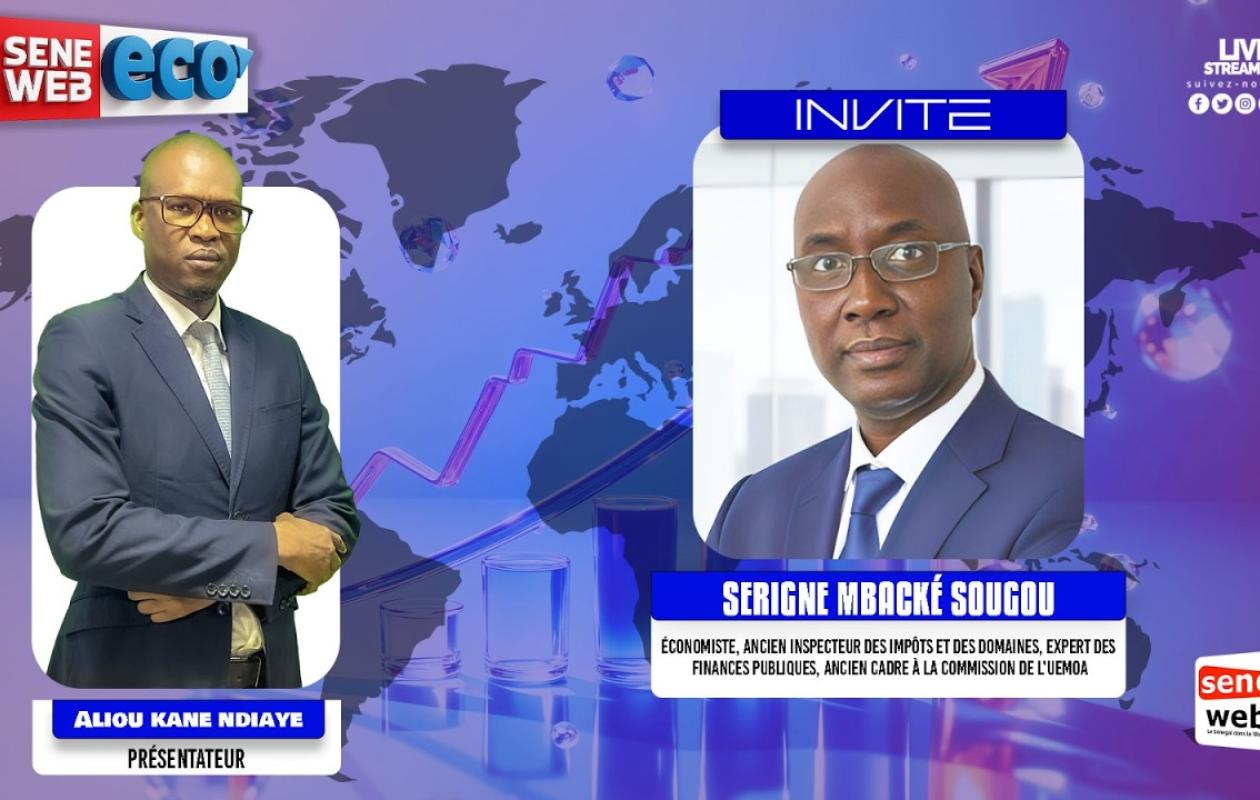
Immobilier, numérique, informel : Ces gisements fiscaux encore peu exploités au Sénégal
Real estate, digital technology, and the formalization of the informal sector are currently the main untapped tax opportunities in Senegal. This is the opinion of tax expert Serigne Mbacké Sougou, a guest on the Seneweb Eco program this Sunday, June 14, 2026. The public finance specialist believes that these sectors offer significant room for maneuver to increase revenue without increasing the tax burden on identified taxpayers.
According to him, the real estate sector is among the areas where tax potential remains largely untapped. "I think there is a lot to be done in the real estate sector," he says.
According to the economist, the real estate market boom of recent years has not translated into a corresponding increase in public revenue. "The real estate boom hasn't been reflected in revenue. People aren't paying taxes, and there haven't been many tax returns," he points out. He explains this situation by the complexity of certain tax regulations and the difficulties the administration faces in identifying all the taxpayers concerned. "Today, the technology is advanced. We need a unique identifier," he argues, believing that such a system would allow for better identification of property owners, property valuations, and monitoring of rental income.
Beyond real estate, Serigne Mbacké Sougou identifies digital technology as another major lever for revenue mobilization. While Senegal has already introduced taxation on certain digital services through VAT, he believes this approach remains insufficient. "Digital technology represents a significant revenue stream that should be explored," he states. For this economist, digital taxation must be approached holistically. "We need to go further, to have a comprehensive tax on digital services, not just VAT but also corporate tax," he explains. The development of electronic transactions and digital financial services, he believes, represents an opportunity to broaden the tax base while improving the traceability of economic activities.
Speaking about the informal sector, the former head of the West African Economic and Monetary Union (UEMOA) proposes the implementation of a unique identifier for all citizens and businesses. Inspired in particular by the Estonian model, this system would link the various administrative databases and improve the monitoring of economic activities. "If we had a unique identifier system where all residents are identified by their phone number and other data, we could easily tax everyone," he argues. According to him, this tool would also facilitate citizens' access to public services, financing, and various administrative procedures.
Noting that "97% of businesses created operate in the informal sector," Serigne Mbacké Sougou considers it unacceptable that they contribute only marginally to tax revenue. He believes that a unique identifier would be a crucial tool for gradually integrating these businesses into the formal economy.
Furthermore, the public finance specialist believes that taxing the informal sector cannot be approached solely from a coercive perspective. "Personally, I don't really like to talk about the informal sector, but rather informal activities," he explains. He believes that the stakeholders involved must see tangible benefits from formalizing their businesses. "We need to change the paradigm," he insists. According to him, informal businesses should have greater access to public services, bank financing, and public procurement. "These businesses should be considered as businesses entitled to all the public services provided by the state," he asserts.













Commentaires (2)
Participer à la Discussion
Règles de la communauté :
💡 Astuce : Utilisez des emojis depuis votre téléphone ou le module emoji ci-dessous. Cliquez sur GIF pour ajouter un GIF animé. Collez un lien X/Twitter, TikTok ou Instagram pour l'afficher automatiquement.