Pluviométrie record et plan à 921 milliards : Tout savoir sur les annonces du ministre Cheikh Tidiane Dièye
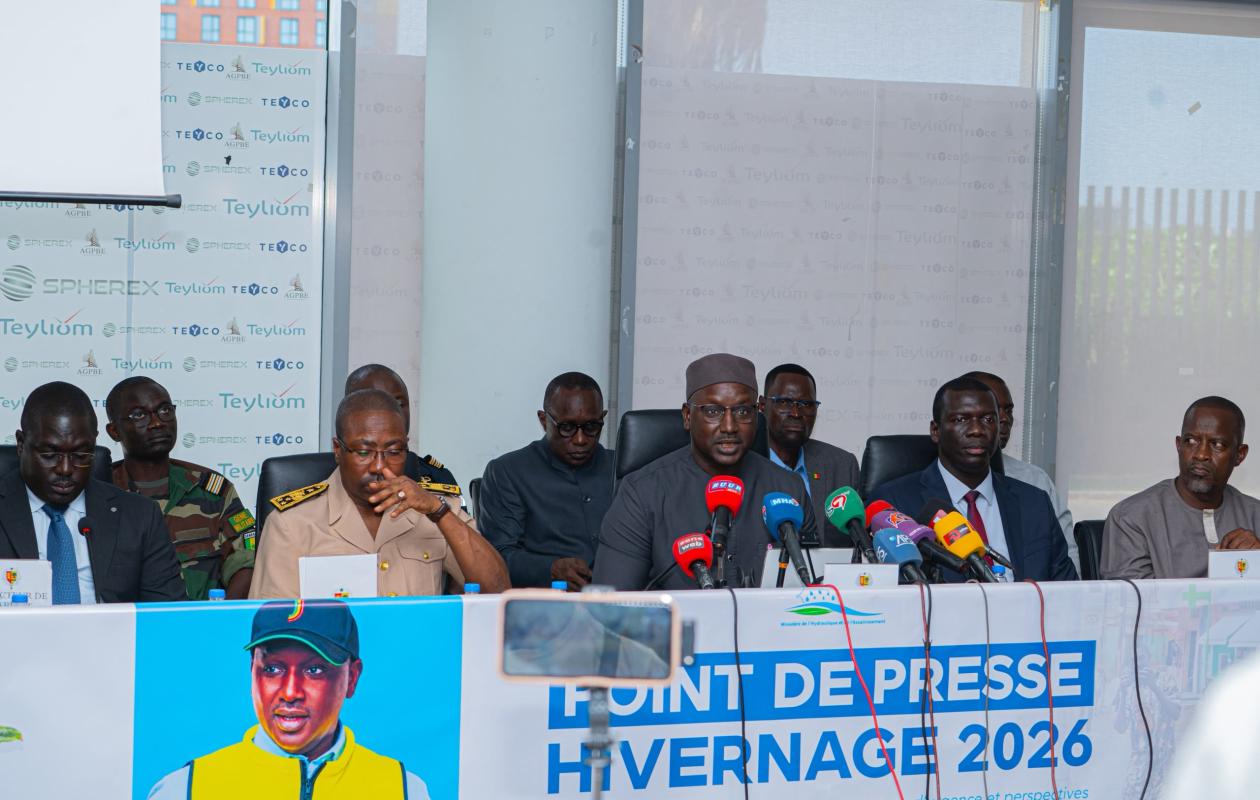
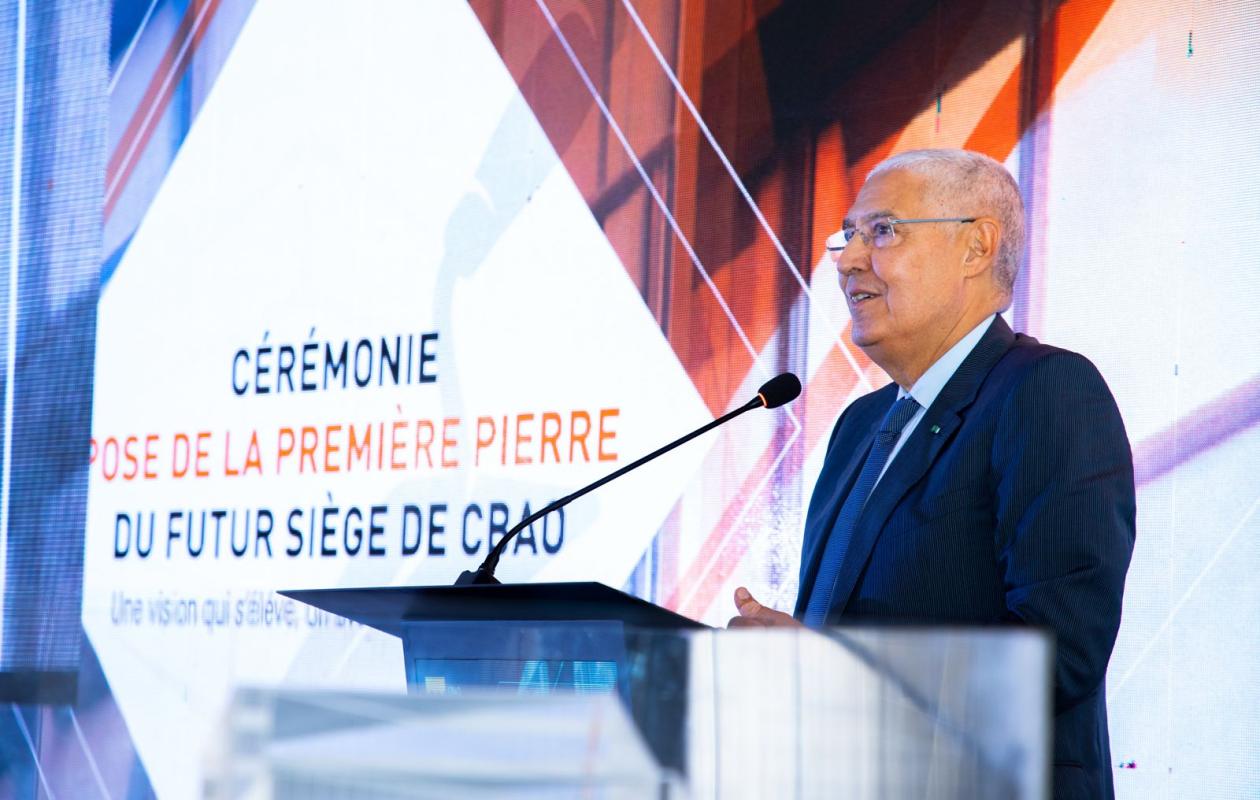
Meeting yesterday in Diamniadio, stakeholders involved in flood management, under the auspices of the Ministry of Water and Sanitation, attended a press conference held by Minister Cheikh Tidiane Dièye. Addressing journalists, the Minister presented the preliminary assessment of the 2026 rainy season, marked by exceptional rainfall, highlighting the crucial shift from an emergency relief policy to a strategy of long-term, structural investments.
Exceptional rainfall and the ordeal of October 4th
The 2026 rainy season was marked by exceptionally high rainfall. As of October 8th, several stations reported significantly above-average totals: Louga reached 177.5% of its normal rainfall, Ranérou 180.8%, and Cap-Skirring recorded 1,601.7 mm, or 134.3% of its normal. In Dakar, the seasonal total as of October 8th stood at 605.4 mm, exceeding the expected annual average (approximately 450 mm) by more than 150 mm, reaching 158.8% of the normal amount.
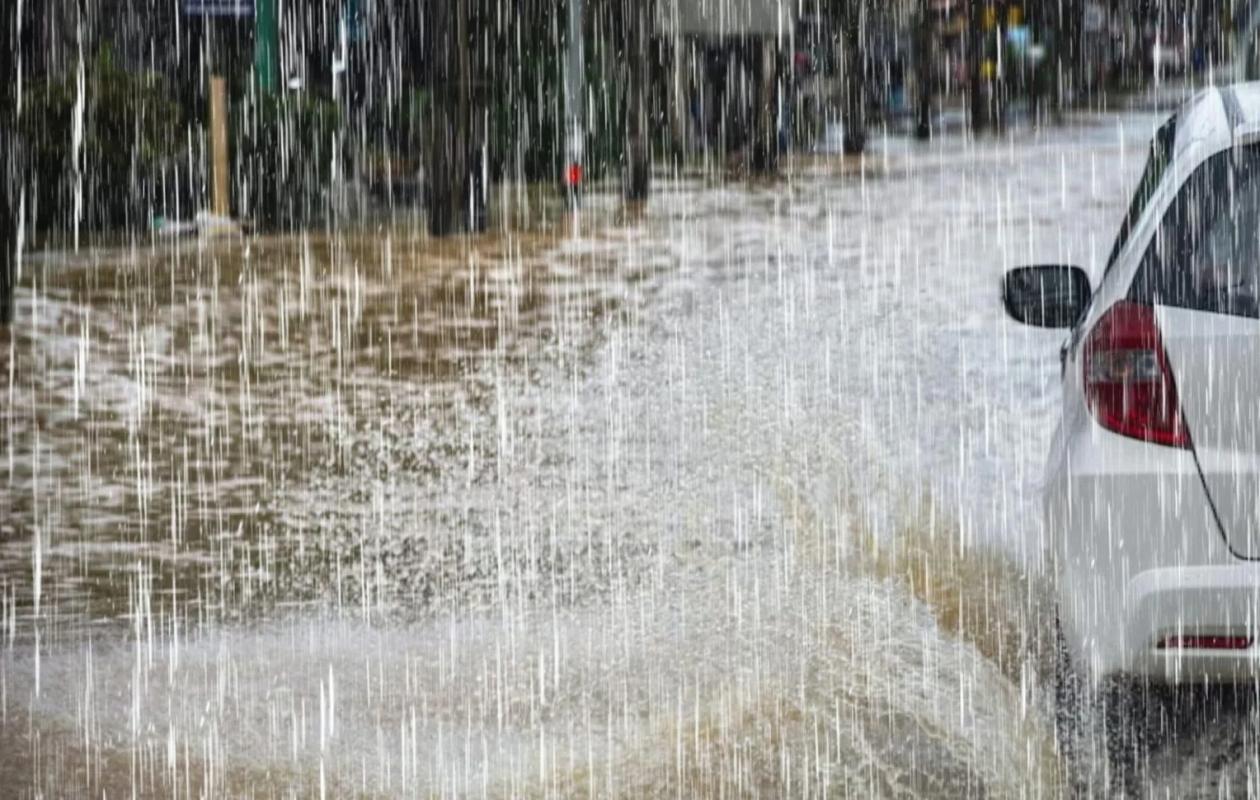
The most significant event of the season remains October 4th, when 137.5 mm of rain fell in Dakar-Yoff in 24 hours. In Yoff, 65.4 mm fell in just two hours between 5 pm and 7 pm. This is the third highest daily rainfall recorded in the capital since 1981, after the events of August 26, 2012 (160.8 mm) and September 7, 1996 (144.1 mm). Significant accumulations were also measured that day in Rufisque (142 mm), Ngor (116.3 mm), Keur Massar (111 mm), Guédiawaye (107 mm), and Mbao (106.5 mm).
An effective and coordinated emergency response
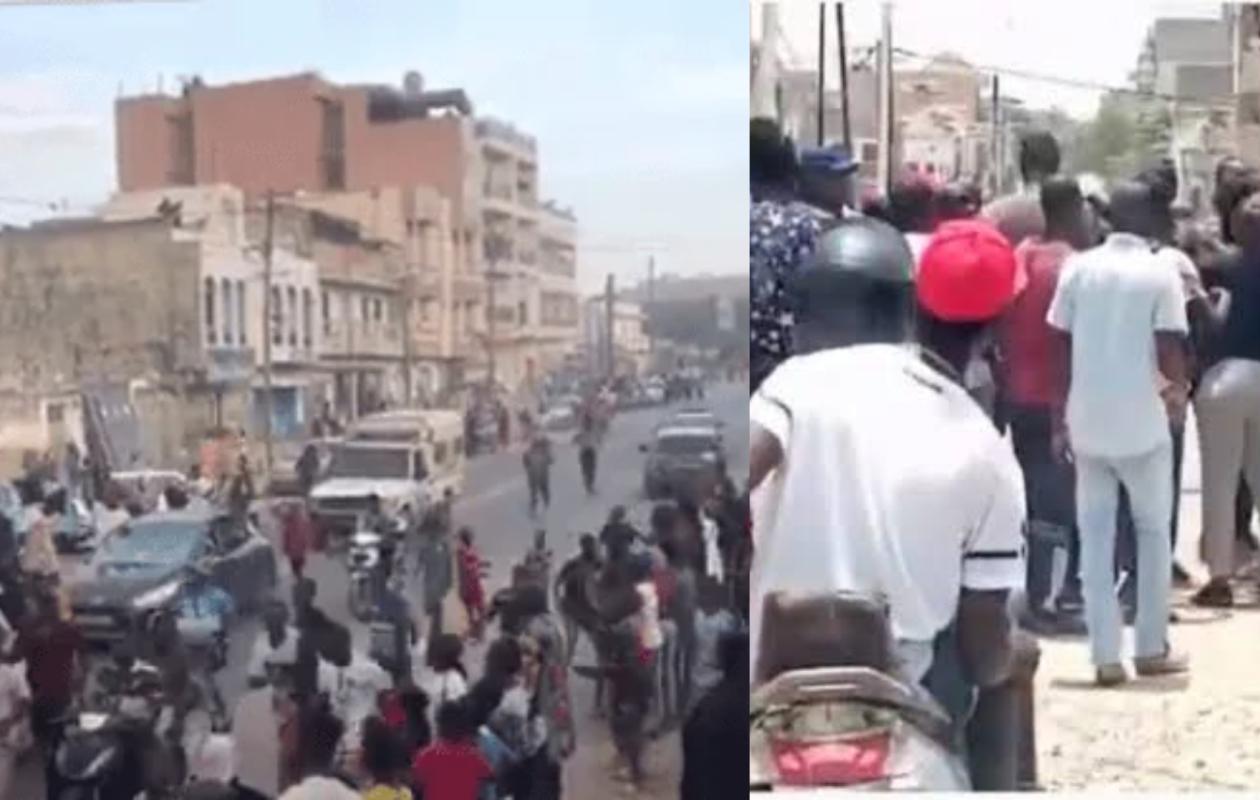
In response to the torrential rains of October 4th, the government reacted immediately. The Prime Minister chaired an emergency meeting on October 5th, conducting field visits to those affected, particularly in Keur Massar, accompanied by several members of the Government.
On the ground, an exceptional operation was deployed under the coordination of the Prefecture and the Governor of Dakar, involving the National Fire Brigade (BNSP), the National Sanitation Office (ONAS), the Directorate of Public Works and Infrastructure (DPGI), and the Road Management Agency (AGEROUTE). At the catchment area, a 1,600-meter discharge pipeline, supported by two 400 m³/h motor pumps and one 300 m³/h electric pump, was quickly installed. Supported by the mobilization of more than 50 young volunteers and the implementation of a suitable traffic plan, these operations made it possible to pump out the water and reopen all major roads within 48 hours.
Unlike the 2025 campaign, which relied primarily on emergency mobile pumping (with at least 415 motor pumps deployed across the country), the 2026 rainy season was characterized by the commissioning of gravity-fed structures, fixed pumping stations, and groundwater lowering systems. The progress observed in several historically vulnerable areas demonstrates the effectiveness of this change in approach.
In Bambey, despite rainfall reaching levels as early as August that had caused flooding in 2025, the situation remained under control thanks to preventative dredging of the drainage system carried out by ONAS (National Sanitation Office) and the Military Engineering Corps. In Diourbel, the installation of drainage pipes between the Ndiarème market and Gambi Souf by ADM (Agency for the Development of Diourbel) and the digging of a trench towards the old quarry by AGETIP (Agency for the Management of Public Works and Infrastructure) prevented the major flooding seen the previous year.
In Touba, thanks to the construction of the central and main canals by ONAS, the installation of pumping tanks by DPGI, and the deployment of two groundwater lowering systems around the Great Mosque and the residences of dignitaries, no drainage basins overflowed. In Kaffrine, the dredging of the network by ONAS, combined with the reshaping of the basin by DPGI, kept the situation under control.
In Dakar and Thiaroye, at the Parcelles Assainies U24 site, pumping capacity has been increased from 2 × 250 to 2 × 730 m³/h. Furthermore, the boreholes in Thiaroye have pumped 899,166 m³ of water, of which 761,792 m³ have been discharged into the Mbao stream to sustainably manage groundwater seepage. In addition, the Stormwater Drainage Project (PIS 1 / PIS 2) has reached a 98% completion rate, comprising 14 basins covering 24 hectares, 26 km of gravity sewers, and a 5,400 m³/h treatment plant.
Key figures for prevention in 2026
The overall anticipation and management system relies on major intervention volumes at the national level:
Technological innovation and civic engagement
Among the main innovations this year is the Allô Inondation platform, accessible continuously via the toll-free number 200 450 and WhatsApp. It offers real-time monitoring of public alerts and has enabled the mobilization of 120 multi-skilled stormwater intervention agents (APIP) in the field.
As of October 14, 2026, the platform had recorded 1,265 reports across 12 regions, of which 1,004 had been resolved, representing a resolution rate of 79.4%. The Dakar region, which accounts for 65% of the calls (822 reports), recorded a resolution rate of 85.2%. Eight regions (Ziguinchor, Thiès, Louga, Matam, Fatick, Tambacounda, Kolda, and Sédhiou) achieved a 100% resolution rate. The Saint-Louis (81 ongoing cases) and Diourbel (20 ongoing cases) regions are receiving priority monitoring for the processing of the remaining cases.
The platform also integrates real-time rainfall data from seven pioneering localities equipped with a Municipal Emergency Plan (PCS): Sangalkam, Bambilor, Touba, Kaolack, Kaffrine, Tambacounda, and Kédougou. By cross-referencing forecasts from ANACIM (National Civil Aviation Agency) and DGPRE (Directorate General of Water Resources and Sanitation) with predefined scientific thresholds (Monitoring, Pre-alert, Alert), authorities are now able to anticipate the pre-positioning of emergency services even before water accumulation is observed. For example, in Sangalkam and Bambilor, the thresholds are set at 20 mm for Monitoring, 44 mm for Pre-alert, and 73 mm for Alert.
The SNGIRI strategic vision 2025-2040
To sustain these achievements and address the constraints of urbanization, network silting and maintenance, the State is deploying the National Strategy for Integrated Flood Risk Management (SNGIRI 2025-2040).
This overall framework represents an estimated financing need of 921.7 billion FCFA, broken down into two phases:
The strategy relies on the integration of three complementary tools: Flood Risk Prevention Plans (PPRI) to control land use, Flood Risk Management Plans (PGRI) to schedule major infrastructure projects by watershed—such as the projects estimated at approximately 90 billion CFA francs for Touba or 34.98 billion CFA francs for Lac Rose—and Municipal Emergency Plans (PCS) to organize the local response. In addition, there is the Program to Strengthen Resilience Against Floods in Senegal (PRRIS), with a budget of 119 billion CFA francs for the period 2027-2031, as well as the annual commitment of 14 billion CFA francs under the National Water Compact.
In concluding his speech in Diamniadio, Minister Cheikh Tidiane Dièye reiterated that vigilance remains paramount for the end of the season and reaffirmed the government's commitment to continuing these major investments to sustainably protect the population and their property.
















Commentaires (5)
Je me demande quand est-ce qu'on sera sérieux dans ce pays. Les mafieux libéraux de Wade et Macky ont dépensé dans les 2500 milliards de CFA entre 2000 et 2024 pour régler définitivement les inondations. Rappelez-vous des milliards engloutis dans les plans Diakhaye de Wade en 2000 (https://www.youtube.com/watch?v=1T2RI0vaeds) jusqu'au programme de plus de 700 milliards de Macky en passant par les autres milliards engloutis à Touba et partout au Sénégal. Donc plusieurs milliers de milliards engloutis dans les inondations et rien n'est toujours réglé, plusieurs milliards volés et jusqu'à ce jour il n'y a aucune évaluation, aucun bilan pour savoir ou sont passés tous les 2500 milliards, qu'est-ce qui n'a pas marché, qu'est-ce qu'il faut changer ou améliorer.
Rien de tout cela et on vient encore nous pondre un nouveau programme de 921 milliards que des alternoceurs transhumants vont encore bouffer et abandonner les pauvres populations dans les eaux.
Quelle farce ce pays !
Participer à la Discussion
Règles de la communauté
💡 Astuce : Utilisez des emojis depuis votre téléphone ou le module emoji ci-dessous. Cliquez sur GIF pour ajouter un GIF animé. Collez un lien X/Twitter, TikTok ou Instagram pour l'afficher automatiquement.
Se connecter
Commentez avec votre profil, votre photo, et soyez averti des réponses.