
Exonérations douanières : Le Général Malang Diedhiou détaille les contrôles et les limites de la traçabilité
When questioned about the mechanism for issuing customs exemption certificates, the Director of Facilitation and Partnership with the company, General Malang Diedhiou, explained the operation of the Gaïnde platform and the different levels of control applied to applications.
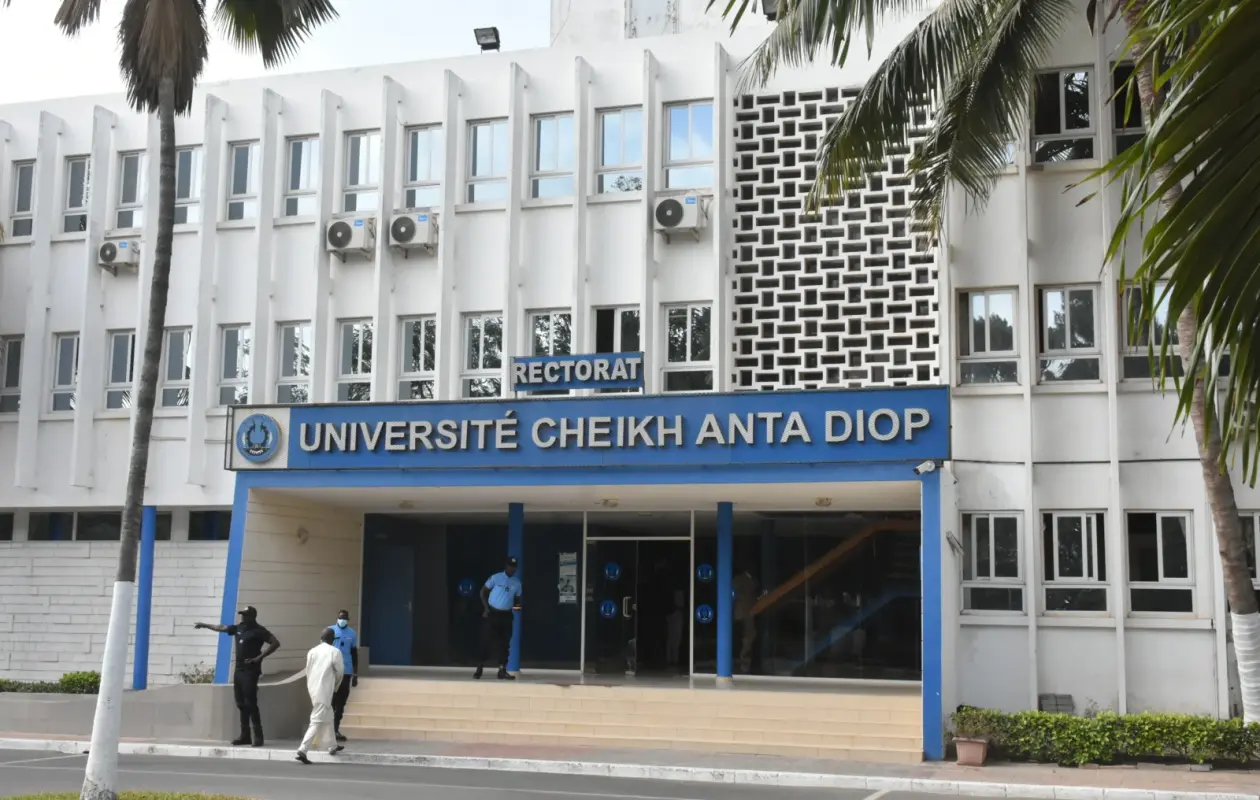
When questioned about exemptions related to higher education institution projects, he acknowledged the limitations of the searches conducted within the available systems, while committing to providing additional information on the suppliers and markets involved. The processing procedure relies on three levels of control. The first occurs at the admissibility section. Agents verify, in particular, the existence of a legal basis authorizing the requested exemption. Several texts can govern these benefits, including the Customs Code, sectoral codes relating to oil and mining activities, the Investment Code, as well as certain agreements and approved projects. "As long as there is no legal basis for an exemption, we cannot grant it," the director explained, according to statements made during the hearing.
In addition to this legal verification, the documents relating to the goods, their destination, and the identity of the beneficiary are examined. When an anomaly is detected, agents can submit observations on the platform. The file is then forwarded to the head of the Franchises and Investments office, who conducts a second review. If this official deems the agents' observations insufficiently substantiated, they may proceed with the file. Otherwise, they may reject it or request further verification.
The third level falls under the purview of the Director of Facilitation and Business Partnerships. It is at this stage that Malang Diédhiou intervenes to validate or reject the application. He states that he reviews the observations made in the previous stages and can return the file to the head of the office for further review if he is not convinced of its compliance. The director emphasized his responsibility in the final validation of the documents. He also clarified that access to the platform for submitting an application is reserved for licensed customs brokers, who handle the procedures on behalf of the beneficiaries.
Tax exemptions from 2020 that are difficult to trace
The parliamentarians then questioned the timeline of certain exemptions granted in 2020, as well as supplementary lists that were reportedly introduced in 2024 to modify the initial scope of the equipment concerned. The question focused in particular on national higher education institutions (ENOS), preparatory classes for the Grandes Écoles (CPGE), and certain higher institutes of vocational education (ISEP). The elected officials wanted to know the various equipment lists received by customs, the endorsements affixed to these documents, and the dates on which they were issued. The director first pointed out that he was not yet in office at the time. Appointed on February 7, 2025, he explained that once exemption applications were processed and the permits issued, they were not necessarily subject to ongoing monitoring by his department. He did, however, indicate that investigations could be carried out following a formal request, notably by contacting the Customs Information Systems Directorate to obtain computer extracts. "Since I haven't seen the document, I can't say who affixed the visa," he stated, while reiterating that lists under the jurisdiction of the customs administration must be approved by that administration.
Regarding the file submitted for his review, he explained that initial searches had not directly uncovered any traces of exemptions issued in the name of the relevant ENOS and CPGE institutions within the consulted systems. A technical difficulty, however, is complicating the verification process. The Gaïnde system used by customs was implemented in 2022, while the transactions under review date back to an earlier period. The searches must therefore be supplemented by other investigative methods. The director specified that the teams were relying in particular on the PPM code, an identifier used in customs operations. However, searches conducted using the names of the institutions had not yielded the expected information. He thus concluded that it was necessary to obtain more precise information, particularly on the companies awarded the contracts, to identify the corresponding import transactions.
Construction materials: Customs verifies legality, not the size of construction sites.
Another aspect of the hearing concerned the technical control of quantities of materials benefiting from exemptions. Parliamentarians specifically raised the issue of requests for large volumes of iron, cement, or gravel, asking whether customs officials were verifying their suitability for the actual needs of the construction sites.
The question raised a significant issue: how to ensure that the quantities imported duty-free actually correspond to the needs of the projects and do not exceed what is necessary for their completion? Malang Diedhiou replied that the technical assessment of the markets and the needs of the construction sites was not within the purview of his department. The Facilitation and Partnership Department's role with businesses is primarily to verify the legality of the request and ensure that the conditions stipulated by the regulations are met.
In other words, the existence of a legal basis and the conformity of supporting documents are the main criteria examined by its departments. The department is not responsible for determining whether a quantity of materials is technically proportionate to the dimensions of a building or the specifications of a construction site. The director nevertheless explained that staff members could report any questionable situations to the inspection services.
When a case presents unusual elements, even if the available evidence does not immediately establish an offense, the information can be shared with the relevant authorities. He emphasized the need for more thorough investigations when significant sums are involved. According to him, customs officials must ensure that the exemptions granted do not result in losses for the state.



















Commentaires (14)
Seneweb devient senelouné...
Participer à la Discussion
Règles de la communauté
💡 Astuce : Utilisez des emojis depuis votre téléphone ou le module emoji ci-dessous. Cliquez sur GIF pour ajouter un GIF animé. Collez un lien X/Twitter, TikTok ou Instagram pour l'afficher automatiquement.
Se connecter
Commentez avec votre profil, votre photo, et soyez averti des réponses.