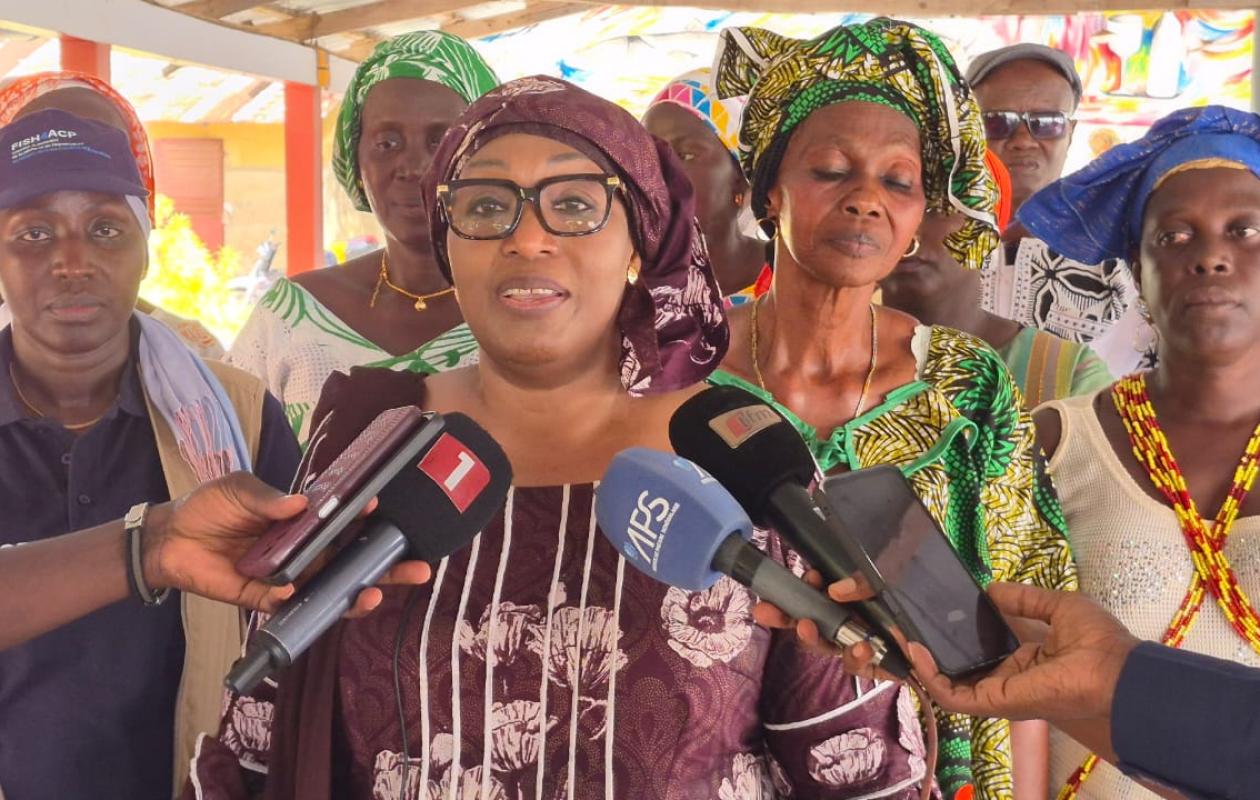
L'or gris des bolongs : Comment les femmes de Katakalousse révolutionnent l'ostréiculture en Casamance
In the bolongs (tidal creeks) of the Oussouye department, the women of Katakalousse are carrying out a true economic revolution. Previously limited to the traditional harvesting of wild oysters, they have adopted modern farming and spat collection techniques thanks to support from the FAO and the European Union. Between reduced workload, a dramatic increase in family income, and modernized equipment, these oyster farmers are structuring a model industry. Now organized around a rigorous business plan, they are preparing for health certification of their production with a clear ambition: to conquer international markets for Casamance oysters.
To reach the Katakalousse oyster farming area, one must first surrender to the slow rhythm of a pirogue crossing. The calm waters meander between the mangroves that define the horizon of this part of Lower Casamance. Here, the mangrove is not simply an ecosystem: it is a source of life, income, and hope for dozens of women organized within an oyster farming cooperative that has become a local benchmark.
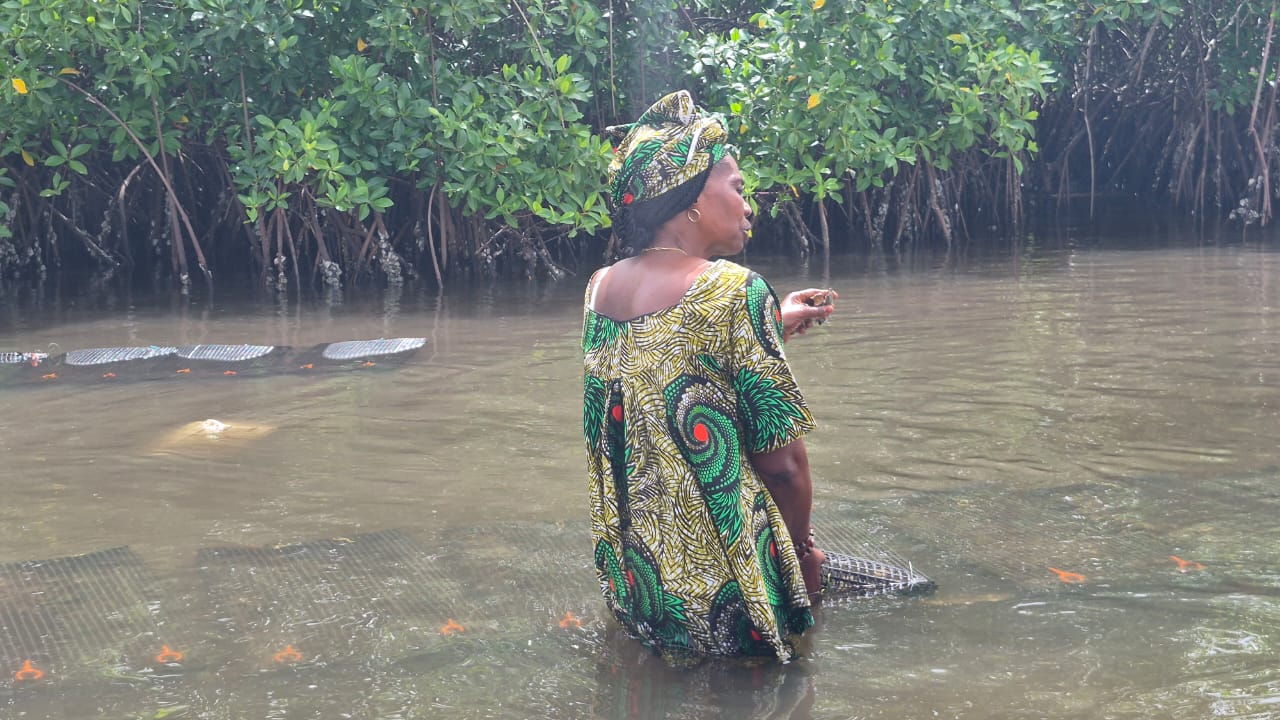
Under the sun reflecting off the bolongs, the oyster beds stretch as far as the eye can see. Behind each suspended rope, each spat collector, and each carefully sorted oyster lies the story of a slow transformation carried out with determination by the women of the village.
A skill now mastered
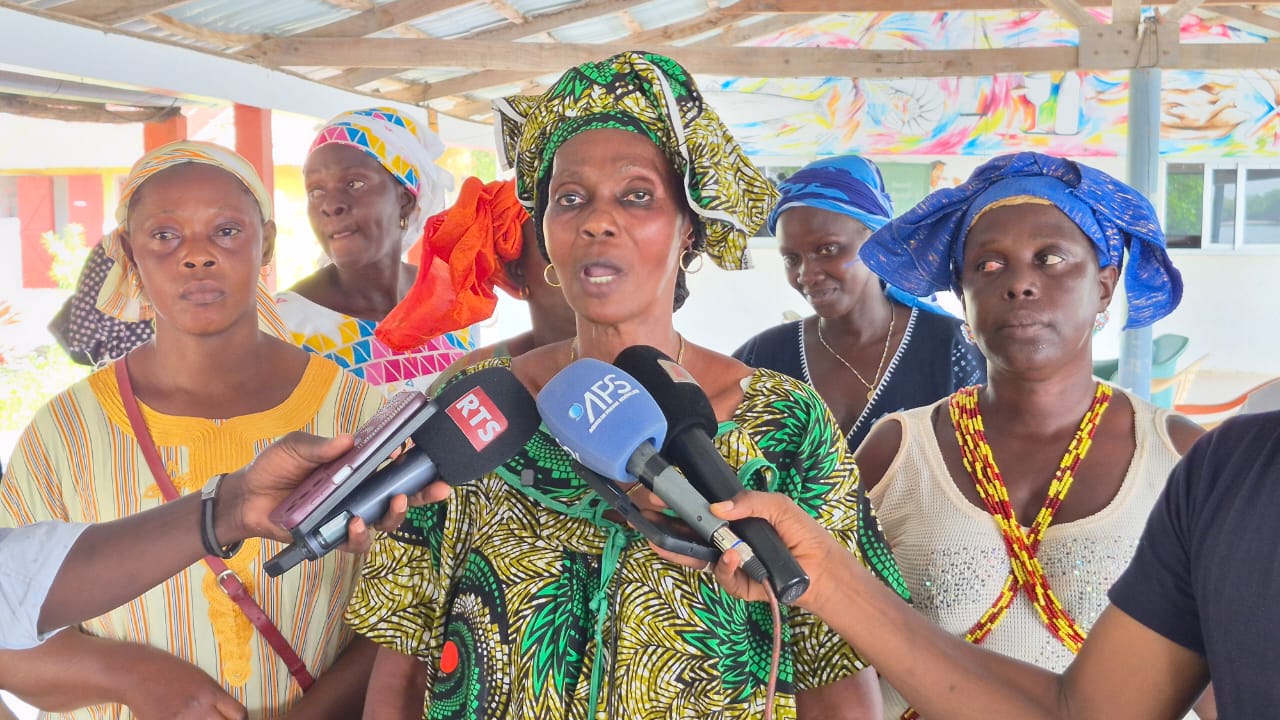
In the middle of the facilities, Yaye Amy, a member of the women oyster farmers' group, confidently explains the different stages of the work: "There is a first category, a second and a third. During the harvest, we sort them according to the quality and size of the oysters."
Grading is an essential step. The larger the oysters and the more they meet quality standards, the higher their market value. The women therefore carry out a rigorous sorting process before packaging and marketing.
The work follows a demanding schedule and is heavily dependent on natural cycles. "During the first year, the yield is low. It is from the second year that we really start to harvest. When the wintering is good, production increases considerably," she explains.
Every morning, the shellfish producers arrive at the sites at the crack of dawn. By eight o'clock, the teams are already hard at work in the oyster beds located in the heart of the mangrove. While some areas are difficult to access and require long canoe trips, the abundance of water and the favorable conditions at certain sites allow for the production of shellfish of remarkable quality.
From traditional harvesting to modern oyster farming
For the women of Katakalousse, oyster harvesting is part of a long tradition linked to the mangrove. For a long time, the women simply gathered wild oysters attached to the roots of the mangrove trees. However, this ancestral practice was reaching its ecological and economic limits.
“Before, we faced many difficulties. Our entire life depended solely on the raw natural resources of the mangrove,” recalls Maimouna Gomis, president of the oyster farmers’ group.
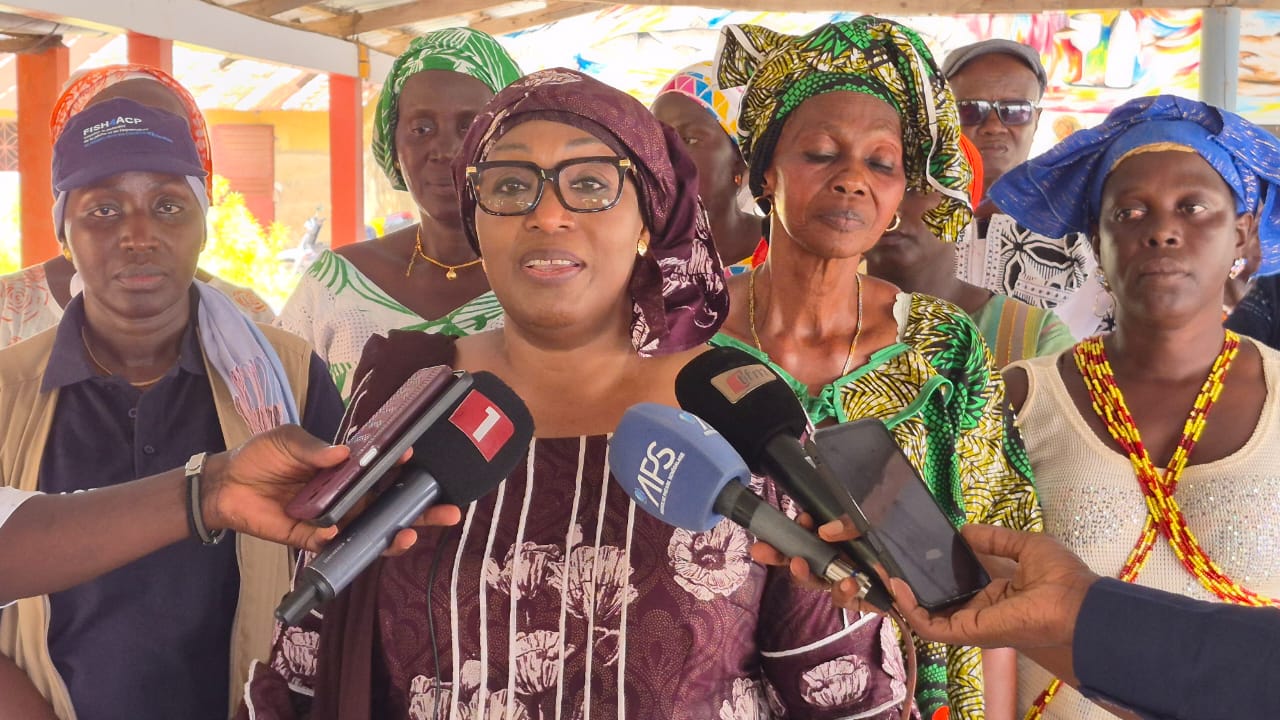
The introduction of the FAO-supported project marked a turning point. The women producers benefited from technical training enabling them to gradually abandon rudimentary methods in favor of modern harvesting and farming techniques.
“At first, I didn’t master the techniques I use today. I learned about oyster harvesting and farming. We were taught how to collect the spat, place them on suitable supports, grow them in the water and then monitor them until they reach maturity,” she explains.
The process is meticulous. The young oysters are collected, raised in controlled conditions, and then monitored for several months before harvesting. Once they reach maturity, they are sorted, processed, packaged, and sold.
Reducing the arduousness of work and multiplying incomes
One of the major changes observed in Katakalousse is the reduction in the arduousness of the tasks. The modern equipment introduced by the project has significantly improved the daily lives of the women producers. The harvesting, handling, and processing operations require less physical effort than before and allow for a substantial increase in yields.
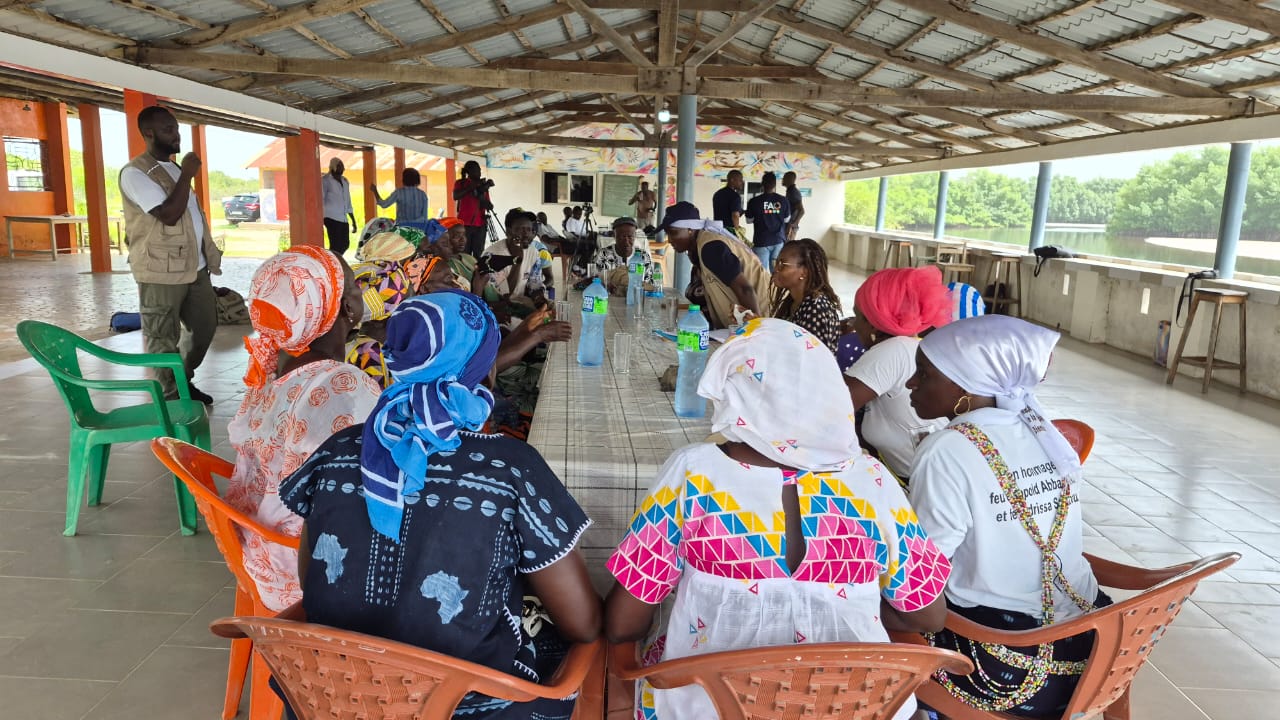
Institutional support was not limited to the provision of equipment. The women were also trained in administrative management, crop planning, and the commercial development of their activities.
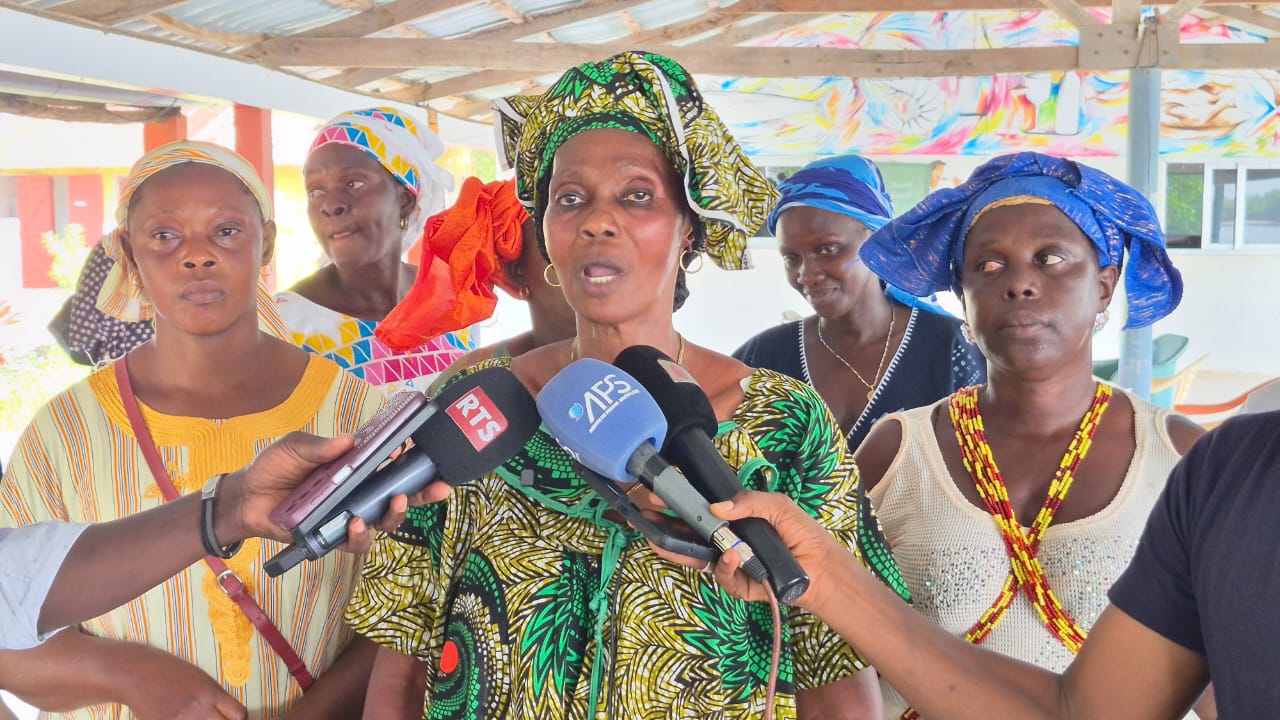
For Maimouna Gomis, the benefits are tangible: “Today, thanks to the modern equipment and methods provided to us, our work has become easier and much more profitable. This work is now my main source of income and allows me to live with dignity.”
The profits generated now allow the women producers to save, actively contribute to household expenses, ensure their children's education, and finance other income-generating activities. "Before, my income was very low. Today, with the new methods, it has increased considerably," emphasizes the group's president. These strengthened financial resources consolidate the women's economic autonomy while raising the standard of living for their families.
An exemplary organization praised by the FAO
During a field visit, Bintia Stephen-Tchicaya, FAO sub-regional coordinator for West Africa and representative of the organization in Senegal, came to assess the progress made: "We came to commend these women who produce exceptional oysters here in Ourong and Katakalousse."
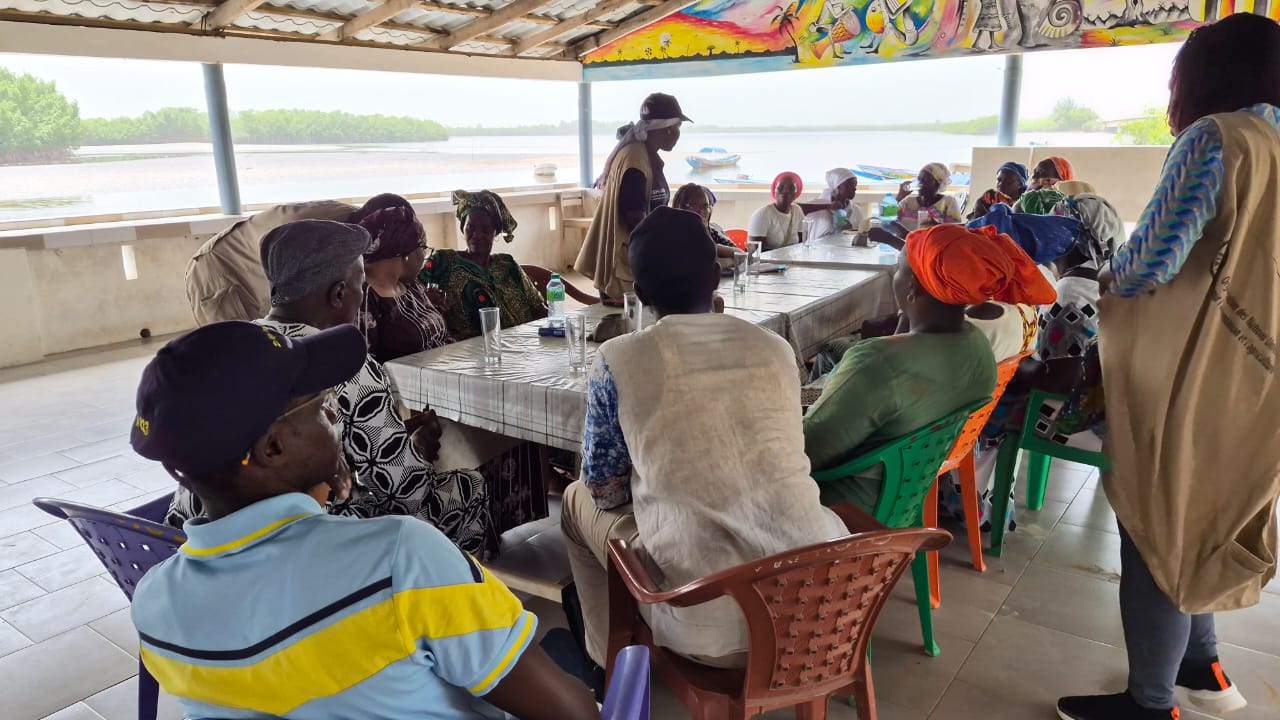
This mission was also part of the celebration of the International Day of Rural Women and the preparations for the International Year of the Woman Farmer proclaimed by the United Nations.
The FAO representative made no secret of her admiration for the facilities: "We have seen that they are able to produce high-quality oysters. We had to come and congratulate them, encourage them, and reaffirm that this activity represents a real opportunity for economic empowerment."
Beyond technical performance, the FAO highlights the group's managerial excellence: "I was particularly impressed by their social engineering, their organization, and the rigor with which they built their business plan. The results are entirely satisfactory."
The challenge of health standards to conquer the international market
Building on these achievements, the oyster farmers of Katakalousse are now aiming higher. The next strategic step is to strengthen food safety standards in order to open the doors to regional and international markets.
“We want to provide them with more support on food safety, preservation and handling of oysters, which remain particularly sensitive products,” explains Bintia Stephen-Tchicaya.
The stated objective of the institutional partners and the producers is ambitious: to enable Casamance mangrove oysters to enter mass distribution and export channels. "We must stay the course and guarantee impeccable hygiene throughout the entire value chain. This is what will allow us to move towards standardized packaging and then towards exporting," insists the FAO representative.
As the tide rises, the canoes slowly make their way back. In the oyster beds, the oysters continue to grow while the women are already preparing for the next expeditions. In Katakalousse, oyster farming has ceased to be a mere subsistence activity and has become a true engine of empowerment, a model of sustainable mangrove management, and a tremendous promise for the future.






















Commentaires (0)
Participer à la Discussion
Règles de la communauté
💡 Astuce : Utilisez des emojis depuis votre téléphone ou le module emoji ci-dessous. Cliquez sur GIF pour ajouter un GIF animé. Collez un lien X/Twitter, TikTok ou Instagram pour l'afficher automatiquement.
Se connecter
Commentez avec votre profil, votre photo, et soyez averti des réponses.