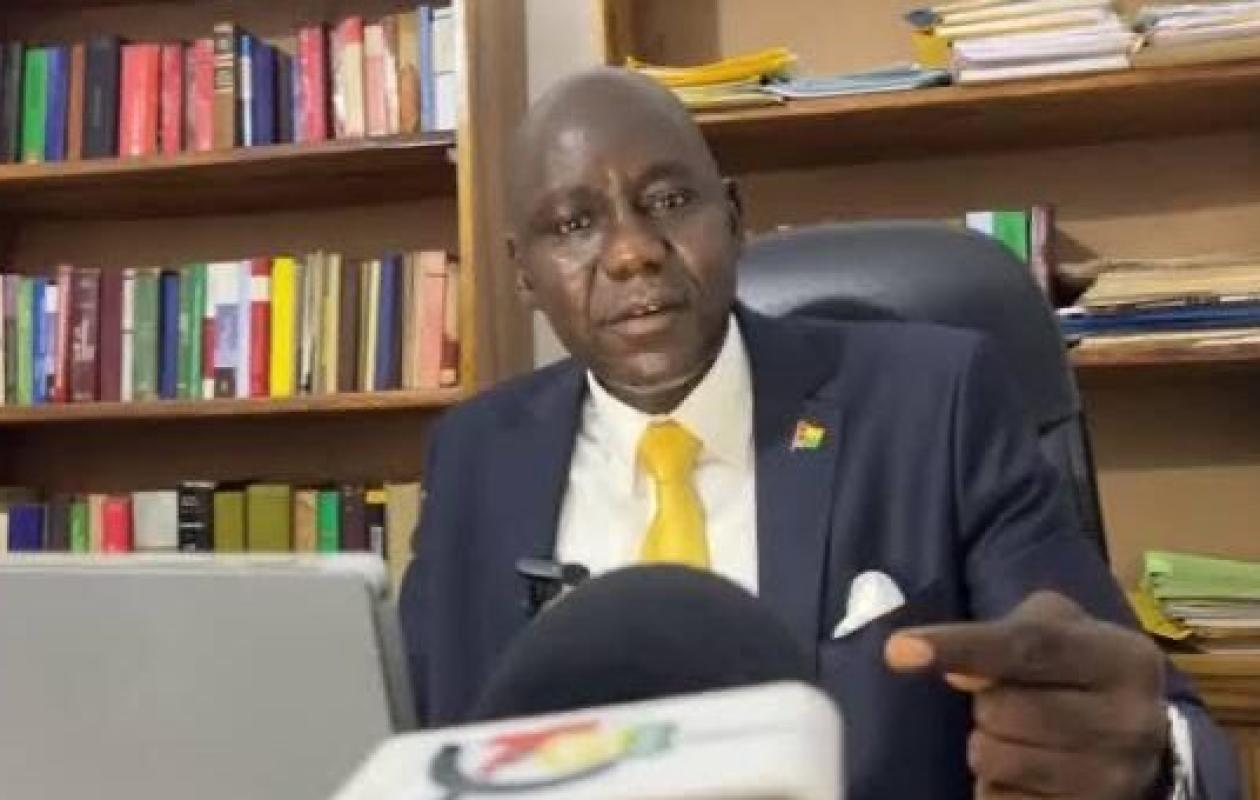
Guinée-Bissau : le 2e vice-président du CNT, Nelson Moreira, défend la légitimité du référendum constitutionnel
With the constitutional referendum scheduled for August 30, 2026, just days away, Guinea-Bissau is at the heart of an intense political debate. The draft new constitution, which notably includes provisions to strengthen certain presidential powers, is being criticized by political parties and civil society organizations that denounce an authoritarian drift and the exclusion of certain stakeholders from the process.
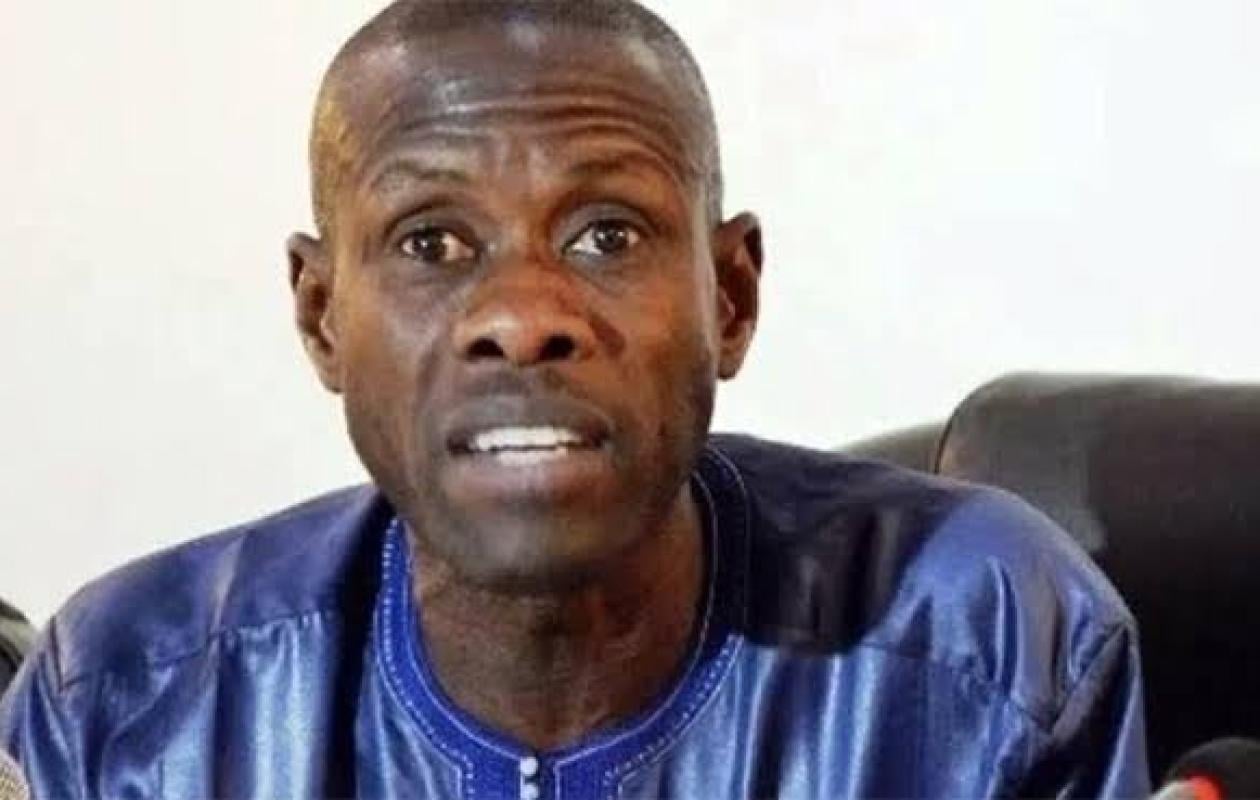
In an interview with RFI, Nelson Moreira, the second vice-president of the National Transitional Council (CNT), rejected these accusations, stating that "the country needs to breathe." According to him, the constitutional revision is legitimate and inclusive, as it has always been the subject of debate and has not excluded any segment of Guinean society. He noted that the PAIGC, the main opposition party, as well as the PRS and MADEM, are represented on the CNT, alongside youth, traditional leaders, and civil society.
Faced with criticism regarding a potential concentration of presidential power, Moreira asserted that no article in the draft law transforms the president into the head of government. The only change, according to him, is that the president will now preside over the Council of Ministers, but "in accordance with constitutional provisions and not at his own discretion." He also clarified that the prime minister will continue to be appointed by the president, taking into account the election results and the existence of a stable majority in the National People's Assembly.
When questioned about the exclusion of the diaspora from the referendum process, Moreira cited financial and legal constraints. "A state like Guinea-Bissau, especially in the current context, is not in a position to support this process. That is why, and this is not the first time, the right to vote has been limited to citizens residing in Guinea-Bissau," he explained.
This referendum is presented by the authorities as a decisive step in the transition, aiming to provide the country with a new constitutional framework intended to strengthen institutional stability and clarify the distribution of powers among sovereign bodies. However, it remains marked by strong political and social polarization, which could influence the perception and outcome of this vote.
















Commentaires (3)
Participer à la Discussion
Règles de la communauté
💡 Astuce : Utilisez des emojis depuis votre téléphone ou le module emoji ci-dessous. Cliquez sur GIF pour ajouter un GIF animé. Collez un lien X/Twitter, TikTok ou Instagram pour l'afficher automatiquement.
Se connecter
Commentez avec votre profil, votre photo, et soyez averti des réponses.