Kenya : la mort de 15 éléphants dans un parc fait polémique
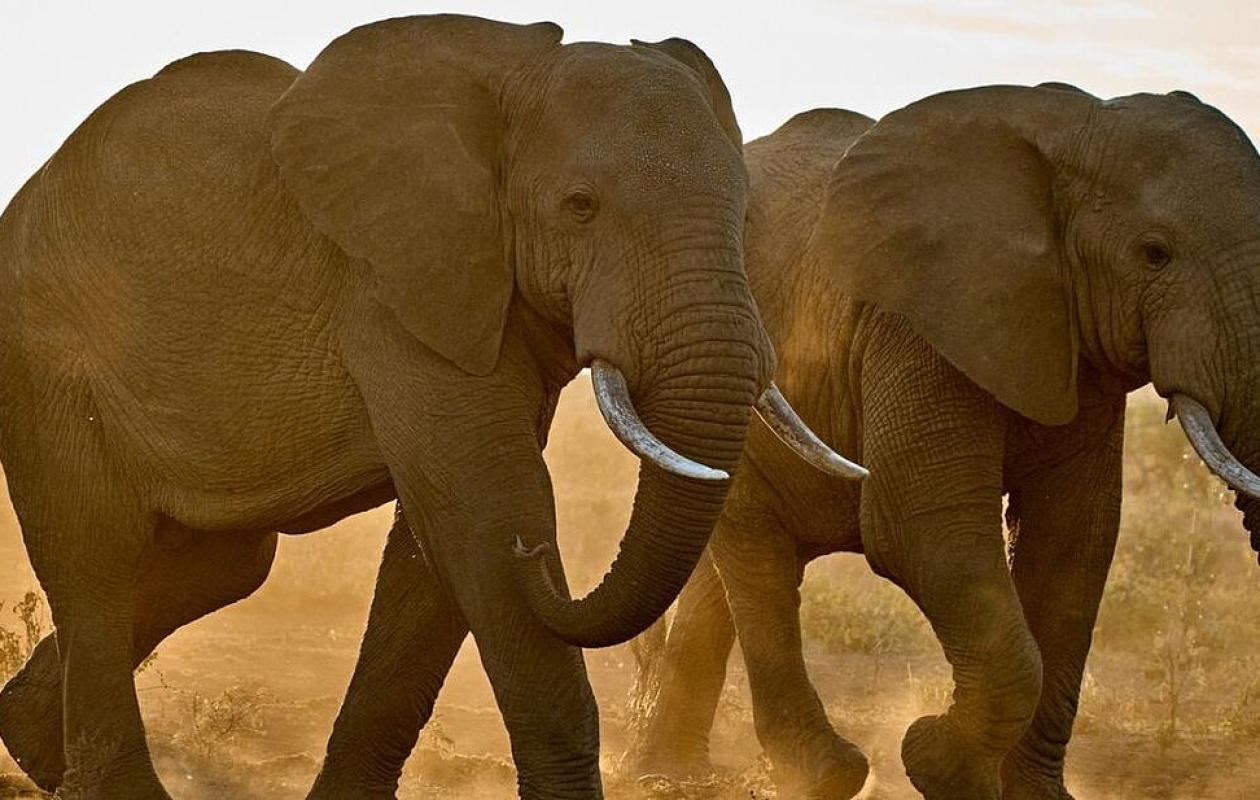
In Kenya, fifteen elephants were found dead in a park, likely poisoned. Preliminary laboratory tests detected the presence of cyanide in the animals' stomachs.
"Once the analyses were carried out, we received preliminary results from both government chemists and the University of Nairobi. The University of Nairobi's analysis detected a certain presence of cyanide. But these were qualitative analyses. So we are currently trying to repeat these analyses to obtain quantitative results, simply to verify the amounts, the actual amounts of this substance present in the body," explains Isaac Lekolool, head of veterinary services, Kenya Wildlife Services.
Autopsies also revealed the presence of tomatoes in the animals' stomachs. Some believe the toxin originated from crops grown on a farm bordering the park. However, the farmers deny that cyanide in their tomatoes killed the elephants.
"The chemical that they claim killed the elephants, we have never seen or heard of it here. It is not even used here on farms," says Elvis Muchai, a farmer.
This opinion is shared by Rymondy Mrosso, a farmer: "How is it that only elephants have supposedly died because of these pesticides, when we only started using them today? Furthermore, before these pesticides were improved from their previous compositions thanks to current technology, the more aggressive products we used before never affected these animals. We have coexisted with them yesterday, today, and for many years without any complaints of animal deaths from pesticide poisoning."
Isaac Lekolool, head of veterinary services at Kenya Wildlife Services, also disputes the theory of elephant poisoning from cyanide from crops.
"The pesticides available on the market do not contain cyanide. Cyanide could be used for entirely different purposes, and not really for agricultural production. So we still need to determine exactly where this cyanide is coming from."
An investigation is underway to determine how the cyanide ended up in the ecosystem.
Meanwhile, the issue raises the question of the difficult coexistence between humans and elephants, the second leading cause of elephant mortality after poaching in the country, according to Kenya's National Elephant Plan.






















Commentaires (0)
Participer à la Discussion
Règles de la communauté
💡 Astuce : Utilisez des emojis depuis votre téléphone ou le module emoji ci-dessous. Cliquez sur GIF pour ajouter un GIF animé. Collez un lien X/Twitter, TikTok ou Instagram pour l'afficher automatiquement.
Se connecter
Commentez avec votre profil, votre photo, et soyez averti des réponses.