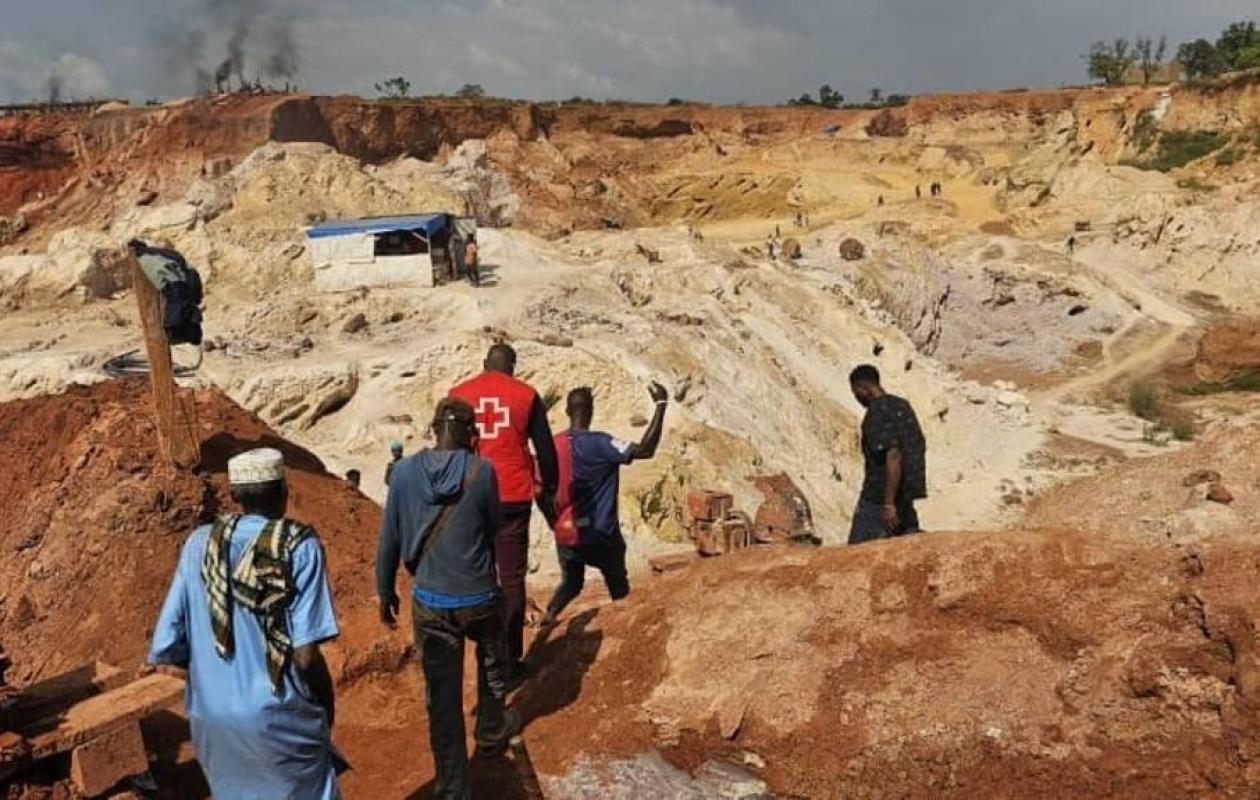
Orpaillage en Guinée : la légitimité du but ne blanchit pas la méthode
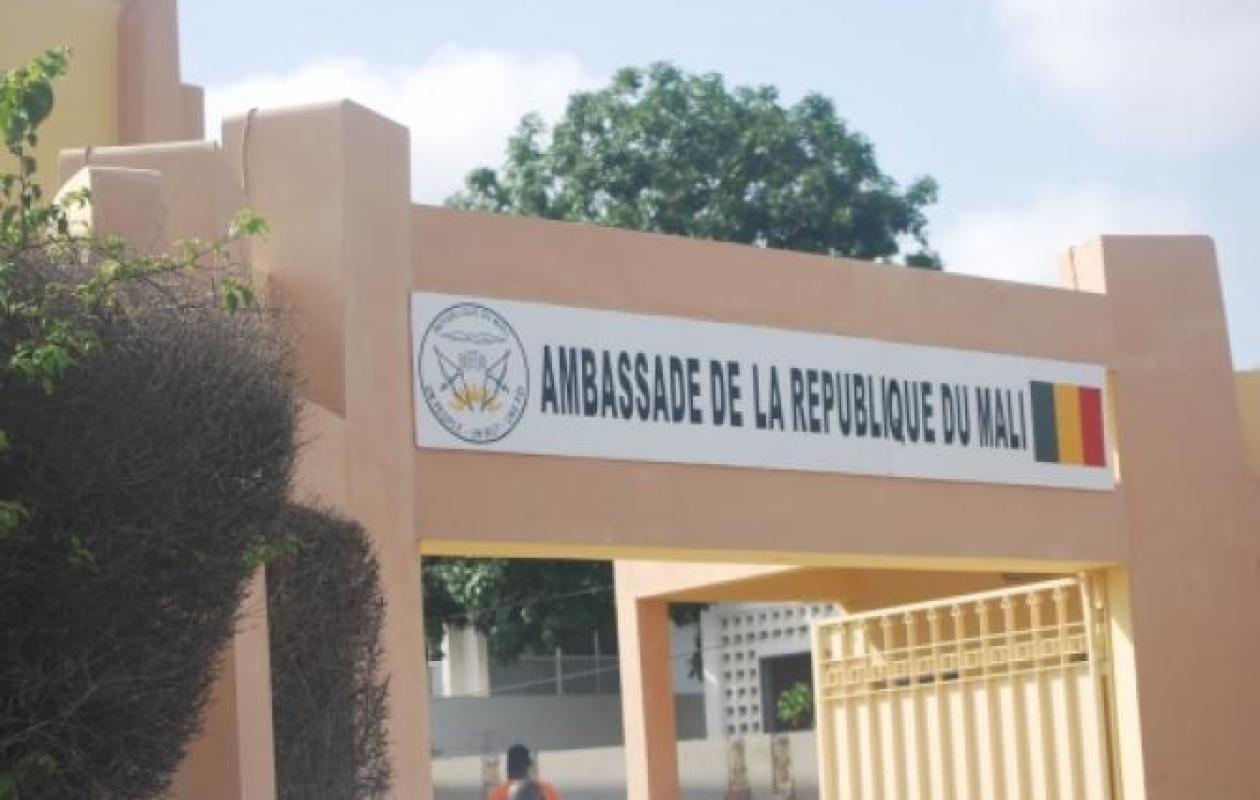
Guinean authorities suspended artisanal gold mining in Upper Guinea starting October 29, 2026, and Conakry announced further measures on November 2. Mali announced on Saturday that it had taken in approximately 160,000 displaced people, with six deaths recorded in Kourémalé, and described the situation as a "humanitarian emergency." The majority of these people are Burkinabe. Ouagadougou maintains that the operation was carried out without prior notice or consultation with its diplomatic corps, and its Minister of Security denounced the forceful expulsion.
These figures are official Malian reports, so they should be treated with caution. But the scale is sufficient: more than 1,200 arrests in Siguiri on the one hand, and tens of thousands of people displaced on the other. This is no longer a police operation; it's a population displacement.
Illegal gold mining destroys waterways, forests, and farmland. Mercury poisons both the miners themselves and local residents. Some of the gold leaves through clandestine channels, depriving states of revenue and fueling opaque, sometimes armed, financing. Conakry argues for sovereignty over its resources, and this is a pan-African argument: Africa should not have to watch its gold disappear illegally while it is criticized for mismanaging its mines.
Read also : "Anti-gold mining operations in Guinea: 160,000 people pushed back to Mali"
Guinea's foreign minister, Morissanda Kouyaté, argued that Pan-Africanism and solidarity among African countries should not be interpreted as a license to break the law. In principle, the formula is defensible. The problem lies in what it leaves unsaid.
The question isn't "Should we fight illegal gold mining?" but "Who does the state target first?" The Burkinabe, Malians, and other deported gold miners are the last link in the chain: workers who dig by hand, often for a meager living. The real beneficiaries of the system—those who finance the machinery, buy the gold, smuggle it out, and protect the sites—aren't filling the deportation buses.
One signal is nonetheless interesting: Conakry is also targeting its own intermediaries. The joint statement from the ministries targets local officials accused of having "encouraged or tolerated" illegal gold mining, notably by facilitating the settlement of undocumented foreigners. This is consistent, but it also confirms the underlying issue: for years, these settlements were tolerated, even organized locally. A state that turns a blind eye for ten years and then expels people in a matter of days is not pursuing a policy; it is settling a debt at the expense of the most vulnerable.
ECOWAS and ESA: Principles to defend, not slogans
The fight against illegal gold mining is legitimate. But the method matters. Africa rightly denounces the pushbacks of its citizens at Europe's borders, the mass expulsions, and the deaths en route. If it applies the same brutality to its neighbors, it loses its authority to speak out.
In the name of free movement, ECOWAS and the ESA have principles to uphold. A framework for formalizing artisanal gold mining is also needed, with designated mining corridors, permits, and local processing. Guinea, Mali, and Burkina Faso all claim to uphold sovereign or pan-African solidarity. Yet, these are the very three states that are currently exchanging populations.
Three troubling observations:
Mali graciously offered a welcome, but has become a transit country under pressure: Bamako and Ouagadougou had to coordinate the return, and Burkina Faso mobilized hundreds of buses. The ESA states are demonstrating their ability to coordinate emergency repatriations, not that they anticipated the crisis.
Free movement is enshrined in the ECOWAS protocol (visa-free entry, stay, and establishment). However, by leaving the organization, the Economic and Social Agency (ESA) has left the status of this right unclear, both among its members and with their neighbors. This crisis reveals the true cost of this legal uncertainty.
Read also: "Guinea expels Burkinabe gold miners, provoking anger in Ouagadougou"
Ivory Coast has refused entry to Burkinabe nationals, including minors: 16 people according to the press. The crisis is already spilling over from the initial triangle, and borders are closing one after another.
The lesson in principle: a community of states that proclaims free movement and allows a single country to effectively suspend it for tens of thousands of people, without notification or consultation, does not have a rule, it has a declaration.
Guineans themselves have been expelled from several countries, notably Algeria, often arriving via Mali in difficult conditions. A country whose citizens have suffered this treatment cannot apply it to others without creating a contradiction. This is not a case of judging intentions; it is simply the observation that the memory of these expulsions should make Guinea a champion of migrant workers' rights, not a cautionary tale. The same argument applies to Mali, a transit country for Algerian expulsions, and to Burkina Faso, a major country of emigration.
















Commentaires (4)
Ce doumbouya a un probleme avec les pays de l'AES
Participer à la Discussion
Règles de la communauté
💡 Astuce : Utilisez des emojis depuis votre téléphone ou le module emoji ci-dessous. Cliquez sur GIF pour ajouter un GIF animé. Collez un lien X/Twitter, TikTok ou Instagram pour l'afficher automatiquement.
Se connecter
Commentez avec votre profil, votre photo, et soyez averti des réponses.