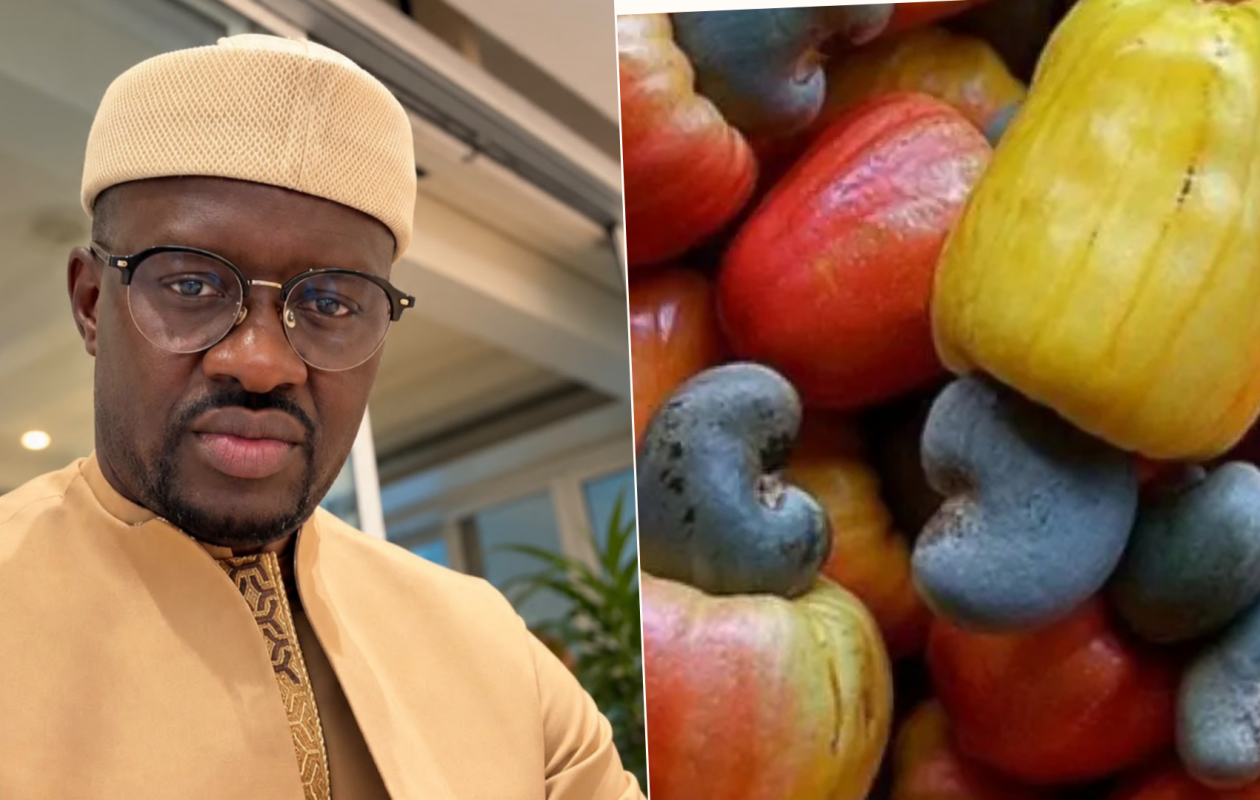
Campagne agricole 2026-2027 : L’ICAS dénonce l’absence de la filière cajou des mesures de soutien du conseil interministériel
The Senegalese cashew interprofessional organization (ICAS) denounces the absence of specific measures in favor of the cashew sector in the decisions of the interministerial council dedicated to the 2026-2027 agricultural marketing campaign, held on October 22.
Through its president, Boubacar Konta, it calls on the Government to correct this omission and to make concrete commitments to support producers and operators.
Of the twenty decisions announced at the end of this meeting, several agricultural sectors, including peanuts, cotton, maize, rice, horticultural products, millet, and sesame, benefit from specific provisions. Cashew nuts, however, are not explicitly mentioned in any mechanism dedicated to financing, marketing, or improving productivity.
ICAS considers this situation incomprehensible given the economic and social importance of cashew nuts. The trade association believes this omission reflects insufficient consideration of the sector in public policy decisions and is asking the Prime Minister to review the measures adopted.
While some general provisions concerning financing, research, or storage could benefit cashew stakeholders, according to ICAS, no commitment specifies the resources that would be allocated to them, the conditions of access to the mechanisms, or the implementation timeline.
A considerable economic weight
The importance of the cashew sector is well-documented. In a dispatch published on May 8, 2026, the Senegalese Press Agency (APS) reported figures presented by Djibril Diop, Chief of Staff to the Secretary of State for Cooperatives and Agricultural Development. The sector comprises approximately 130,000 producers, covers nearly 300,000 hectares, and generated some 92 billion CFA francs in revenue in 2023.
Beyond these figures, cashew nuts provide a livelihood for many families and fuel an entire chain of activities including harvesting, processing, transport, storage, and export. In particular, they represent a significant economic driver in Casamance and contribute to the livelihoods of women and young people.
ICAS also points out that operators in the sector contribute to public resources through levies related to their activities. It believes that this contribution must be accompanied by clearly defined public support tailored to the sector's needs.
Productivity and financing at the heart of the difficulties
Low yields are one of the main challenges facing the sector. According to the International Cashew Advisory Council, average productivity in Senegal is between 300 and 350 kilograms per hectare.
To improve these performances, ICAS advocates for a program of orchard renewal and maintenance, the distribution of high-performing plants, as well as a strengthening of agricultural research and advice.
The industry association also raised concerns about cash flow difficulties faced by some operators and the burden of their outstanding bank loans. It called for a joint review of these situations with financial institutions to find solutions that take into account production, collection, and processing cycles.
By comparison, the minutes of the Interministerial Council meeting include the confirmation of a support package of five billion CFA francs for cotton, as well as the payment of a subsidy of 50 CFA francs per kilogram for rice. ICAS believes that the cashew sector's needs must also be addressed with specific and funded measures.
Existing initiatives, but support needs strengthening
ICAS does not deny the efforts already undertaken in favor of cashew. The National Agropole Development Program notably reported, in June 2025, on the distribution of improved seedlings, the rehabilitation of plantations and training for stakeholders in the sector.
However, for the industry association, these initiatives must translate into a more coherent national policy covering the entire value chain. It therefore calls upon the Ministries of Agriculture, Industry, Trade, and Finance to ensure that their interventions result in concrete commitments.
ICAS also rejects the idea that the sector's needs could be met solely through a plan focused on Casamance. While this region plays a significant role in production, cashew nuts are also cultivated in other areas, notably Fatick. Therefore, according to the interprofessional organization, their financing, processing, and export are issues that extend beyond the regional level.
ICAS is calling for corrective measures
Faced with this situation, the Senegalese cashew interprofessional organization is calling for the explicit inclusion of the sector in the 2026-2027 agricultural campaign plans. It is demanding, in particular, appropriate funding, a productivity improvement program, and enhanced support for local processing.
She also wants a coordinated approach to banking difficulties, effective access to guarantees and public support mechanisms, as well as an inter-ministerial meeting involving stakeholders in the sector.
The goal is to arrive at quantified commitments, with designated responsibilities and precise deadlines.
Through its president, Boubacar Konta, ICAS is calling on the government to give cashew nuts a place commensurate with their contribution to the Senegalese economy. The interprofessional organization believes that the efforts of producers and operators must be translated into fair and appropriate public support tailored to the realities of the sector.
















Commentaires (3)
Participer à la Discussion
Règles de la communauté
💡 Astuce : Utilisez des emojis depuis votre téléphone ou le module emoji ci-dessous. Cliquez sur GIF pour ajouter un GIF animé. Collez un lien X/Twitter, TikTok ou Instagram pour l'afficher automatiquement.
Se connecter
Commentez avec votre profil, votre photo, et soyez averti des réponses.