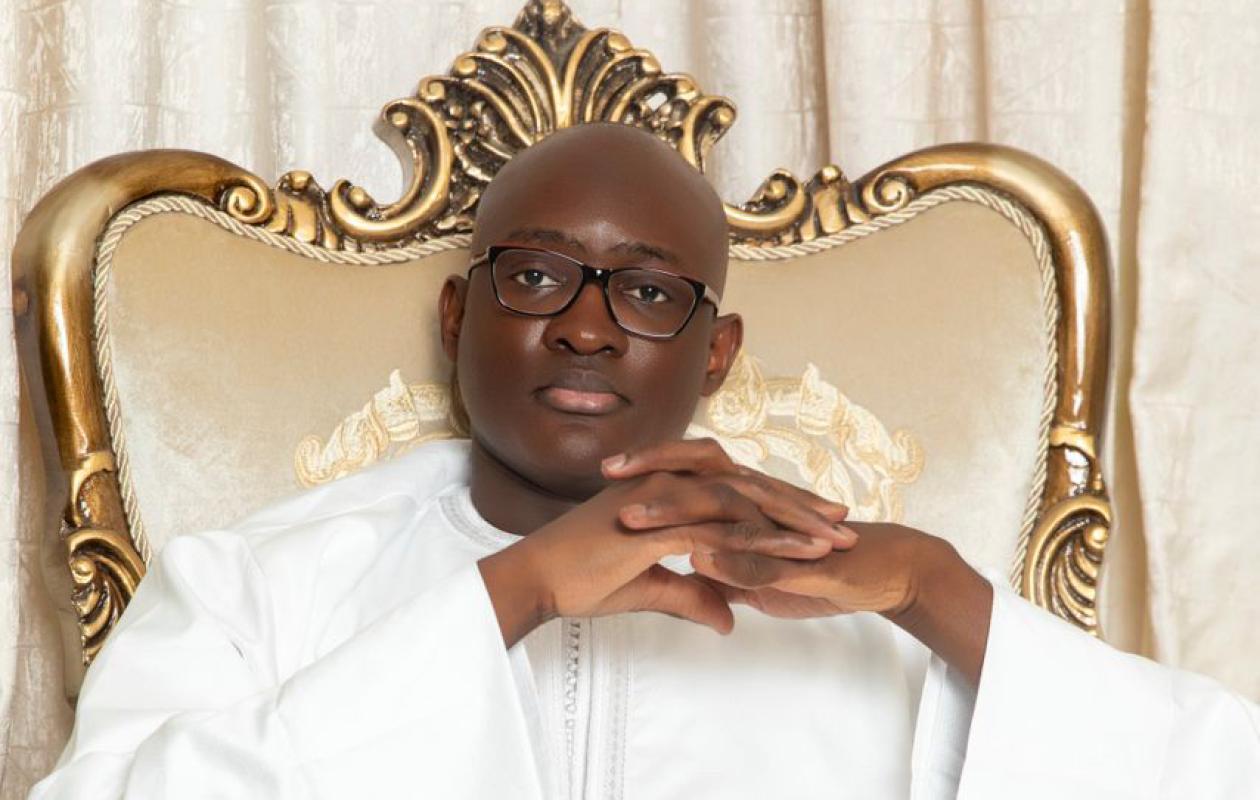
Cheikh Diba face au Financial Times : la rigueur technocratique au service du peuple, en wolof (Par Dr Cheikhabdou Lahad MBACKE)
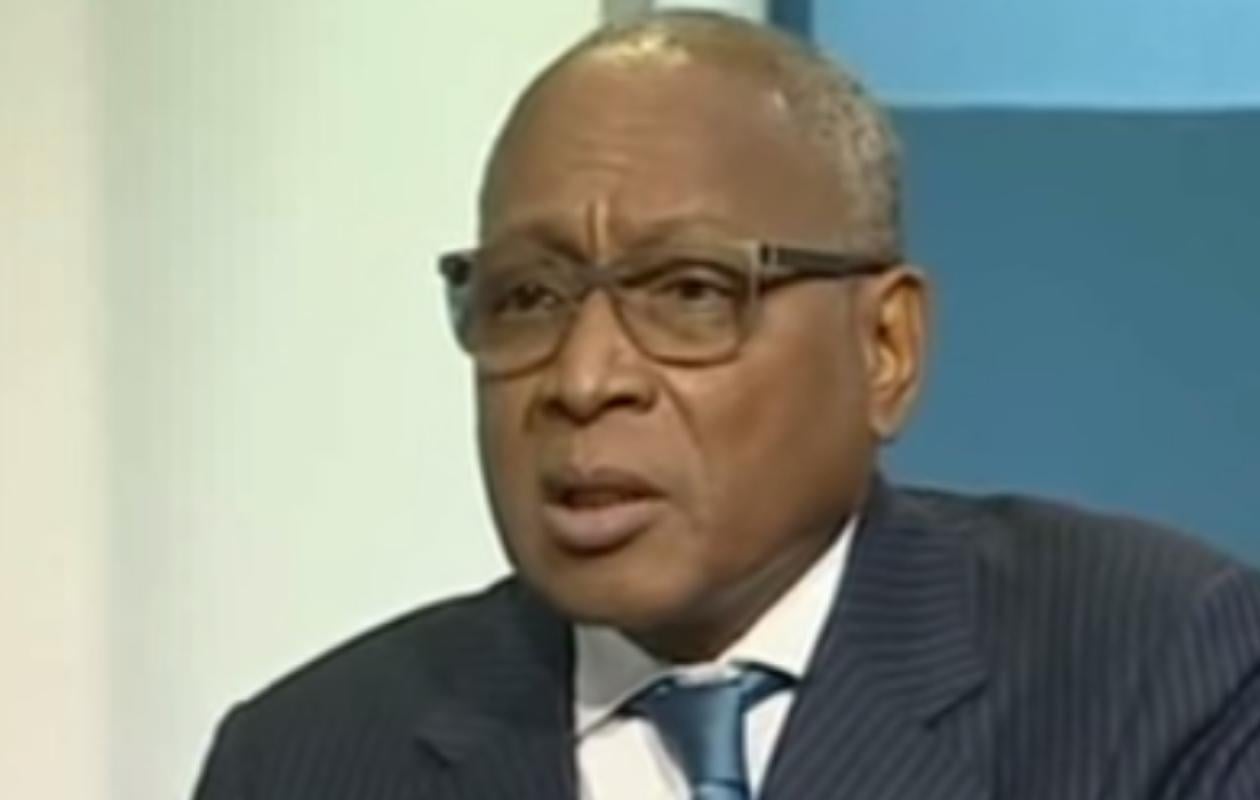
The recent statement by Finance Minister Cheikh Diba, in response to the Financial Times, deserves closer examination beyond the superficial commentary it has generated. It is, in fact, part of a strategic clarification of Senegal's economic policy, within an international context marked by tighter financial conditions and increased vigilance from technical partners and markets.
In essence, the minister's statement highlights a firm grasp of macroeconomic fundamentals, particularly regarding the sustainability of public debt, the budgetary trajectory, and the credibility of Senegal's sovereign creditworthiness. By reaffirming the government's commitments to budgetary discipline, the mobilization of domestic resources, and the rationalization of public spending, Cheikh Diba sends a clear signal to investors: Senegal remains committed to sound and responsible management of its public finances.
His stance towards the Financial Times is not insignificant. It reflects a desire to correct certain perceptions, sometimes biased or incomplete, about the country's economic situation. In an environment where rating agencies and the financial media strongly influence capital flows, this ability to defend, explain, and contextualize economic choices is essential. It directly contributes to preserving the state's financial credibility and controlling the cost of borrowing on international markets.
But beyond the technical aspects of the presentation, it is above all the communicative dimension that deserves praise. The deliberate choice to speak in Wolof represents a significant break with the usual practices of economic administration. It is an act of democratizing economic information. By making concepts such as the budget deficit, public debt, and tax decisions accessible, the minister contributes to strengthening citizens' understanding and ownership of public policies.
This approach is all the more relevant given that public understanding of budgetary issues is a fundamental lever of governance. An economic policy, however technically sound, can only be effective if it is understood, accepted, and promoted by citizens. In this respect, Cheikh Diba adopts an educational approach that brings the state closer to taxpayers and strengthens the transparency of public action.
Furthermore, this ability to simplify complex subjects without distorting their nature demonstrates a rare balance between technical expertise and social intelligence. It helps bridge the often-observed gap between public decision-makers and the non-French-speaking majority. In a country where Wolof remains the most widely understood language, this communication strategy appears not only relevant but essential.
Ultimately, through this intervention, Cheikh Diba establishes himself as a key player in strengthening Senegal's economic governance. He does not simply manage public finances; he explains them, justifies them, and integrates them into a framework of transparency and accountability. In a context of multiple economic challenges—pressure on public finances, growing social expectations, and demands from international partners—this dual technical and communication expertise undoubtedly makes him the right person for the job.
Thank you Baye Cheikh for this vision, this rigor, and this commitment to speaking to the people in a language they understand.
Dr. Cheikhabdou Lahad MBACKE
Doctor of Public Policy and Applied Macroeconomics; Specialist in Negotiation and Conflict Management

















Commentaires (15)
Participer à la Discussion
Règles de la communauté
💡 Astuce : Utilisez des emojis depuis votre téléphone ou le module emoji ci-dessous. Cliquez sur GIF pour ajouter un GIF animé. Collez un lien X/Twitter, TikTok ou Instagram pour l'afficher automatiquement.
Se connecter
Commentez avec votre profil, votre photo, et soyez averti des réponses.