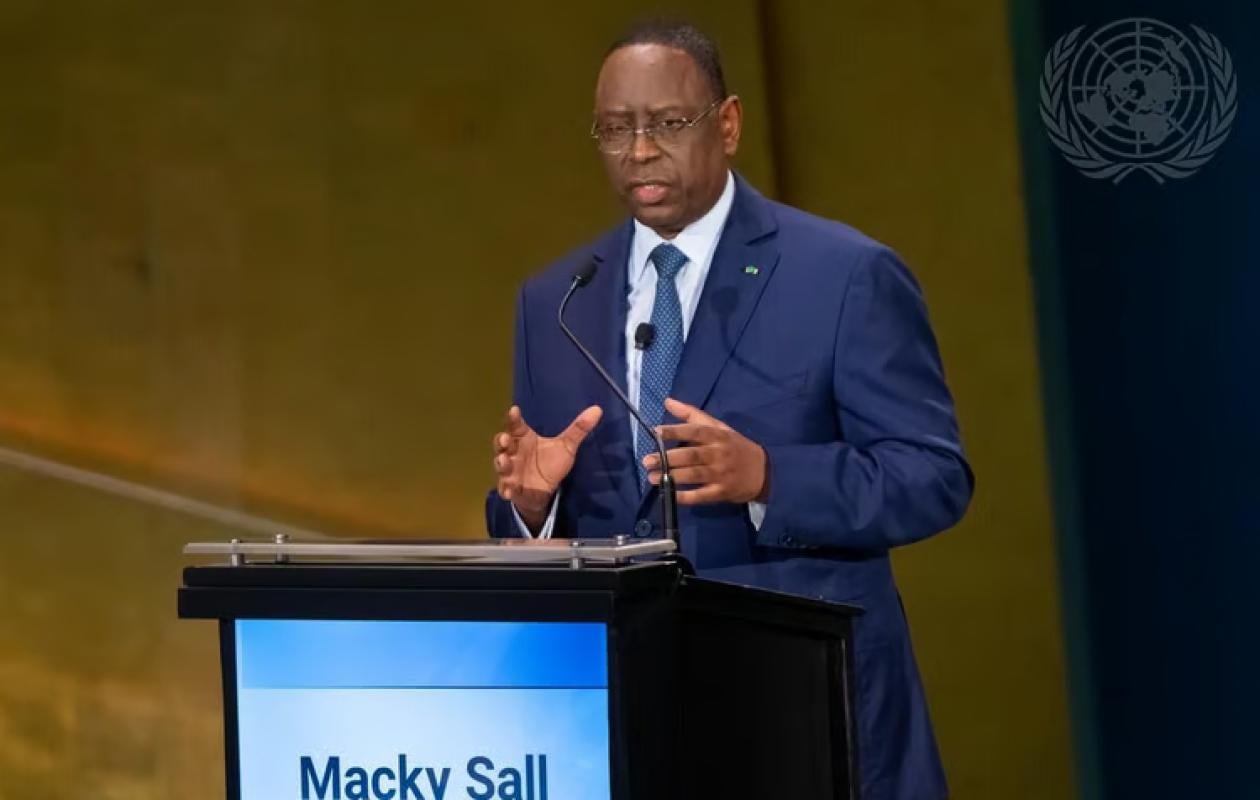
Macky Sall à l’ONU : candidature ou blanchiment ?
President Macky Sall withdrew his candidacy for the position of UN Secretary-General last Saturday. The former Senegalese head of state stated that he wanted to favor a consensus candidate. This argument is convenient for someone who had no prospect of winning. Indeed, in every vote, he consistently finished near the bottom. Failure was therefore inevitable. By withdrawing his candidacy, Macky Sall demonstrated a final, if not belated, lucidity. But as the saying goes, better late than never.
But perhaps the real issue lay elsewhere. This candidacy might not have been a genuine candidacy at all, but simply a strategy to whitewash his past. In his reaction, Aliou Sall, Macky Sall's brother, declared that "it's already a great victory to be among the five people in the world likely to be elected to head the United Nations." The candidacy would therefore seem to aim at improving his image after this deadly crackdown and, at the same time, at gaining a global influence he doesn't currently possess. Regardless of the outcome, the essential point is to have convinced others that he has the stature of a UN Secretary-General. One could even elaborate at length on this "thing" called the UN and the influence of its leader.
In truth, the contest should never have begun, as Macky Sall had no chance of becoming UN Secretary-General. Beyond the fact that female candidates and those from South America were favored, for reasons of expediency, the seeds of defeat lay in Macky Sall's own candidacy. To be UN Secretary-General, one needs strong support, a solid diplomatic network, and, of course, personal credibility.
But what network does Macky Sall have to hope to reach this position? Since his candidacy was initially supported neither by the African Union nor by his own country, he became de facto the Burundian candidate, a country with very little influence. Despite all efforts to rally the continent, this candidacy never truly represented Africa. Macky Sall was left to rely on his personal network. However, the truth is that this network is not extensive. To be convinced of this, one only needs to look at his diplomatic record.
It is true that, during his rotating presidency of the African Union, he demonstrated a proactive approach by addressing many critical issues. He traveled to Moscow to meet with Russian President Vladimir Putin to ensure that the war would not hinder the delivery of grain, as this would be disastrous for African countries. However, the outcome was mixed. He made commitments on major issues, such as securing a permanent seat for Africa on the UN Security Council. He also distinguished himself on the subject of global finance, which led him to encourage the creation of the African Credit Rating Agency.
But if his voice carried weight on all these issues, it was because he was the Chairperson of the African Union. He embodied the voice of the continent. Once that term ended, he returned to being the President of a small country called Senegal, even though his diplomatic influence in the past is often celebrated. Let's look at this recent diplomatic history. As President of Senegal, Macky Sall supported Professor Abdoulaye Bathily's candidacy for the Chairperson of the AU Commission. The presidential plane and all diplomatic resources were placed at his disposal. But in the end, Senegal was soundly defeated by Chad under Idriss Déby Itno. Moussa Faki Mahamat was elected over Bathily.
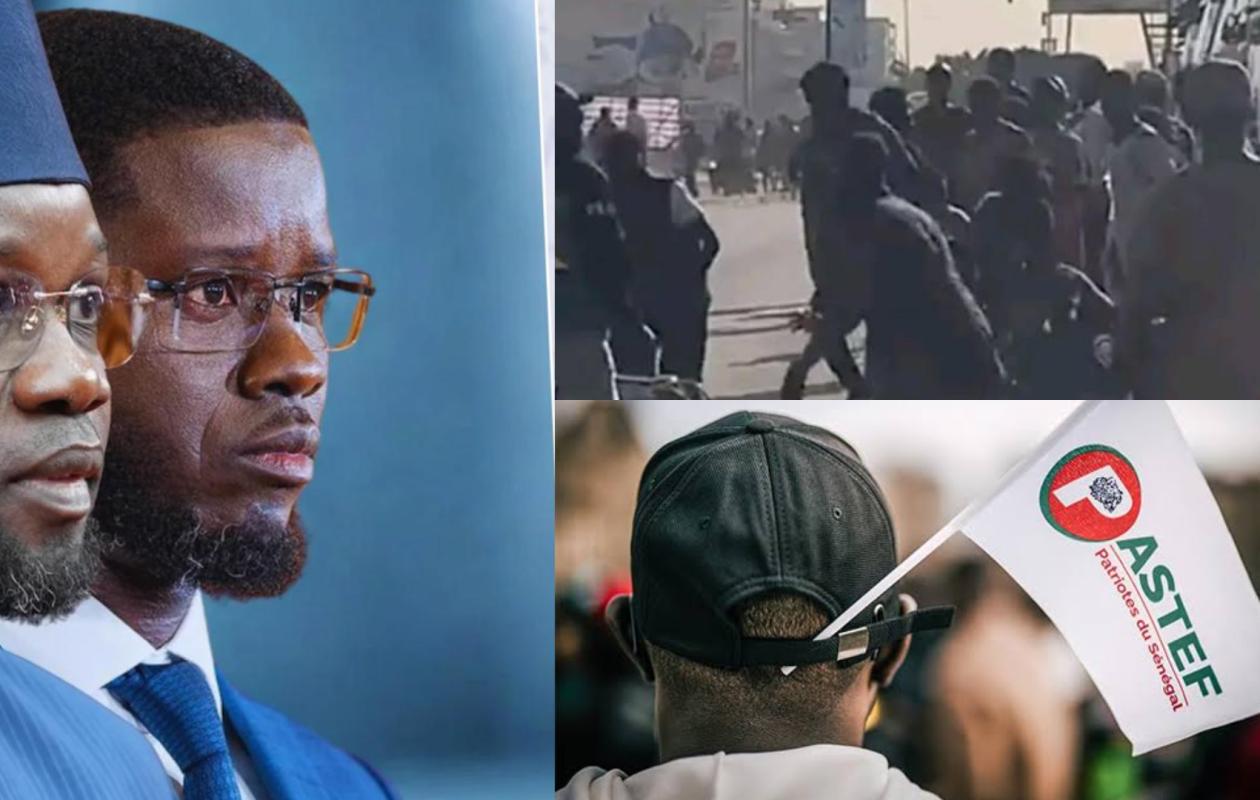
During Macky Sall's presidency, Senegal held no significant positions on the continent, neither at the African Development Bank nor the ECOWAS Commission. Its few successes were largely confined to the WAEMU region. This raises the question: how can a president who cannot secure the AU Commission presidency claim to possess the necessary network of influence to become UN Secretary-General? His country's belated support yielded no results. And it was clear that the diplomacy of Pastef-Kiiray, which also lost the AfDB presidency, could not offer any added value to the UN.
Macky Sall certainly thought he could count on Paris. He miscalculated! France, which has shrunk to a mere African power, is now in decline. France and Europe no longer carry weight on the international stage. The wars in Ukraine and Iran perfectly illustrate this. In the first case, Europeans depend on the Americans for their protection; in the second, they are simply spectators. Added to this structural reality is another, more circumstantial one: France's support is primarily that of an unpopular and outgoing French president, a president struggling to manage his country's internal situation and failing to make any real progress on major European issues.
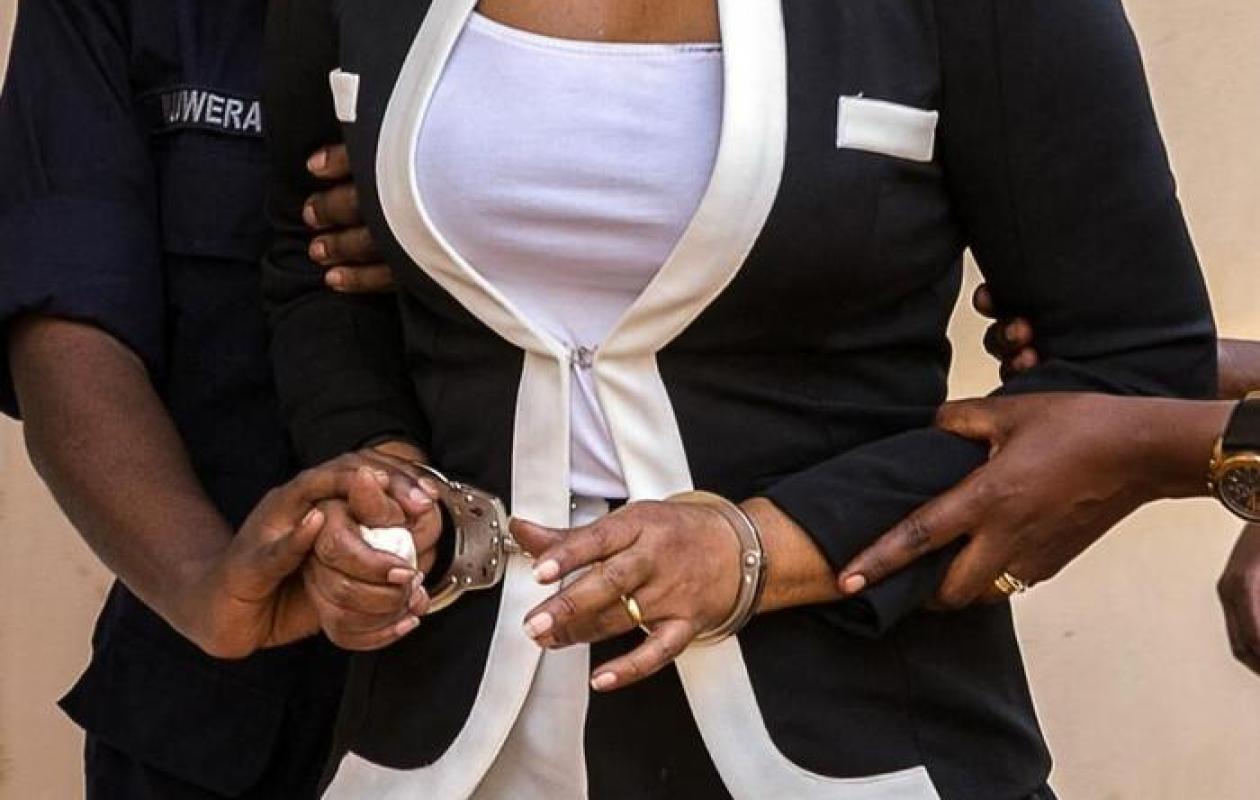
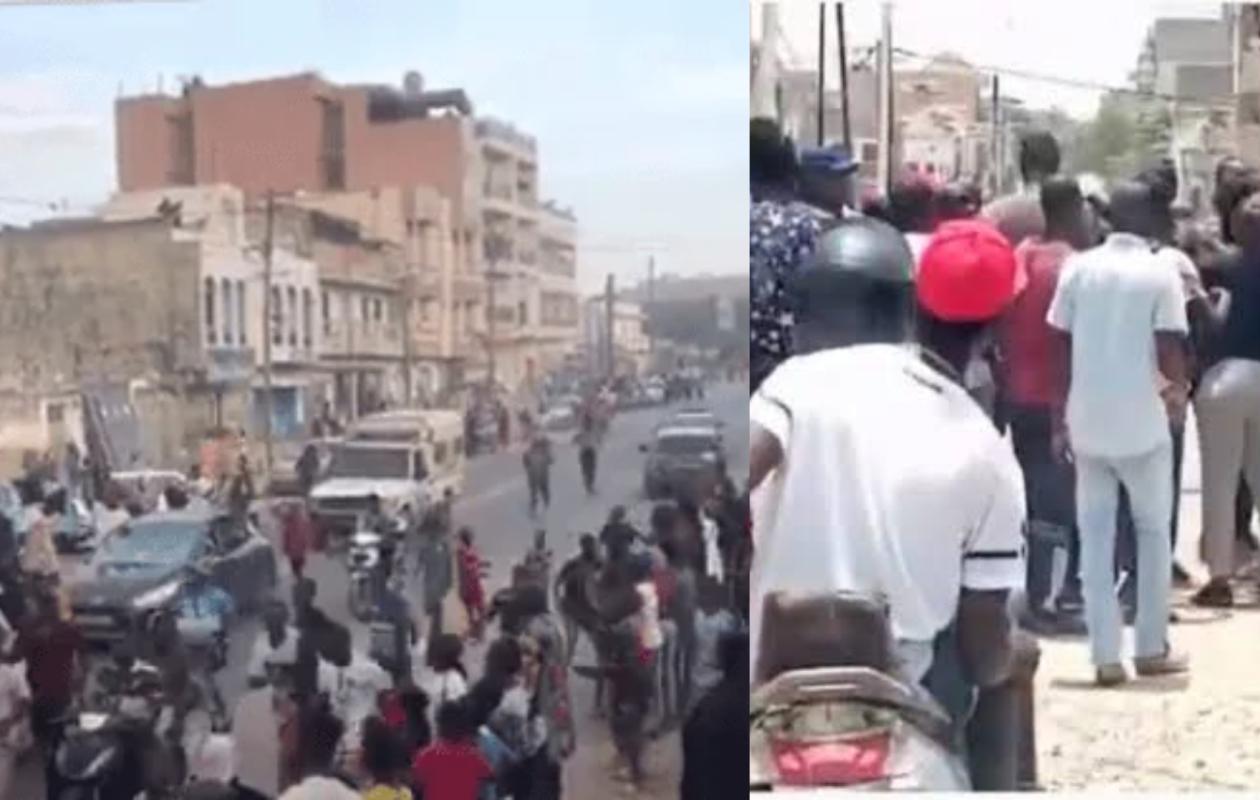
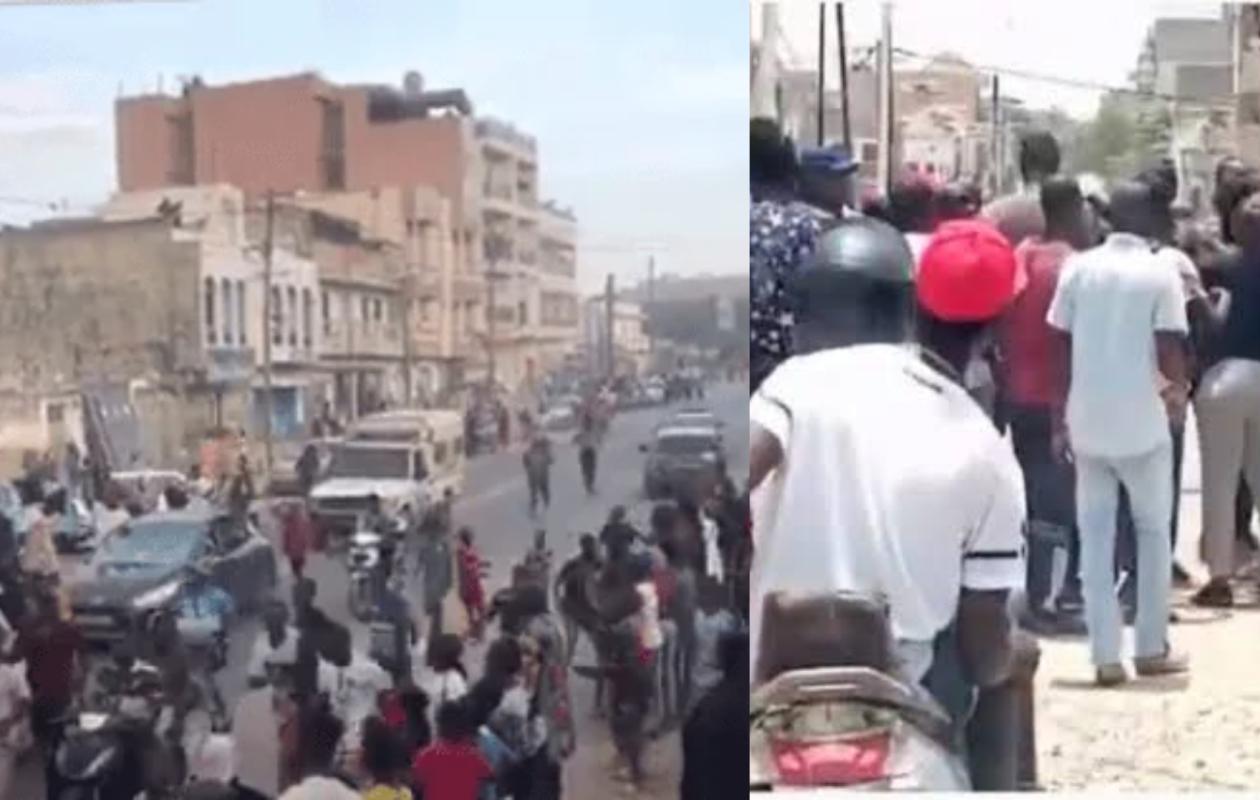
Politically, Macky Sall is anything but a good example. As president, he brutally repressed demonstrations between 2021 and 2024. While some believe this pressure was justified by the opposition he faced, let's look at the cases of Karim Wade and Khalifa Sall. Wade's son was convicted in 2015 of illicit enrichment and fined 138 billion CFA francs. He was pardoned by Macky Sall, who thus decided to forgo such a substantial sum.
And it was this same head of state who, in 2018, sued Khalifa Sall for 1.8 billion. How can we explain a president forgoing 138 billion to pursue 1.8 billion? The explanation, of course, lies in the desire to eliminate a presidential opponent. Which he did. And immediately after his "victory" in 2019, Macky Sall pardoned Khalifa, who hadn't even requested it.
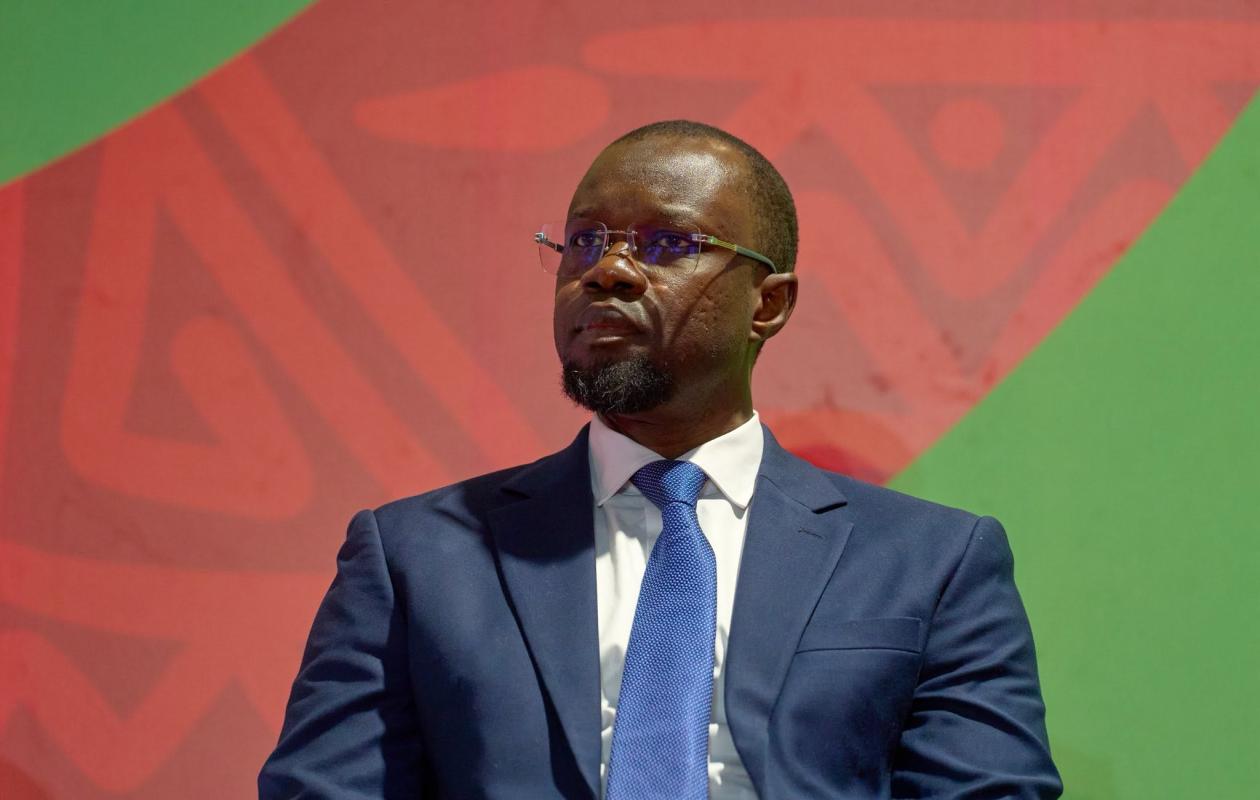
This conviction completely altered Khalifa Sall's political trajectory. By demonstrating courage in the face of street vendors, particularly in Sandaga, the former mayor of Dakar had gained considerable notoriety. His conviction, followed by his removal from the Dakar municipal council, precipitated his political downfall. And in 2024, Macky Sall did the same to Ousmane Sonko. One thing is certain: if Wade had acted like him, he would never have become president. Adding to Macky's record is the attempt to postpone the presidential election to 2024, not to mention the third term he renounced under pressure, not of his own free will, as he claims. To be convinced of this, one only needs to consider the treatment meted out to those who spoke out against this candidacy and the fate of those who supported it. The former were punished, and the latter were endorsed.
And it is this "democrat" who aspires to lead the UN. Perhaps rightly so, because after all, the UN is also a jungle where the strong crush the weak without any due process.











Commentaires (14)
À l’horizon des six prochains mois, la vie politique française pourrait connaître une nouvelle phase de recomposition, susceptible de marquer la fin du cycle de pouvoir incarné par Emmanuel Macron. Une telle évolution ne manquerait pas d’avoir des répercussions sur les relations politiques et diplomatiques entretenues avec certains dirigeants africains, dont les stratégies et les alliances pourraient être amenées à se redéfinir face aux nouvelles réalités politiques.
Au-delà des frontières nationales, une dynamique de transformation portée par la jeunesse mondiale semble remettre en question les fondements traditionnels de l’autorité, les pratiques institutionnelles héritées du passé et les mécanismes de légitimation du pouvoir. Cette aspiration au changement traduit une exigence croissante de responsabilité, de transparence, de justice et de participation citoyenne.
Dès lors, les modèles de gouvernance fondés sur la personnalisation du pouvoir, la manipulation de l’opinion ou la démagogie apparaissent de plus en plus fragilisés. Les sociétés contemporaines expriment une volonté de rupture avec les pratiques politiques qui ne répondent plus aux aspirations profondes des peuples.
L’enjeu historique ne réside donc pas uniquement dans l’alternance des dirigeants, mais dans la transformation durable de la conception même du pouvoir. Car aucune autorité ne peut prétendre à une légitimité pérenne si elle ne repose sur la confiance des citoyens, le respect des institutions et la capacité à répondre aux exigences de son époque.
En définitive, la jeunesse mondiale ne revendique pas seulement un changement de gouvernants : elle interpelle les consciences, remet en cause les certitudes établies et pose une question fondamentale à nos systèmes politiques : le pouvoir doit-il continuer à se perpétuer pour lui-même, ou doit-il enfin se mettre pleinement au service des peuples ?
Participer à la Discussion
Règles de la communauté
💡 Astuce : Utilisez des emojis depuis votre téléphone ou le module emoji ci-dessous. Cliquez sur GIF pour ajouter un GIF animé. Collez un lien X/Twitter, TikTok ou Instagram pour l'afficher automatiquement.
Se connecter
Commentez avec votre profil, votre photo, et soyez averti des réponses.