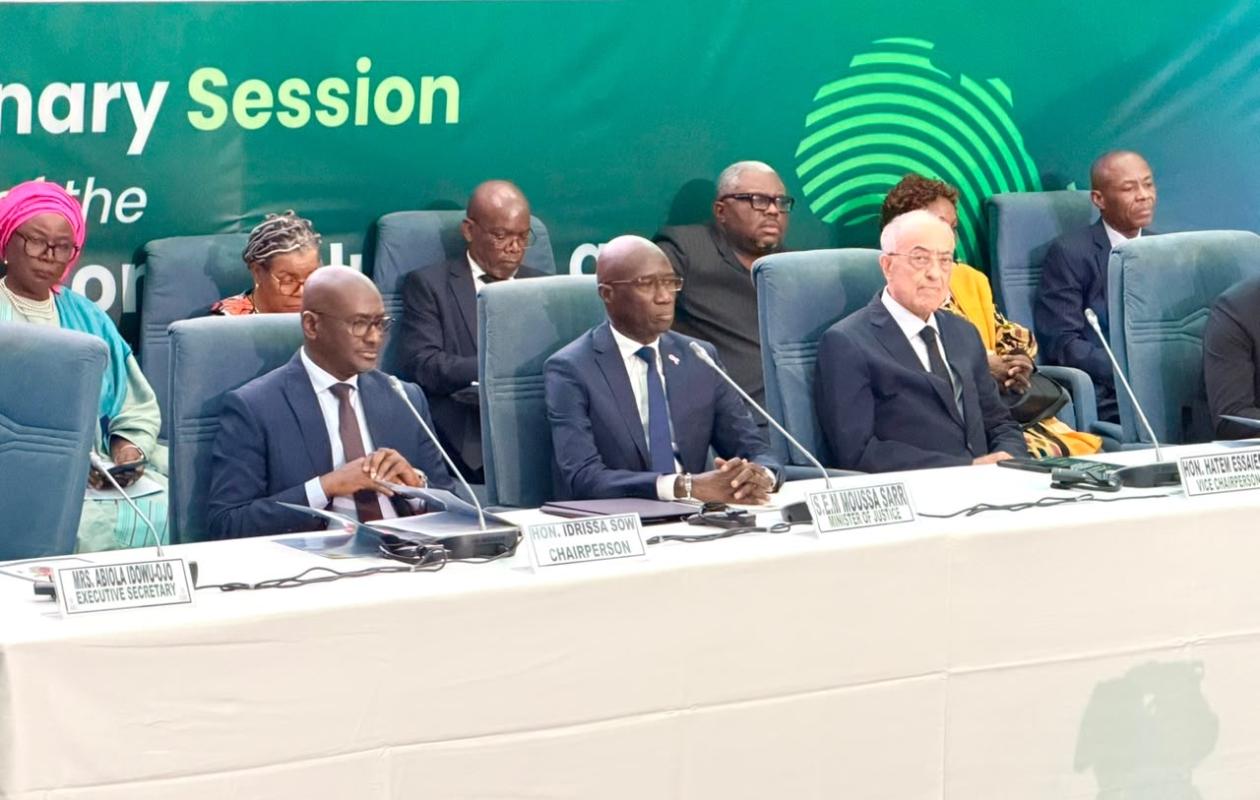
Ouverture de la 89e session de la CADHP : Me Moussa Sarr plaide pour l'effectivité des droits de l'homme
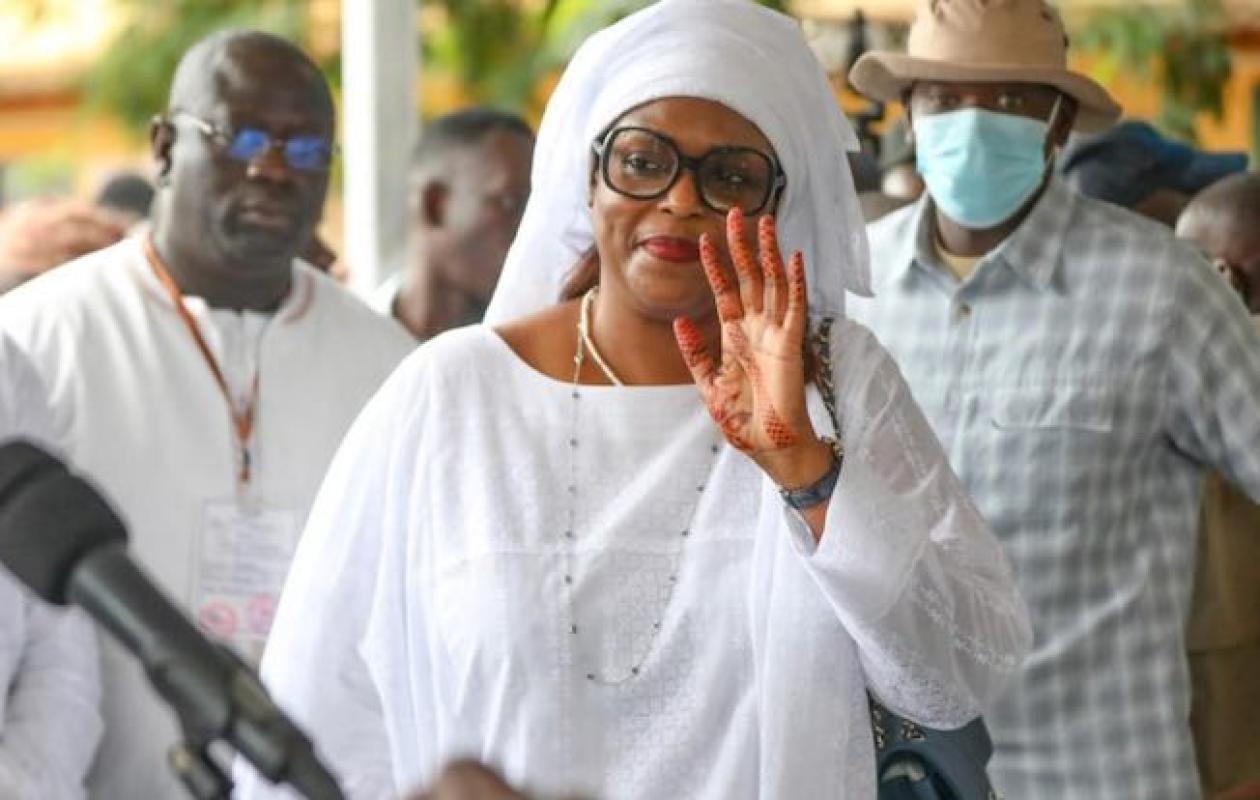
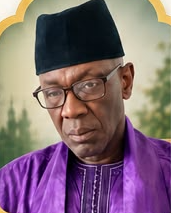
The 89th Ordinary Session of the African Commission on Human and Peoples' Rights (ACHPR) opened this Monday at the King Fahd Palace Hotel in Dakar. The Minister of Justice, Keeper of the Seals, Moussa Sarr, delivered the opening address on behalf of the President of the Republic, Bassirou Diomaye Diakhar Faye. He addressed, in particular, the Chairperson of the Commission, Dr. Idrissa Sow, the Commissioners, the State Delegates, and the representatives of civil society.
The Minister dedicated this session to a double anniversary: the fortieth anniversary of the entry into force of the African Charter on October 21, 1986, and the forty-fifth anniversary of its adoption in Nairobi on June 27, 1981. He recalled that the history of the text began in Dakar, where African experts met from November 28 to December 8, 1979, to draft the preliminary version, under the chairmanship of Judge Kéba Mbaye, then First President of the Supreme Court of Senegal. He paid tribute to Judge Mbaye, as well as to Judges Youssoupha Ndiaye and the late El Hadji Guissé. He added that Dakar had hosted the Commission's second session in 1988.
Lawyer Moussa Sarr described a challenging context: questioning of multilateralism, pressure on members of the International Criminal Court, security crises in the Sahel, conflicts in the Middle East and Ukraine, and climate change. According to him, these tensions are delaying the realization of human rights. He drew on regional history, citing the Charter of Manden in the 13th century and the revolution of Thierno Souleymane Baal in Fouta Toro in the 18th century, to assert that "there are no human rights without an accountable government."
Believing that Africa now has standards and institutions, the minister raised the question of their effectiveness and submitted five priorities for the participants' consideration:
The minister also expressed his hope that the Charter would be taught in schools, explained in national languages, and familiar to the defense and security forces. He noted that President Faye is the current Chairman of ECOWAS, whose Court of Justice has built a substantial body of human rights jurisprudence. He reaffirmed Senegal's commitment to the universality and indivisibility of human rights, as well as its support for the Commission, and mentioned 2028, the year the African Union will dedicate to human rights. He concluded by declaring the 89th session open: "The generation before us deserves credit for having established the norm. Ours bears the responsibility of upholding the law."











Commentaires (0)
Participer à la Discussion
Règles de la communauté
💡 Astuce : Utilisez des emojis depuis votre téléphone ou le module emoji ci-dessous. Cliquez sur GIF pour ajouter un GIF animé. Collez un lien X/Twitter, TikTok ou Instagram pour l'afficher automatiquement.
Se connecter
Commentez avec votre profil, votre photo, et soyez averti des réponses.