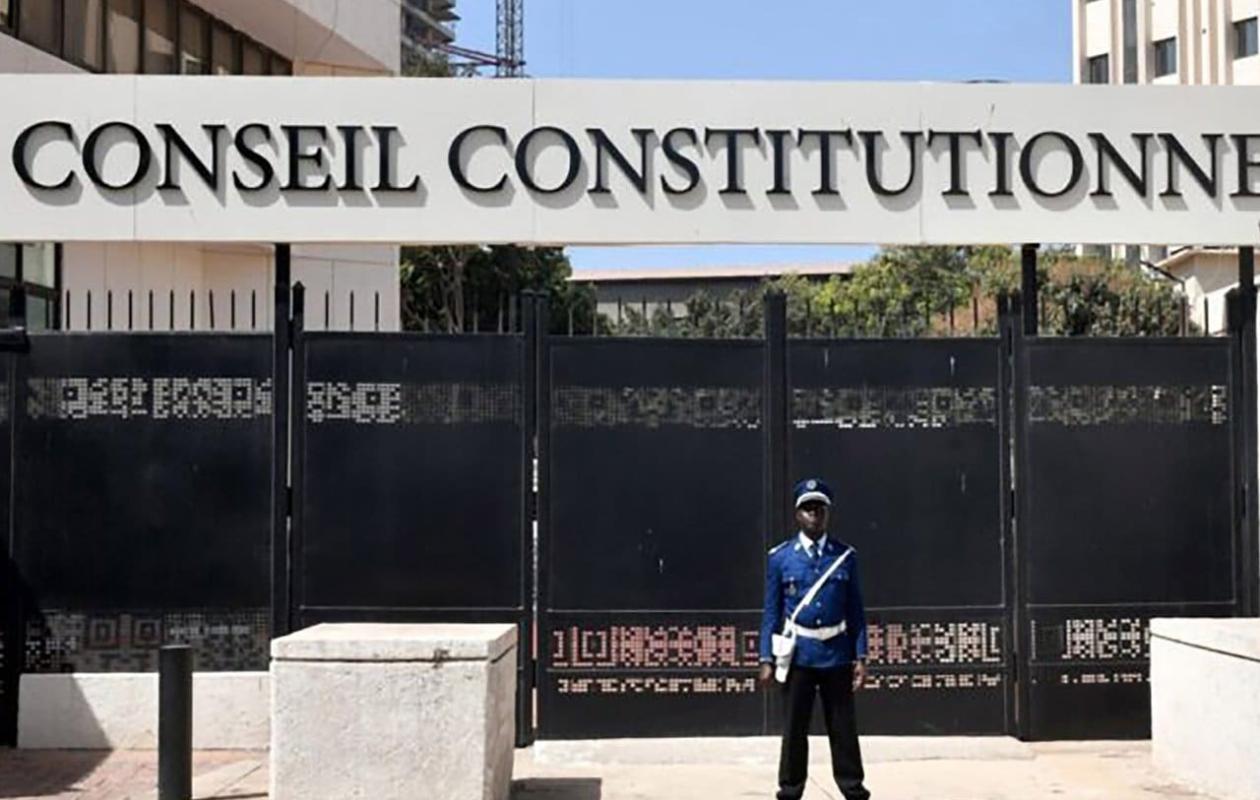
Règlement intérieur de l'Assemblée nationale : Le Conseil constitutionnel censure la perte de mandat pour absences répétées
On August 27, 2026, the President of the Republic referred a request to examine the constitutionality of "the organic law amending Article 118 of the Rules of Procedure of the National Assembly." The Constitutional Council issued its decision on September 7, 2026. While the high court ruled that "the referral to the Constitutional Council was valid" and that "the procedure for adopting the law was valid," it nevertheless invalidated several key provisions of the text adopted by the deputies on May 8, 2026.
The central point of this censure concerns the sanction of losing a parliamentary mandate for absenteeism. In its reasoning, the Council recalls that only "Articles 60 and 61, paragraph 5, of the Constitution sanction, by the loss of their mandate, a member of parliament who resigns from their party during their term of office, as well as one who is the subject of a final criminal conviction." Therefore, the constitutional judges conclude that the provision stipulating the forfeiture of the mandate "in the event of absence from ten (10) consecutive plenary sessions followed by a vote" establishes "a case of loss of parliamentary mandate resulting from a sanction not provided for by the fundamental law" and is, consequently, "contrary to the Constitution."
Consequently, the Council also annulled the provisions relating to the "automatic resignation" contained in the challenged law. However, noting that these articles declared unconstitutional "are separable from the rest of the text," the court declared the other provisions of the organic law to be in conformity with the Constitution, subject to respect for the "principle of equality of citizens before the law" in the drafting of the General Instructions of the Bureau intended for members of parliament elected abroad.






















Commentaires (31)
Je comprends pourquoi Diomaye parlait d'institutions qui sont supérieures à la légitimité populaire! Il pensait certainement à ces censeurs que sont la Cour suprême et le Conseil constitutionnel, dont les membres sont nommés par le Président himself. Je ne suis pas un juriste, cependant je constate que ce qui se passe au Sénégal entre l'AN, Diomaye et le CC ne fait pas democratie car la séparation des pouvoirs est comme une illusion: l'exécutif et le judiciaire semblent se liguer contre le législatif; le judicaire à travers le CC balkanise le législatif et le rend à la limite ridicule.
Cette loi n'est dirigée à mes yeux contre personne sauf incité le travail !
Peut-etre une révision est possible de la loi constitutionnelle simplement et on avance.
Pourquoi de nouvelles lois si la Constitution est si parfaite pour régir notre existence?
Pastef doit bloquer tous les projets de loi du Gouvernement pour une question de réciprocité car je constate que ceux ci n'ont aucun problème avec le Cc.
Participer à la Discussion
Règles de la communauté
💡 Astuce : Utilisez des emojis depuis votre téléphone ou le module emoji ci-dessous. Cliquez sur GIF pour ajouter un GIF animé. Collez un lien X/Twitter, TikTok ou Instagram pour l'afficher automatiquement.
Se connecter
Commentez avec votre profil, votre photo, et soyez averti des réponses.