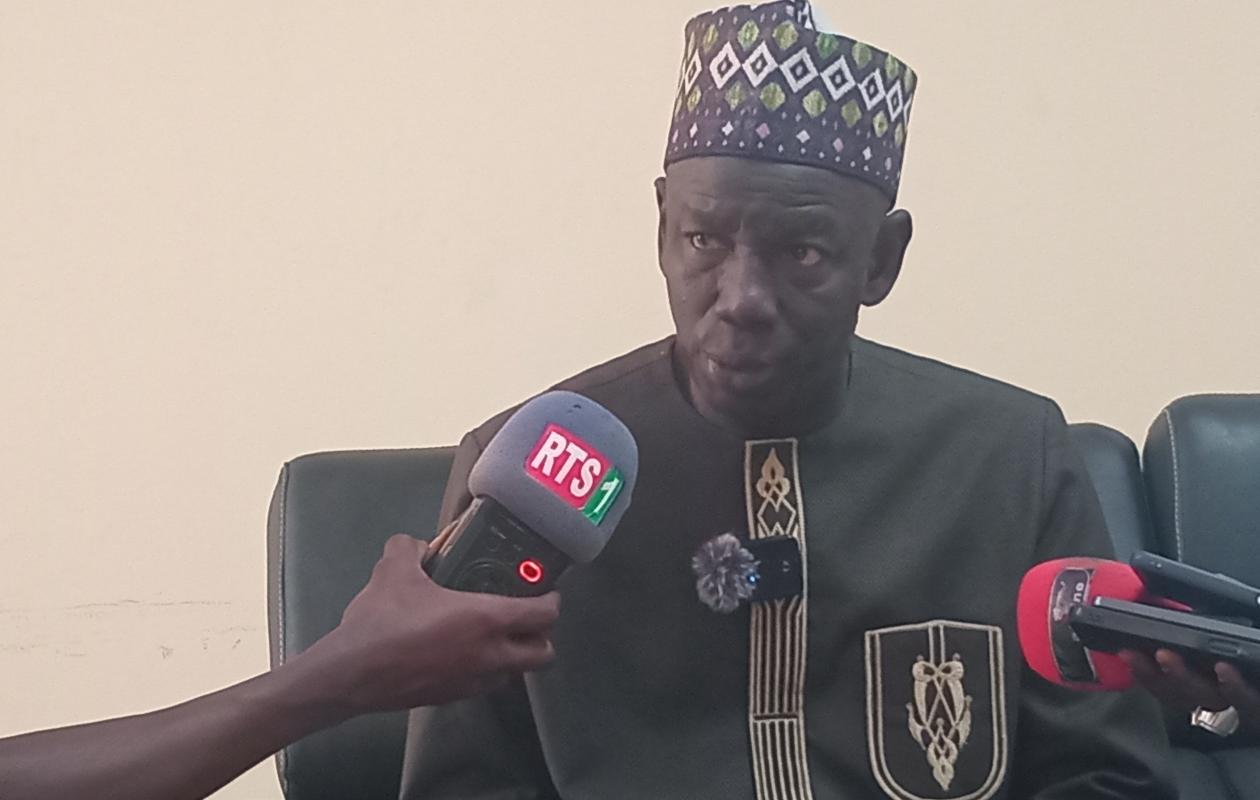
Acte 4 de la décentralisation : Abdoulaye Wilane, président du Conseil départemental de Kaffrine met en garde contre des réformes « précipitées »
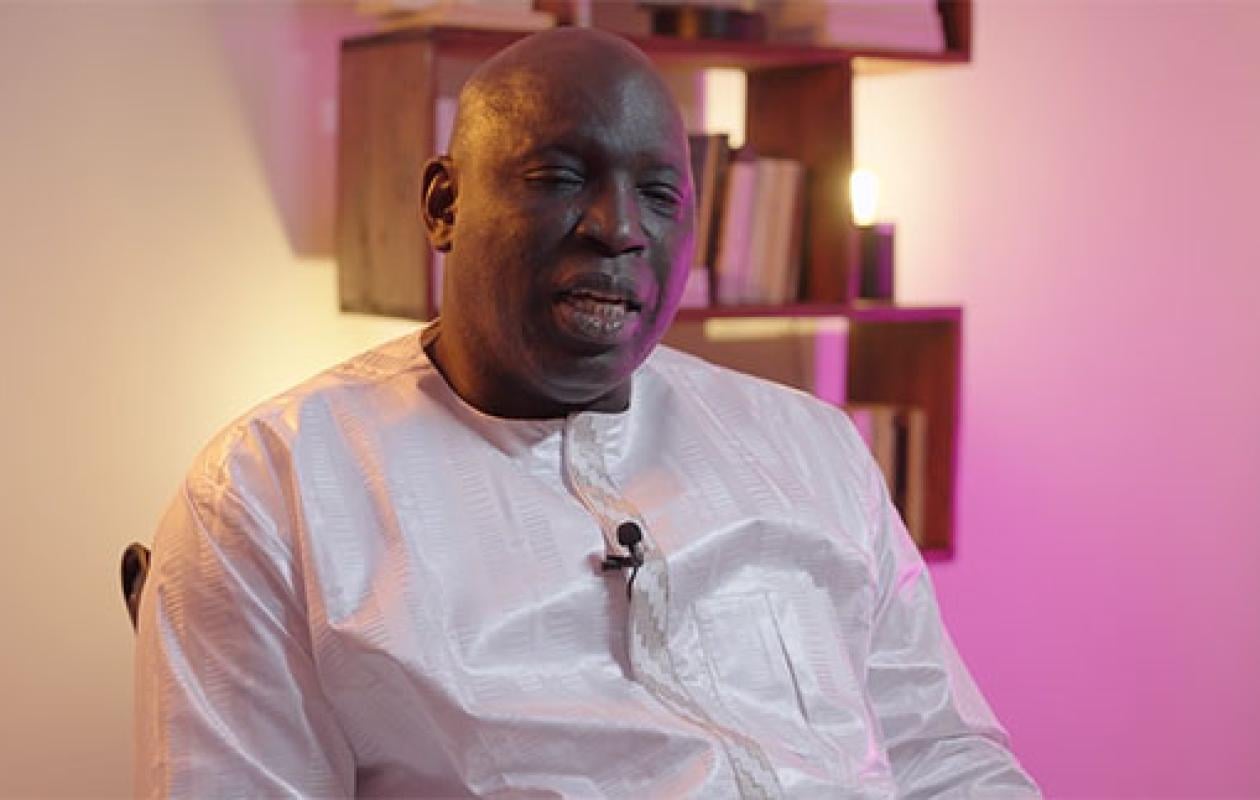
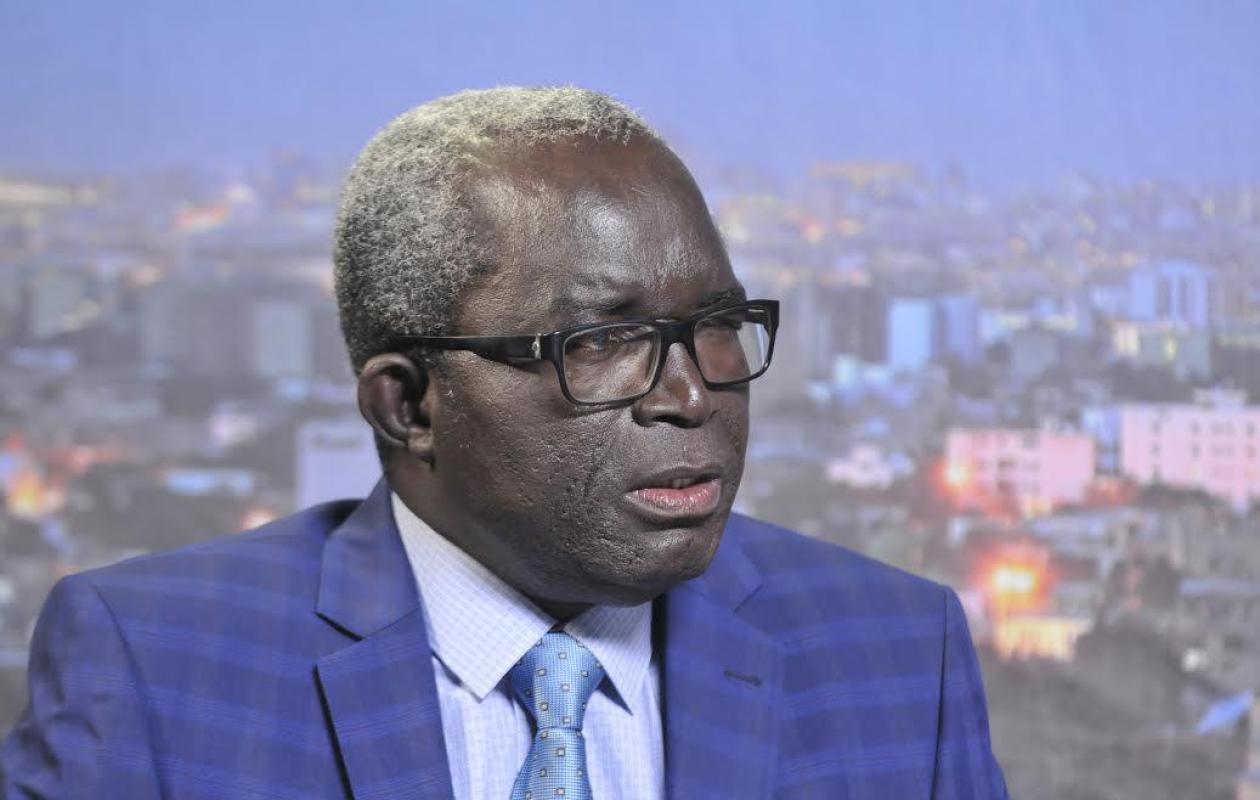
As consultations on the fourth phase of decentralization fuel public debate, Abdoulaye Wilane, President of the Kaffrine Departmental Council, advocates for a thoughtful approach to institutional and territorial reforms. He believes that certain changes may be necessary, but they must be prepared methodically and with a clear understanding of the process.
"I am among those who believe that the economy of certain reforms can be useful. But for a reform to be viable, the populations must be seriously prepared and sensitized," he said.
Historically prepared reforms
Looking back on the history of major reforms in Senegal, the elected official recalls that significant decisions have always been preceded by lengthy deliberations. "When we passed the law on national land, it was a reform even more revolutionary than those proposed by some communists at the time. Similarly, the Family Code and the status of women were ahead of their time," he emphasizes.
According to him, these advances were made possible thanks to thorough preliminary work. "These reforms were studied at length in order to adapt them to the realities and rights of the Senegalese people," he explains.
In this context, he also points out that decentralization was built up gradually under several regimes, notably those of Léopold Sédar Senghor, Abdou Diouf and Abdoulaye Wade.
"Decentralization has never been carried out in haste. Under President Senghor, with Act I and the 1972 reform, and then with the following stages, the reforms have always been the subject of a long maturation process," he explains.
The question of the viability of municipalities
Abdoulaye Wilane believes, however, that the current discussion must also take into account the viability of local authorities, particularly in departmental capitals.
"What I see today is that in all departmental capitals, there is a need to extend the municipal perimeter to ensure their viability and allow them to take charge of major development and planning issues," he says.
To illustrate his point, he cites the example of the city of Kaolack, which faces urbanization challenges. "If you want to combat flooding, you have to relocate some homes and create new neighborhoods. But if the municipal boundaries don't allow for that, how are you going to do it?" he asks.
The debate on reducing the number of municipalities
In discussions on territorial reform, some stakeholders are proposing to reduce the number of municipalities in Senegal. "Some of my colleagues are proposing to reduce the number of municipalities. Instead of the current 555 municipalities, they would like to return to fewer than 200 municipalities by aligning them with the districts," he says.
He points out, however, that in the current organization, the city is also recognized as a territorial authority.
Defending the role of the department
Faced with proposals to abolish departments, the president of the Kaffrine Departmental Council defends their continued existence. "Some even want to abolish departments, keeping only municipalities and then move towards territorial hubs," he explains.
He is, however, pleased with the position expressed during the feedback session on the consultations organized at the CICAD. "Fortunately, during the feedback session organized at the CICAD, the minister publicly stated that the department will be maintained, but with a reform," he emphasizes.
For him, the solution lies rather in strengthening the powers of this local authority. "We must strengthen the prerogatives and powers of the departments and give them their own taxation, as is the case for cities. The department must become a true local authority, with an executive elected by direct universal suffrage," he argues.
Towards a special status for certain cities
Finally, Mr. Wilane raised the possibility of granting special status to certain localities, notably Touba. "I think we should also consider creating special municipalities. I'm thinking in particular of Touba. To date, Touba does not function like a typical municipality, as stipulated by law. It's a unique situation," he explained.
Thus, for him, "we must take the necessary time to reflect deeply on these reforms. There is no point in making hasty reforms that could create new problems."














Commentaires (1)
Participer à la Discussion
Règles de la communauté
💡 Astuce : Utilisez des emojis depuis votre téléphone ou le module emoji ci-dessous. Cliquez sur GIF pour ajouter un GIF animé. Collez un lien X/Twitter, TikTok ou Instagram pour l'afficher automatiquement.
Se connecter
Commentez avec votre profil, votre photo, et soyez averti des réponses.