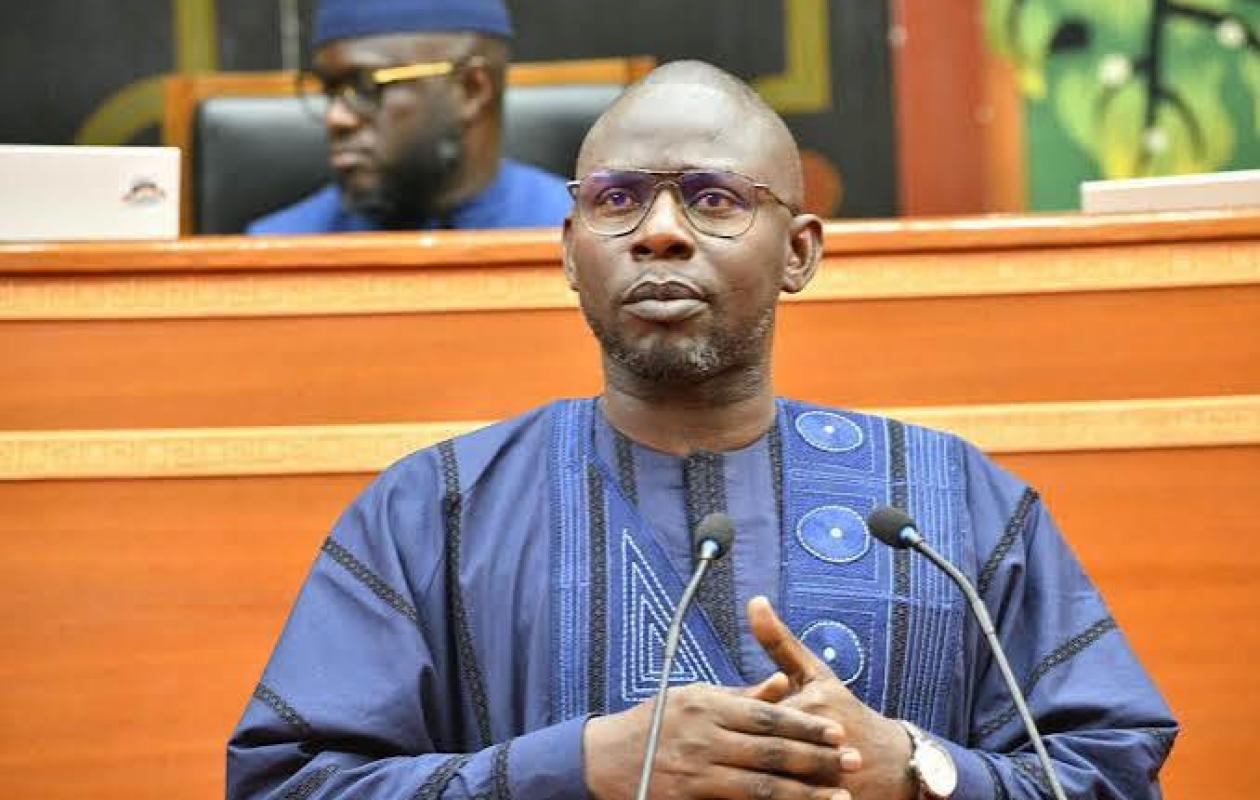
Assemblée nationale : Ismaïla Diallo dénonce « une séparation des pouvoirs déséquilibrée »
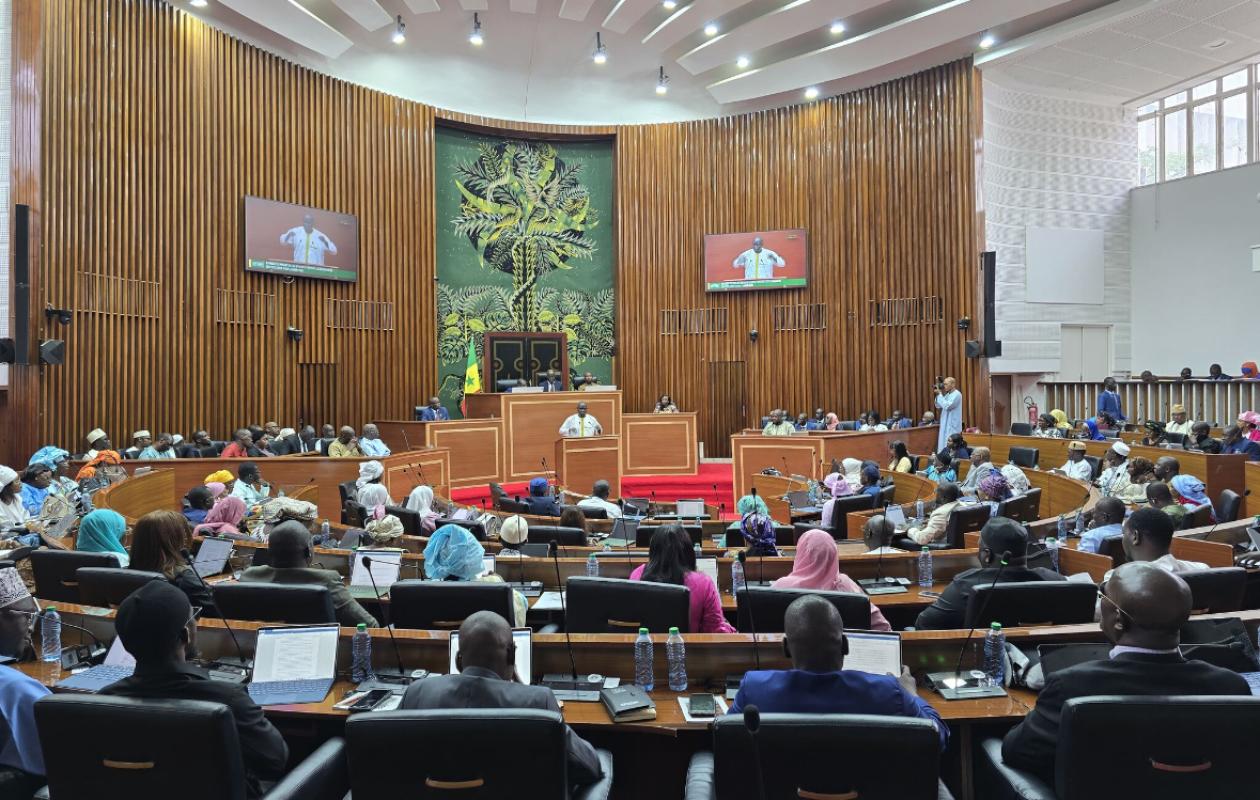
The Senegalese Constitution enshrines the principle of the separation of powers. However, an analysis of several of its institutional mechanisms raises a fundamental question: does the current functioning of the institutions truly guarantee a balance between the Executive and Parliament?
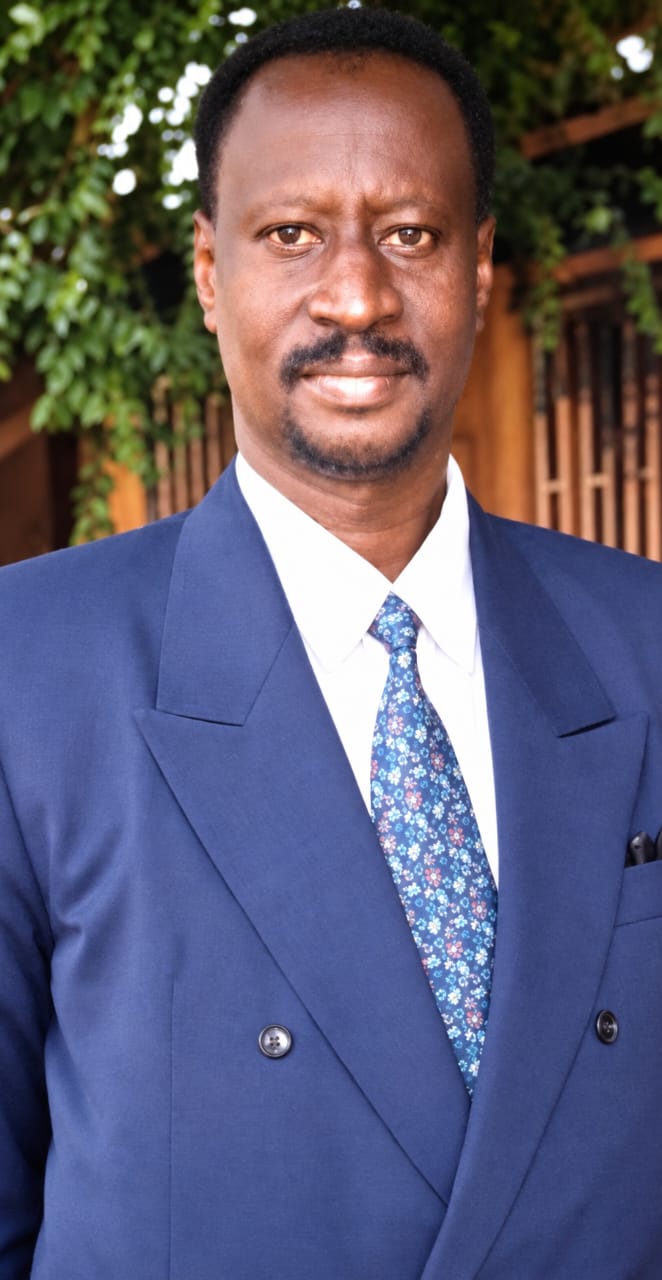
In an opinion piece devoted to this issue, the 3rd vice-president of the National Assembly points to a structural imbalance in the Constitution which largely favours the Executive at the expense of Parliament.
According to Dr. Ismaïla Diallo, several constitutional provisions give the Executive significant means of action on parliamentary work and on the institutional balance.
To support his analysis, the MP cites, in particular, Article 83, which allows the government to oppose a bill or amendment when it deems it to fall within the regulatory domain. He also cites Article 82, concerning the "blocked vote," which allows the government to request that the National Assembly vote on all or part of a text in a single vote, accepting only the amendments it approves.
Another major lever mentioned by the parliamentarian is the dissolution of the National Assembly, provided for by Article 87 of the Constitution. This presidential prerogative, he argues, constitutes an important element in the balance of power between the two institutions.
In return, Parliament has at its disposal, in particular, the motion of censure, provided for in Article 86, which allows the National Assembly to challenge the government's responsibility. But this procedure, he says, is subject to strict constitutional conditions, which in practice limits the frequency and methods of its use.
The MP is also interested in the constitutional revision, framed by article 103, as well as the role of the Constitutional Council, whose decisions, in accordance with article 92, are not subject to any appeal.
According to Dr. Diallo, these provisions, considered separately, can each be justified by the need to ensure the stability and functioning of institutions. However, their combination could, in his view, produce a structural imbalance in favor of the Executive. "Do we truly have a separation of powers, or a separation of powers unbalanced by the Constitution itself?" he asks.
Beyond the legal debate, the parliamentarian calls for this discussion to be framed within a perspective of democratic consolidation. He insists that this issue should not be directed against any individual or political majority, but rather should focus on Senegal's institutional architecture and the guarantees that enable Parliament to fully exercise its prerogatives.
The question of the balance of powers thus appears as a central issue for Senegalese democracy. For the member of parliament, a strong democracy does not rest solely on the existence of separate branches of government, but on the capacity of each branch to fully exercise its prerogatives, to oversee the others, and to participate, in a truly balanced way, in the governance of the nation.














Commentaires (12)
Vous êtes sortis du cadre normal du jeu des institutions. Vous êtes dans le détournement de pouvoir . Et les institutions vous arrêteront
Demander un contrôle des fonds publics confiés au Président pour des dépenses spéfiquement en lien avec les intérêts du Sénegal, vous appelez ça vendetta?
Dites nous quelles propositions de loi ou actions les Parlementaires ont posées qui s'apparentent à de la Vendetta?
Participer à la Discussion
Règles de la communauté
💡 Astuce : Utilisez des emojis depuis votre téléphone ou le module emoji ci-dessous. Cliquez sur GIF pour ajouter un GIF animé. Collez un lien X/Twitter, TikTok ou Instagram pour l'afficher automatiquement.
Se connecter
Commentez avec votre profil, votre photo, et soyez averti des réponses.