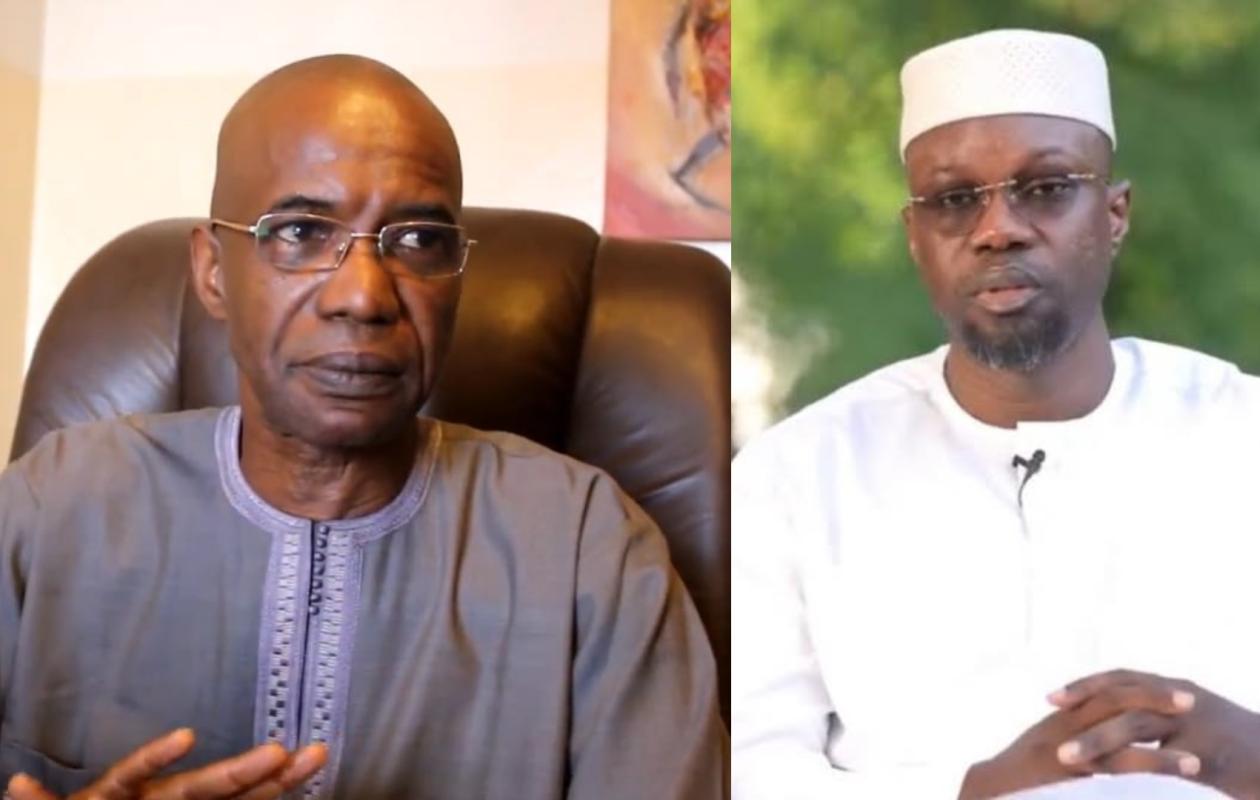
«Climat de terreur» : Mamadou Ibra Kane liste les «sept péchés capitaux» de Sonko
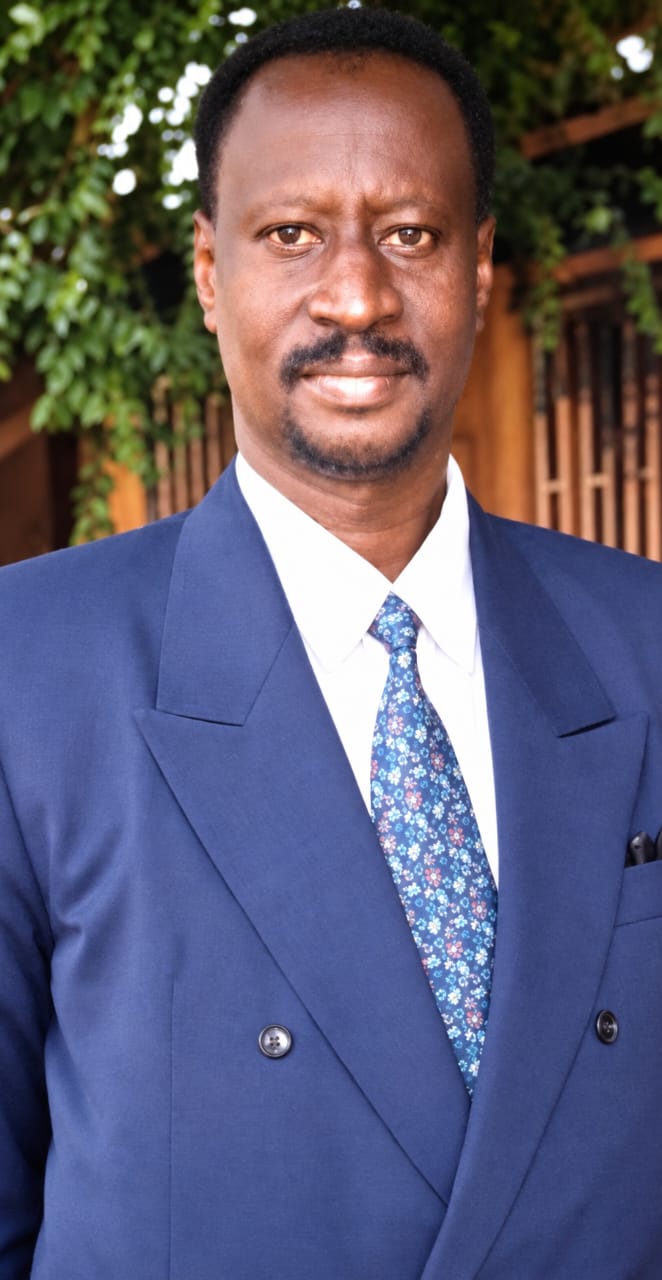
In an article published this Monday in Walfadjri, journalist Mamadou Ibra Kane devoted a section to Ousmane Sonko. Titled "Moping the Private Press," the former president of the Council of Broadcasters and Publishers of Senegal (CDEPS) criticizes the man he refers to as "the dismissed Prime Minister," carefully avoiding mentioning his name. Here is an excerpt.
"The dismissed Prime Minister established a climate of terror in Senegal for more than two years: widespread arbitrary imprisonment of political figures, opinion leaders, and journalists; forceful raids by law enforcement on newsrooms; attempts to close 381 media outlets according to figures from the Ministry of Communication; halting of construction projects; blocking of state debt payments to private companies; discrediting Senegal with international financial institutions, leading to the blocking of negotiations with the IMF; and fumbling and incompetence in the management of public policies.
“To achieve these Machiavellian designs, the former Prime Minister even attempted to theorize the Party-State. To do so, it was necessary to silence any hint of resistance. For the new regime and its government, for over two years, it had been essential to neutralize the private press, portrayed as a henchman of the old regime, a mafia that benefited from undue advantages, a group of tax evaders. It was therefore necessary to economically and fiscally suffocate the private press, discredit it in the eyes of the public, and deny it any legal existence that was not validated by the administrative authorities.”
“Fortunately, the highest judicial institutions have preserved the rule of law. Never in Senegal’s political history has a regime suffered so many setbacks from the Constitutional Council (the CNRM [National Media Regulatory Council] law was struck down), and from the Supreme Court (three decrees by the Minister of Communication regarding the prior authorization required to create a media outlet were overturned). All political prisoners and prisoners of conscience have been released from jail due to a lack of evidence against the serious accusations leveled against them. The private press in Senegal, by fostering a diversity of opinions, has undeniably contributed to peaceful transitions of power, political and social stability, the fight against pandemics, the strengthening of national sentiment, the dissemination of public policies, the promotion of national languages and culture, the promotion of a positive image of Senegal internationally, and so on.”
“It was this momentum in the media that was broken with the advent of the third political transition. Today, the private press, which has already borne the brunt of the disastrous consequences of the Covid-19 pandemic, has been plunged into economic and social crisis by the first government of this third political transition. Private media companies are on the verge of bankruptcy, drained of their most talented employees who have left for more lucrative opportunities. The social consequences are just as dramatic for media workers: layoffs, hiring freezes, salary arrears averaging more than a year, broken families, children out of school, loss of health insurance, delays in pension contributions…”














Commentaires (98)
Participer à la Discussion
Règles de la communauté
💡 Astuce : Utilisez des emojis depuis votre téléphone ou le module emoji ci-dessous. Cliquez sur GIF pour ajouter un GIF animé. Collez un lien X/Twitter, TikTok ou Instagram pour l'afficher automatiquement.
Se connecter
Commentez avec votre profil, votre photo, et soyez averti des réponses.