Couplage locales et législatives: Diomaye face l’impasse politico-juridique
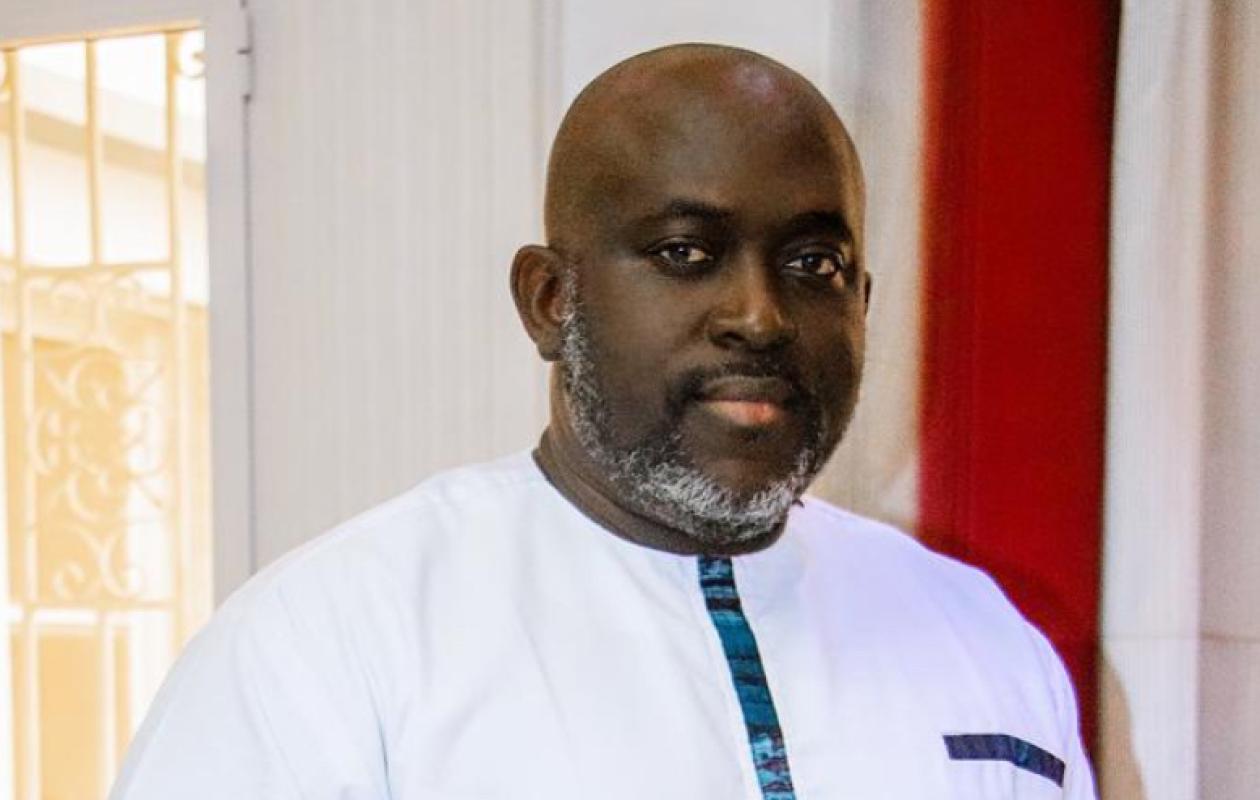
Ndiack Lakh, president of the PENC and member of the APTE Coalition, believes that the head of state is now facing a legal and political impasse regarding the electoral calendar. In a detailed analysis, he argues that respecting the legal deadlines for territorial elections, the possibility of dissolving the National Assembly, and the prospect of combining these elections with potential early legislative elections constitute a veritable "squaring of the circle."

According to him, the next territorial elections must, in accordance with the Electoral Code, be held between December 24, 2026 and January 22, 2027. The available Sundays are December 27, 2026, January 3, 10 and 17, 2027, the latter date representing the final deadline compatible with the legal calendar.
While he is not yet officially past the deadline for convening the electorate, Ndiack Lakh nevertheless points out that several preparatory steps in the electoral process are already reducing the executive branch's room for maneuver. He cites in particular the setting of the deposit amount for candidates, which was supposed to take place between July 30 and August 20, 2026, depending on the date chosen for the election. This situation, while not constituting a violation of the law, undermines, in his view, the transparency and predictability of the process.
The analyst also mentions a hypothesis that is increasingly being discussed in the public debate:
The simultaneous organization of territorial elections and early legislative elections. Such an option would, in his view, present several advantages, including cost reduction, pooling of logistical resources and streamlining of the electoral calendar.
However, this prospect faces a major constitutional obstacle. Since the current National Assembly will have installed its permanent bureau on December 2, 2024, Article 87 of the Constitution prohibits any dissolution during the first two years of the legislative term. Consequently, the President of the Republic could not legally dissolve the Assembly until December 2, 2026.
However, as Ndiack Lakh points out, once a dissolution is declared, the Constitution mandates that legislative elections be held within 60 to 90 days. Even if the dissolution were to occur as early as December 2, 2026, the first early legislative elections could not be held before January 31, 2027, which is after the deadline set for the territorial elections.
"The window for territorial elections is closing before the window for early legislative elections can even open," he summarizes, believing that the president can neither bring forward the legislative elections without contravening the Constitution, nor freely postpone the local elections without stepping outside the framework set by the Electoral Code.
According to the president of the PENC, a simple decree postponing the territorial elections would not constitute a legally sound solution. Such a decision could be strongly challenged before the competent courts.
According to him, the safest approach would be to adopt a transitional law exceptionally postponing the territorial elections to make them compatible with the legislative election calendar. However, this option would face two major obstacles.
The first is political, since such a reform would require the approval of the National Assembly, which the president is reportedly considering dissolving. The second is community-related: the ECOWAS Supplementary Protocol on Democracy and Good Governance prohibits any substantial modification of the electoral law in the six months preceding elections, except in cases of broad consensus among political actors.
Ndiack Lakh also believes that revising the Constitution to allow for early dissolution remains a theoretical hypothesis, burdensome institutionally and politically risky.
In the absence of a consensus allowing for a true coupling, he considers it more realistic to organize the territorial elections within the legal deadlines, at the latest by January 17, 2027, and then, if the president chose to dissolve the Assembly as early as December 2, 2026, to hold early legislative elections on the following January 31.
A sequence which, according to him, would however transform local elections into a prelude to a national political confrontation, at the risk of overshadowing the real issues of territorial governance.
Ndiack Lakh is therefore calling for strict adherence to the republican electoral calendar. For him, political considerations must not take precedence over the requirements of the law. "The electoral calendar is neither a matter of convenience for some nor of impatience for others. It constitutes a republican obligation," asserts the leader of Penc.
The latter argues for the organization of territorial elections on time, in full transparency and on the basis of a roadmap clearly communicated to citizens.




















Commentaires (4)
Est un appel de pieds a la coalition Diomaye ou pour continuer a beneficier des largesse du butin amasse par ses partisans de la coalition APTE dont il se reclame
Les donnees politiques depuis novembre 2024 ont beaucoup evolue et aujourd’hui c’est le camp du PR qui semble tenir la corde quelque soit le mode d’election a venir couplage ou pas
Les bilans des maires issus du pastef ne jouent pas a leurs faveur car beaucoup de maires inconnus des popilations du fait du vent de l’ex opposition yewi askan
Participer à la Discussion
Règles de la communauté
💡 Astuce : Utilisez des emojis depuis votre téléphone ou le module emoji ci-dessous. Cliquez sur GIF pour ajouter un GIF animé. Collez un lien X/Twitter, TikTok ou Instagram pour l'afficher automatiquement.
Se connecter
Commentez avec votre profil, votre photo, et soyez averti des réponses.