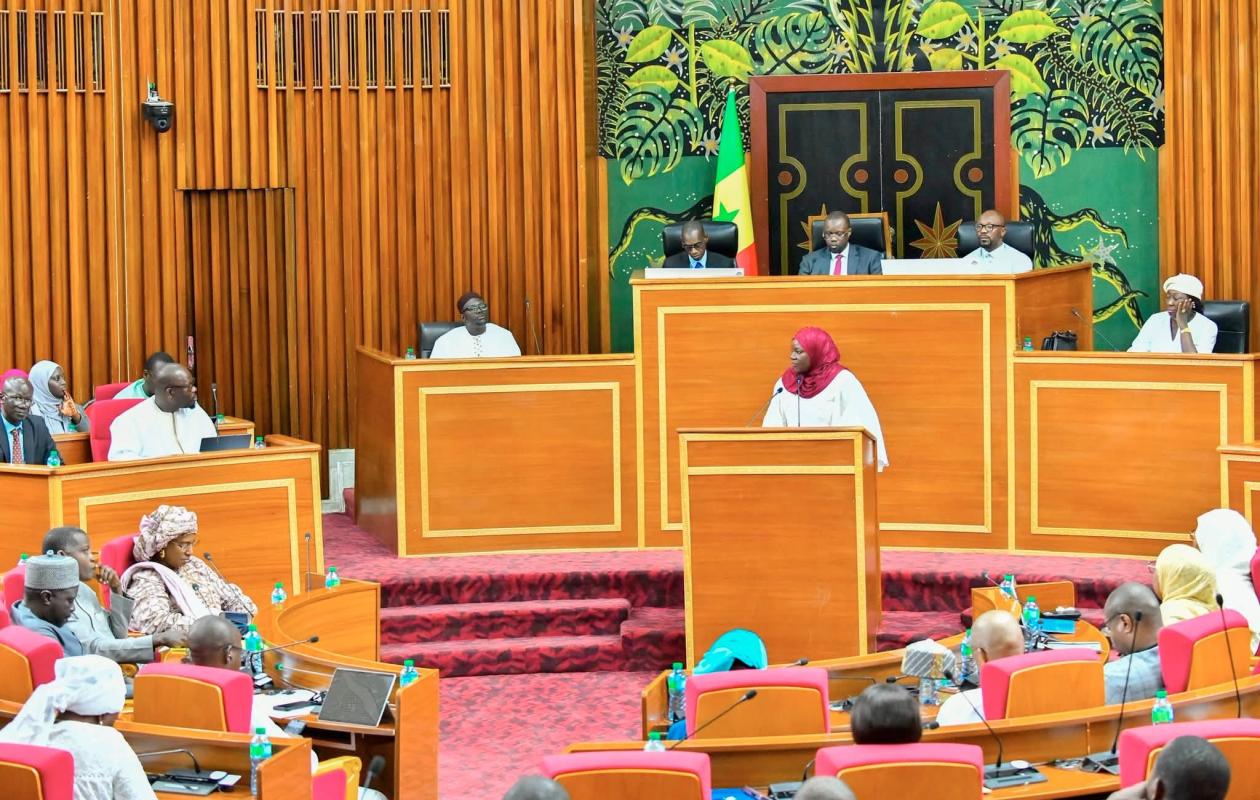
Dépenses spéciales de l’Assemblée : Seydou Diouf remet le débat au cœur du contrôle budgétaire
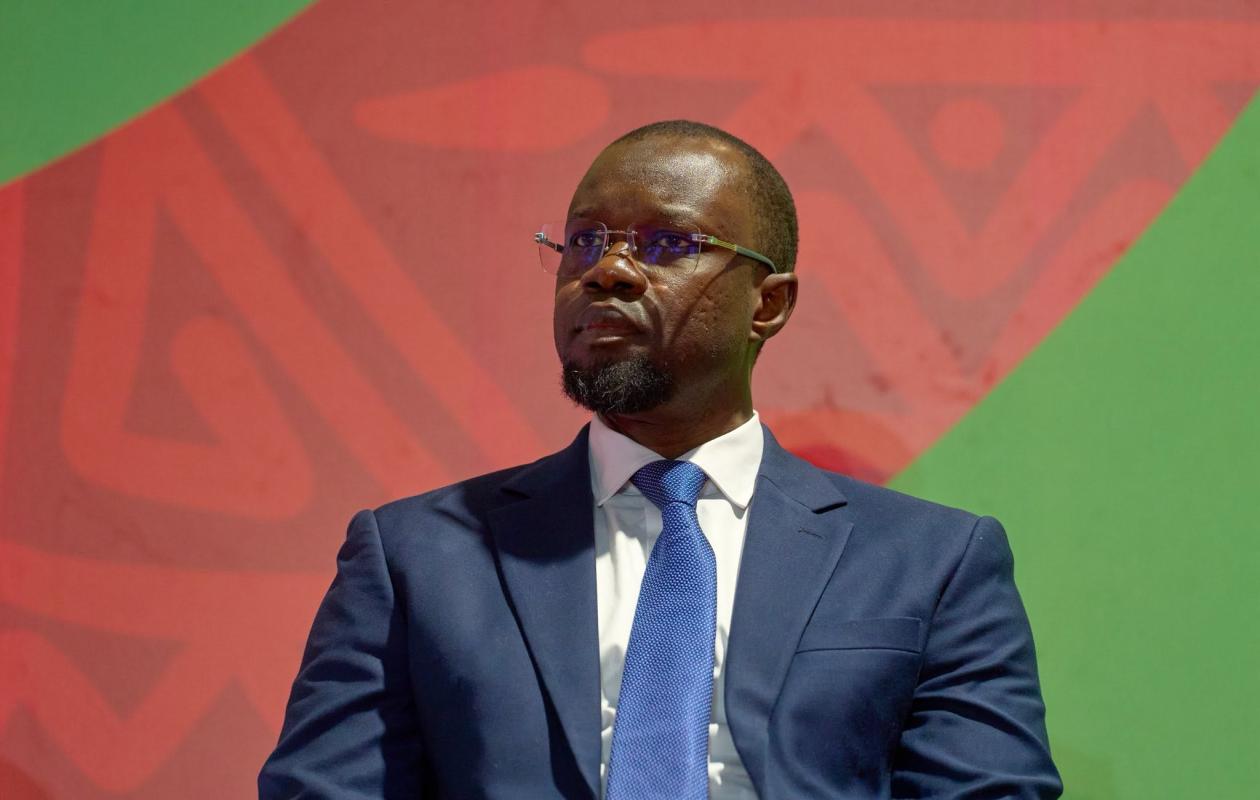
According to former MP and former chairman of the Parliament's Finance Committee, Seydou Diouf, the debate on special expenditures in the National Assembly should not be limited to the nature of authorized or prohibited spending. For him, the real issue is the control of the parliamentary institution's budget.
Invited to the RTS program "Point de vue," he commented on the funds allocated to the Speaker of the National Assembly. He immediately rejected the term "political funds." "The Speaker of the National Assembly does not have a special budget, he does not have political funds," he stated.
According to him, the funds in question are part of the National Assembly's operating budget. The Speaker of the Assembly is the authorizing officer, while the Quaestor is involved in the execution of expenditures.
Based on his experience, Seydou Diouf estimates this budget at approximately 150 million CFA francs per quarter, or nearly 50 million CFA francs per month. These resources could be used, in particular, to assist members of parliament facing social or medical difficulties, as well as to support certain fact-finding missions or committee travel.
However, the former chairman of the Finance Committee urges caution against exaggerating these amounts. "We mustn't create an excessive fantasy around these sums," he warns.
"The real break should be about that."
But beyond the controversy over special spending, Seydou Diouf believes that the real issue lies in the control of the National Assembly's resources.
The former MP is therefore advocating for a two-tiered control mechanism. The first tier should take place before the budget is executed. According to him, the funds allocated to the Assembly should be examined by the Finance Committee, which would have the opportunity to discuss their distribution and set the general guidelines before their presentation in plenary session.
The second audit should take place after the budget has been executed. In his view, expenditures should be the subject of regular reports submitted to the relevant committee, so that members of parliament can have visibility into the actual use of the institution's resources.
For Seydou Diouf, the decree excluding certain categories of expenditure can be considered a step towards greater transparency. However, he believes its true impact will depend on its implementation and integration into a comprehensive oversight framework. "If this is motivated by transparency," he said, "I urge them to go much further."
The former parliamentarian's analysis thus shifts the debate. For him, the funds allocated to the President of the National Assembly do not constitute a personal slush fund or a separate political fund. They are part of the institution's operating budget.
Therefore, the central question would be less the existence of these credits than their distribution, their traceability and the mechanisms to control their use.
Seydou Diouf also believes that this problem did not begin with the current legislature. "The Assembly's budget, today as yesterday, is not controlled," he asserts.
His argument therefore focuses on a more profound reform of the Parliament's financial management. This would involve enabling members of parliament, through the relevant committees, to have a precise understanding of the available funds, their allocation, and their use.
From this perspective, the decree adopted by the Bureau of the National Assembly would only be a first step. For Seydou Diouf, true transparency does not consist solely of regulating or prohibiting certain expenditures, but of establishing a system that allows the parliamentary institution to account for all the resources it manages.

















Commentaires (1)
Vivement une rubrique "Perdus de vue " a Seneweb.
Participer à la Discussion
Règles de la communauté
💡 Astuce : Utilisez des emojis depuis votre téléphone ou le module emoji ci-dessous. Cliquez sur GIF pour ajouter un GIF animé. Collez un lien X/Twitter, TikTok ou Instagram pour l'afficher automatiquement.
Se connecter
Commentez avec votre profil, votre photo, et soyez averti des réponses.