« La démocratie : promesse ou imposture ? » : Le diagnostic sans complaisance et la recette de Yaye Diaw Massar Gaye pour dépolitiser l’État sénégalais
In her book entitled "Democracy: Promise or Imposture?", Yaye Diaw Massar Gaye calls for an overhaul of the Senegalese governance model. The author believes that the country's real challenge is not to change leaders, but to revise the rules that govern access to power and the functioning of the state.
“The real struggle of the Senegalese people is not to change the president. It is to change the model of governance.” It is around this conviction that Yaye Diaw Massar Gaye develops her thinking. In the introductory booklet to her book, she denounces a system marked, according to her, by the concentration of power, political rivalries, and the preponderance of activism in appointments to public office.
The author uses as an illustration the institutional and budgetary tensions of November 2026, which, according to her, exposed the consequences of political clashes on the continuity of the State and the functioning of the economy.
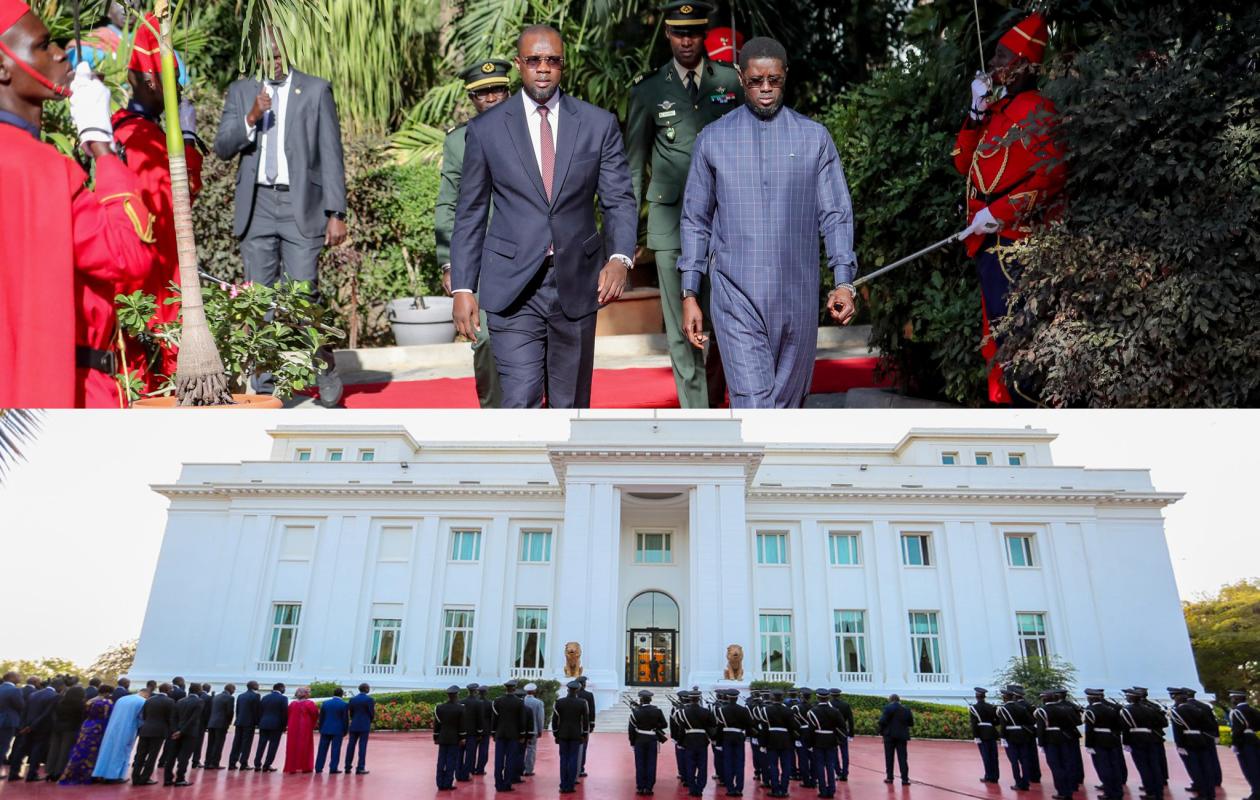
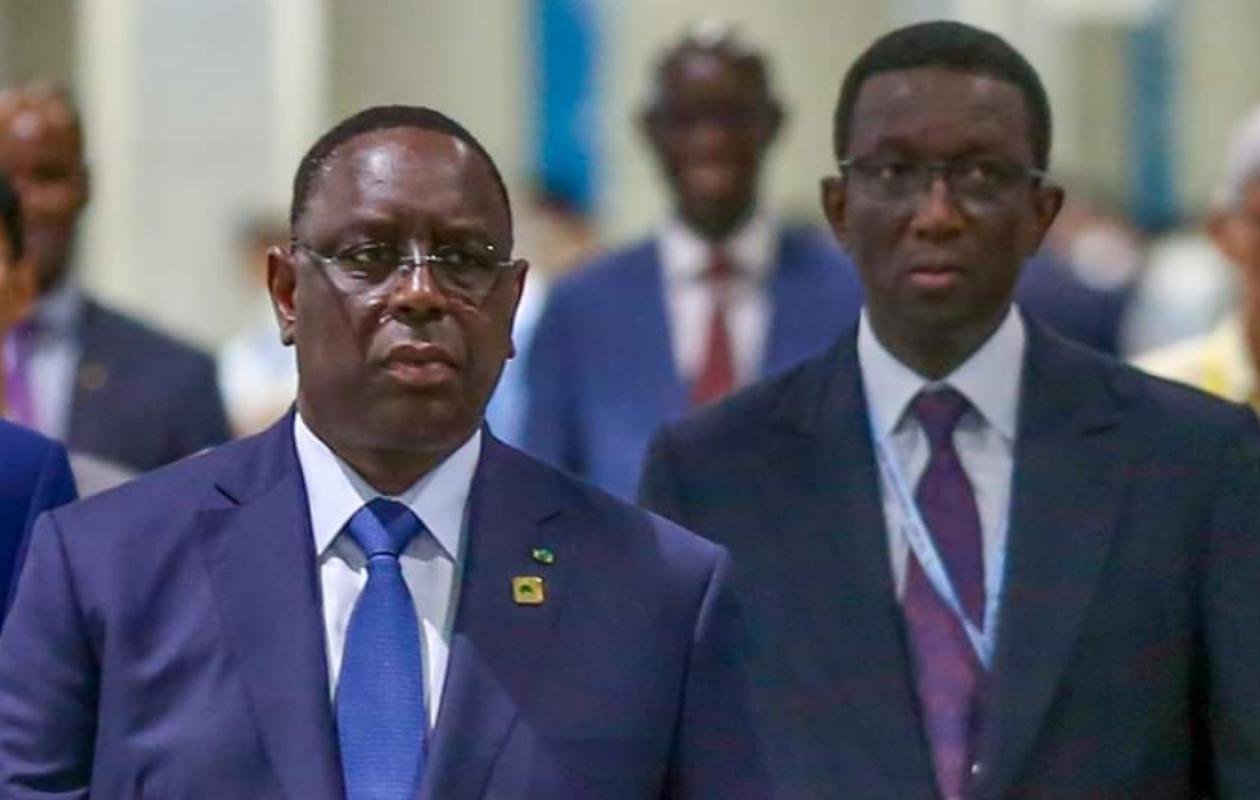
"The disagreement between President Bassirou Diomaye Faye and his former ally Ousmane Sonko has gradually turned into an institutional power struggle. The National Assembly has repeatedly rejected the 2026 supplementary budget. Discussions on the 2027 budget are also experiencing blockages," she notes.
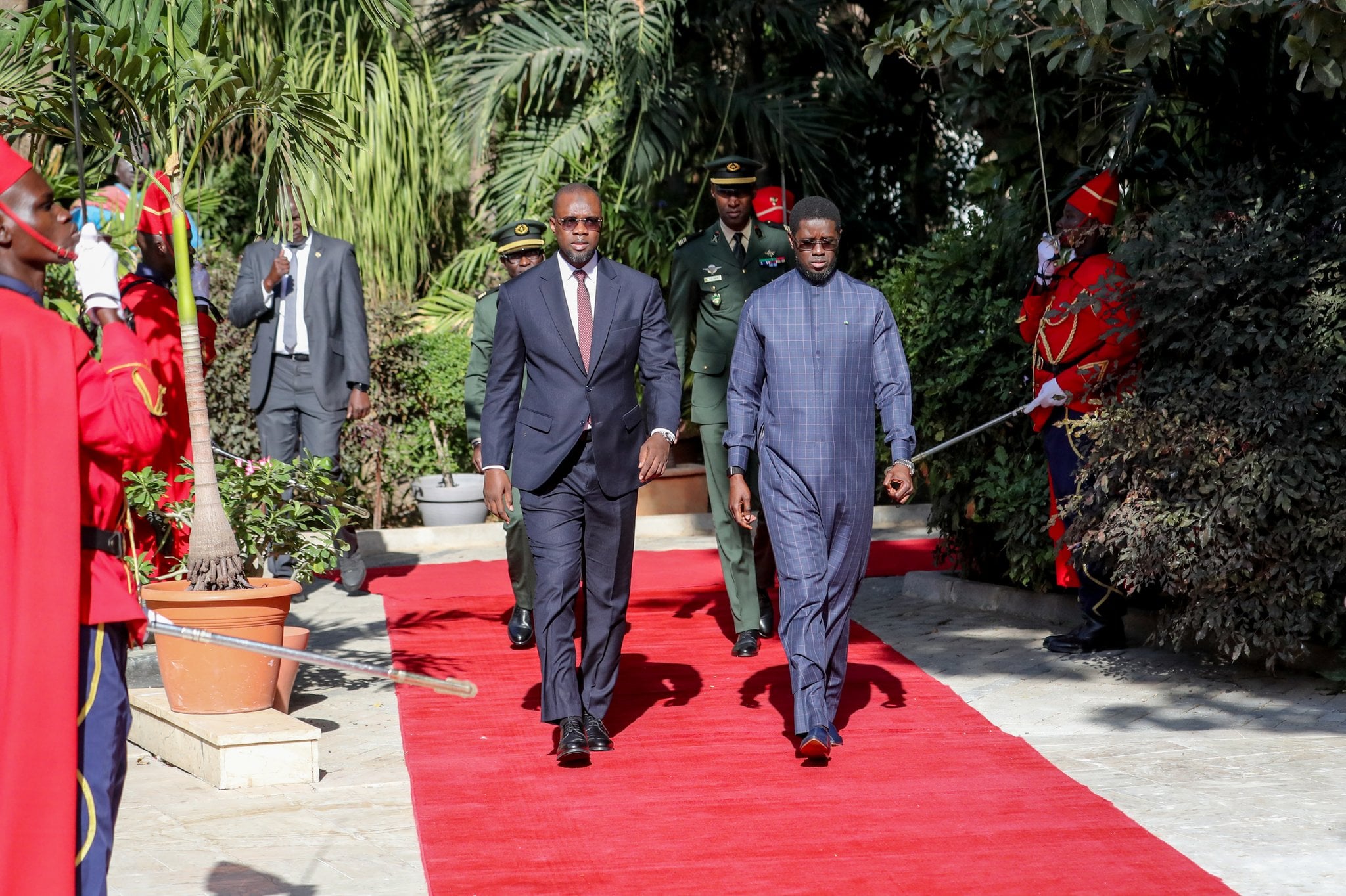
And behind these clashes, the consequences extend beyond political leaders. These consequences include: "budgetary uncertainty, funding difficulties, weakened public projects, and economic anxieties."
To get out of this situation, the author proposes several reforms. Yaye Diaw Massar Gaye notably recommends reviewing the conditions of access to senior public functions, by integrating criteria of competence, experience and integrity.
She also suggests curbing the president's appointment powers by creating ministerial assemblies composed of professionals and experts, tasked with proposing candidates to head ministerial departments. "Each essential sector should be entrusted to the nation's best people, not just its most ardent activists," she says.
The author of the book also argues for a National Assembly less dependent on political machines and proposes individual elections for members of parliament, so that each locality can directly choose its representative. "Members of parliament must defend the interests of their constituents, present their ideas, and report on their work directly to their voters. Political parties can continue to exist and defend their ideas. But they should no longer mechanically control national representation," she proposes.
Another key area of focus is territorial governance. Its model notably includes the elimination of prefect and sub-prefect positions in favor of a new organization for state representation, more oriented towards supporting citizens. It also calls for strengthening citizen responsibility and promoting a culture of results, transparency, and merit.
The book is not simply an indictment of the leaders. Rather, its author invites us to rethink institutions and the relationship between citizens and power, with a clear ambition: to move Senegal from a state organized around individuals to a state founded on competence and strong institutions.

















Commentaires (5)
L'opposition Apollon Dionysos (popularisée par Nietzsche) offre un parallèle particulièrement saisissant avec le diagnostic posé dans cet ouvrage
L'axe Apollon contre Dionysos : L'ordre face à l'ivresse politique
Cette dualité esthétique et philosophique illustre parfaitement la tension entre l'administration neutre et la passion partisane.
L'État dépolitisé comme principe apollinien. Apollon incarne la mesure, la raison, la structure et l'harmonie. La « recette » de Yaye Diaw Massar Gaye (règles claires, continuité de l'État, nominations par la compétence) relève de cet idéal apollinien d'un État stable, rationnel et prévisible.
La lutte partisane comme dérive dionysiaque. Dionysos représente l'élan vital, la passion collective, le tumulte et parfois le chaos. Les affrontements politiques décrits dans l'article, les rivalités d'ego et la ferveur du militantisme qui finissent par paralyser le budget de la nation traduisent cette énergie dionysiaque lorsqu'elle déborde le cadre des institutions.
En synthèse, le livre décrit avant tout un déséquilibre entre l'apollinien et le dionysiaque. Selon l'auteure, la démocratie sénégalaise souffre d'un excès de « dionysiaque » (la passion politique et les luttes de pouvoir) qui étouffe le « apollinien » (la rationalité administrative et les règles du jeu).
L’auteure fait preuve de profondeur et a épinglé avec pertinence le scénario ardu que nous traversons concrètement
Participer à la Discussion
Règles de la communauté
💡 Astuce : Utilisez des emojis depuis votre téléphone ou le module emoji ci-dessous. Cliquez sur GIF pour ajouter un GIF animé. Collez un lien X/Twitter, TikTok ou Instagram pour l'afficher automatiquement.
Se connecter
Commentez avec votre profil, votre photo, et soyez averti des réponses.