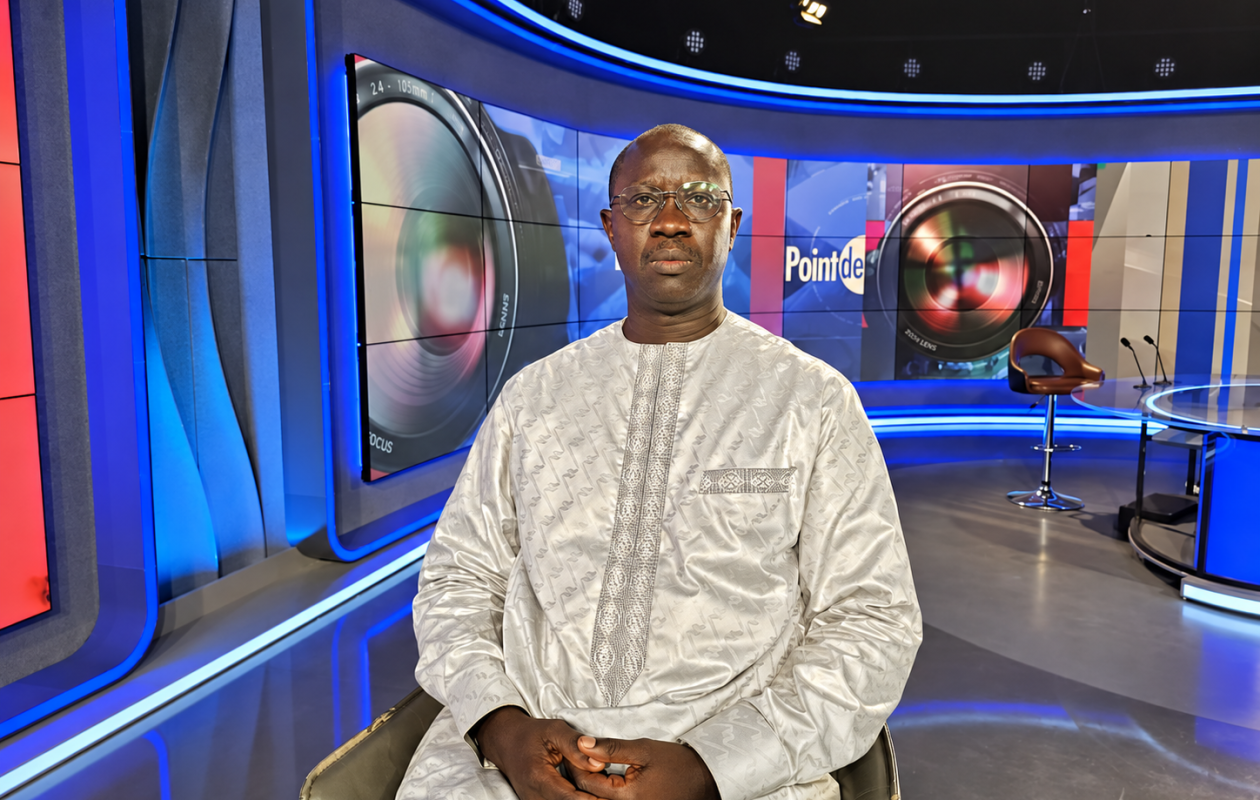
Tensions à l'Assemblée nationale : Le Dr Mor Fall redoute une « juridictionnalisation » du bras de fer entre l'Exécutif et le Parlement
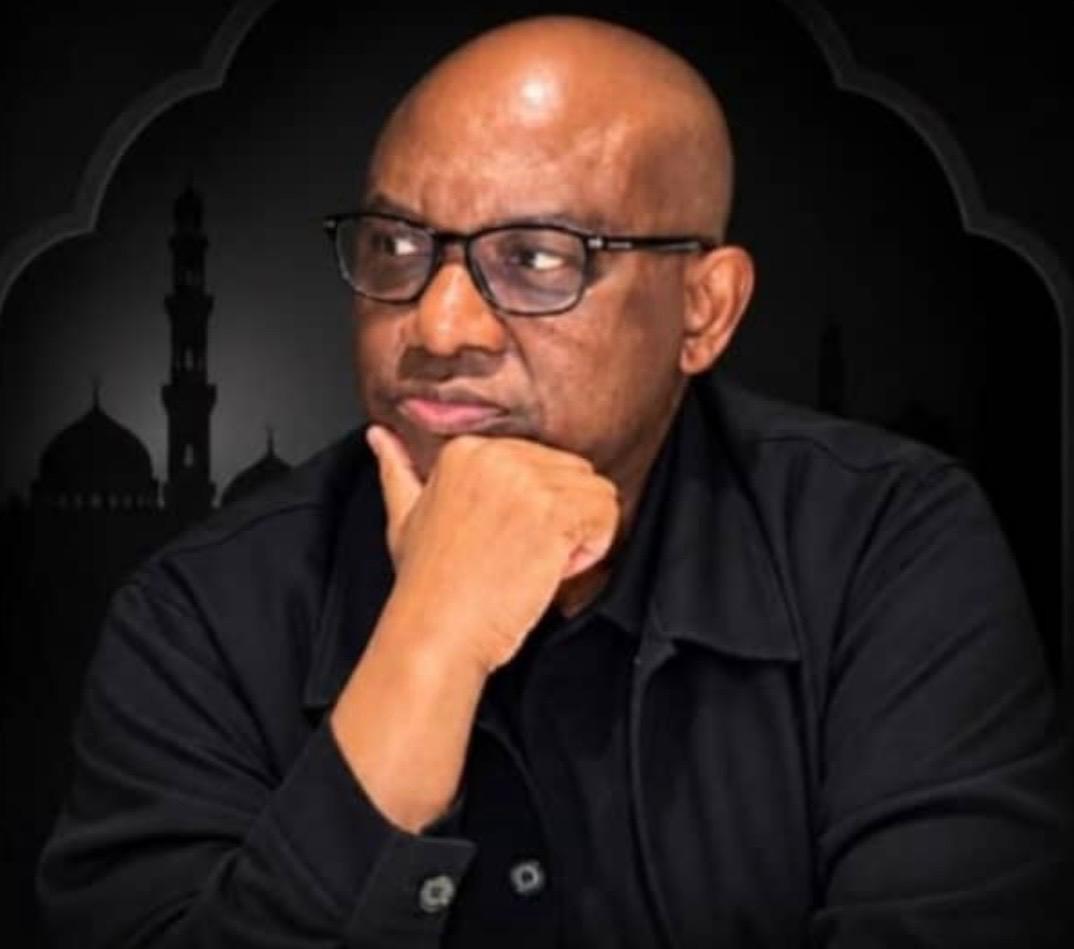
Invited to the program "Point de vue" on RTS, Dr. Mor Fall, lecturer at the Faculty of Legal and Political Sciences (FSJP) of Cheikh Anta Diop University of Dakar (UCAD), delivered a rigorous analysis of the tensions opposing the parliamentary majority to the executive branch at the opening of the third extraordinary session of the National Assembly.
At the heart of the debates are several high-stakes texts that have already sparked strong disagreements in committee, notably the amendment to Article 20 of the Petroleum Code and the provisions relating to the regulation of public finances. According to the constitutional expert, the current situation reflects a "logic of confrontation" between two legitimate powers, each possessing its own constitutional prerogatives. He believes, however, that this political rivalry should not hinder institutional dialogue.
Returning to the controversial reform of the Petroleum Code, Dr. Mor Fall points out that the approval of petroleum contracts currently falls under the purview of decrees. The amendment proposed by the members of parliament aims to mandate prior parliamentary intervention through a debate in plenary session followed by a vote.
The academic, however, qualifies this approach by pointing out that the national representation already has oversight mechanisms and can intervene upstream, particularly within review and negotiation committees. According to him, institutional actors must find a fair balance between executive prerogatives in conducting negotiations and Parliament's duty to oversee the management of natural resources.
For the legal expert, the issue extends beyond the extractive sector alone and concerns the preservation of the overall balance of institutions. "Each branch of government has constitutional prerogatives and intends to exercise them ," he points out, while advocating for "a logic of collaboration" based on consultation. This cross-cutting approach is, in his view, particularly urgent in this context of de facto cohabitation or acute tensions between the parliamentary majority and the presidency.
Analyzing the escalating blockades, Dr. Mor Fall warns that these tensions risk shifting from the political arena to the legal one. "Any political confrontation can have legal repercussions ," he cautions.
The researcher thus fears a "judicialization of the conflict," where the Constitutional Council would be called upon to arbitrate disputes concerning the boundary between the domain of law and regulatory power. Relying on Articles 67, 83, and 116 of the Constitution, he points out that the fundamental text specifically provides legal safeguards to resolve these disputes. "It will be up to the Constitutional Council, in the event of persistent disagreement, to resolve the conflict of jurisdictions ," he concludes.
















Commentaires (9)
L’effet Ismaila Madior fall est désastreux.
Ils font tous maintenant des analyses politisées ou se rapprochent des gouvernements en place.
Au lieu e travailler et de faire des productions scientifiques crédibles.
N'ose pas aller aux élections il sait ce qui l'attend, ce vaurien est entrain de piller les caisses pour son parti de sous hommes.
RÉVEILLEZ-VOUS !!!!!
Participer à la Discussion
Règles de la communauté
💡 Astuce : Utilisez des emojis depuis votre téléphone ou le module emoji ci-dessous. Cliquez sur GIF pour ajouter un GIF animé. Collez un lien X/Twitter, TikTok ou Instagram pour l'afficher automatiquement.
Se connecter
Commentez avec votre profil, votre photo, et soyez averti des réponses.