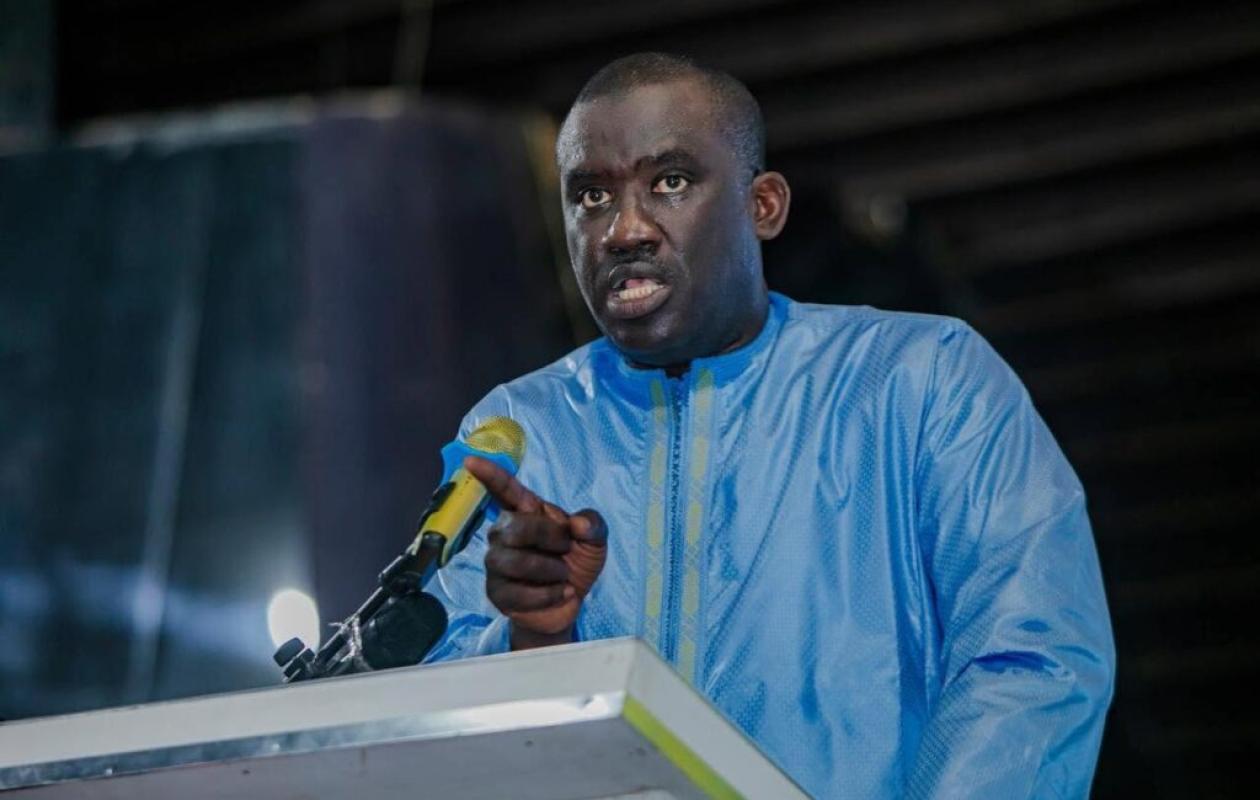
Tenue des élections locales : Moussa Tine signale là où réside "le problème"
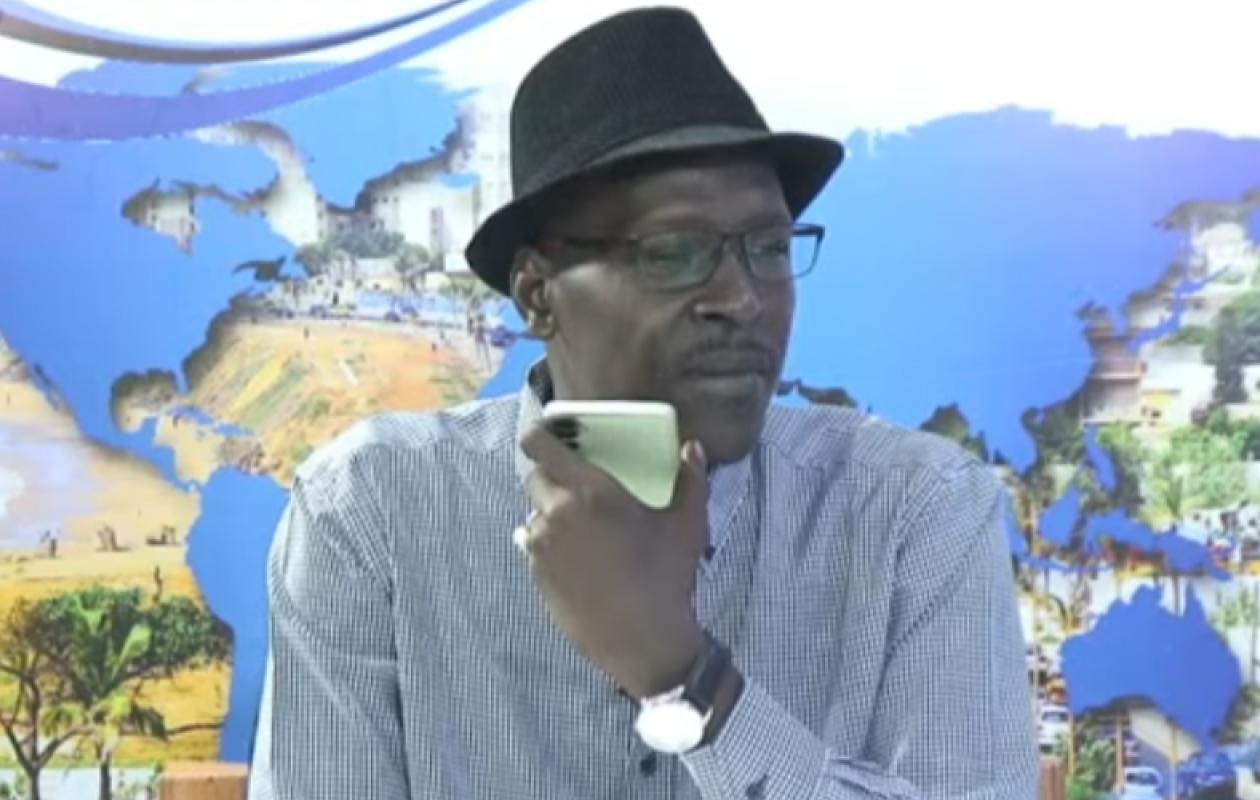
With the territorial elections just months away, Moussa Tine, president of the Democratic Alliance "Pencco," is sounding the alarm. A guest on the RTS program "Point de vue," the former member of parliament called on the government to clarify the electoral calendar and to engage in consultations with the various stakeholders.
For Moussa Tine, Senegal is settling into "electoral uncertainty" that risks undermining the democratic process. "The problem does not lie in a legal impossibility of organizing the election, but in the delays in preparatory work and the uncertainty that now surrounds the electoral calendar," he stated.
For the president of "Pencco", an election is not prepared on the day of the vote. It is prepared through the texts, the electoral lists, the summonses and above all through the knowledge, by all actors, of the date of the vote.
While acknowledging that the Electoral Code provides for cases of postponement, he nevertheless warned against an election with "variable geometry." "It is not normal that only one side knows when the local elections will be held," he declared, emphasizing that predictability is a fundamental requirement of democratic organization.
According to him, this lack of visibility has concrete consequences, including the mobilization of teams, the commitment of expenses, the launch of the campaign, but also administrative operations such as the registration of first-time voters, changes of polling place, or the revision of the lists. "The electoral calendar is a whole," he insisted.
According to the former parliamentarian, if a postponement were to occur, it should be "justified, explained, and above all, discussed with all stakeholders." Drawing on the Constitutional Council's jurisprudence regarding the length of terms, he reiterated the principle of the duration of elected mandates. "It is the people who entrust a mandate for a specific period, and this period must be respected," he emphasized.
Faced with questions about Act 4 of decentralization, identity cards or electoral lists, he calls for consultation: "The Republic is not about men. The Republic is not about political parties. We need to learn to operate on principles," he says.
Regarding the potential dissolution of the National Assembly and its alignment with local elections, Moussa Tine urges caution. The legal expert believes that any referral to the Constitutional Council should be officially made public. "Such a referral could amount to indirectly obtaining prior approval for a dissolution. With a tight schedule, the two elections could be held just weeks apart, or one could be postponed to bring it closer to the other."
To break this deadlock, Moussa Tine is advocating for a return to dialogue. According to him, the 1992 Electoral Code, the product of a long process, involves various political actors and experts. This experience, he says, demonstrates that electoral rules benefit from discussion before being finalized. "Senegal is facing a complex issue that goes beyond the local election date alone: revision of the electoral lists, potential postponement, decentralization reform, dissolution of the National Assembly, and possible combined elections," he emphasized.
Finally, for Moussa Tine, the red line remains clear: "a democracy cannot function sustainably without electoral predictability and without respect for republican principles," he concluded.















Commentaires (2)
Participer à la Discussion
Règles de la communauté
💡 Astuce : Utilisez des emojis depuis votre téléphone ou le module emoji ci-dessous. Cliquez sur GIF pour ajouter un GIF animé. Collez un lien X/Twitter, TikTok ou Instagram pour l'afficher automatiquement.
Se connecter
Commentez avec votre profil, votre photo, et soyez averti des réponses.