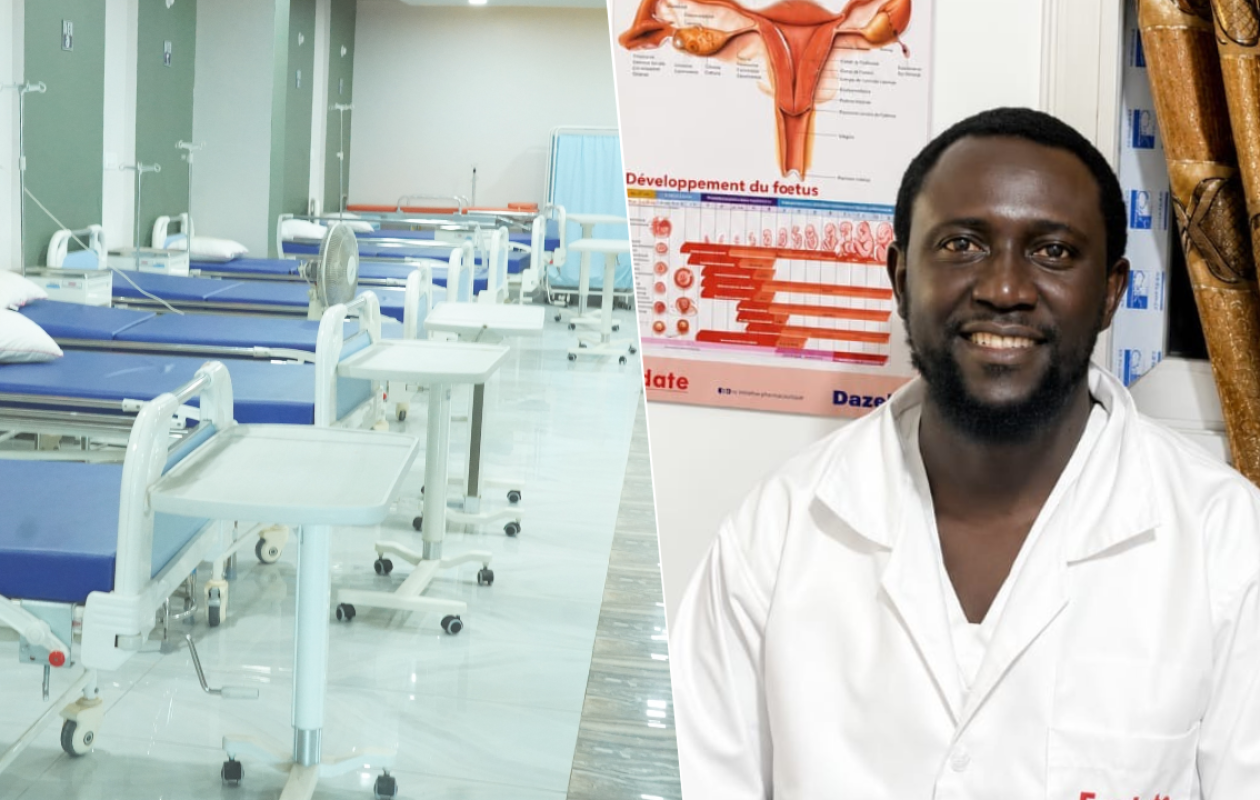
« 48 h de grève du Sames : une situation regrettable » (Dr Doudou SAGNA)
The President of the Republic places paramount importance on dialogue and consultation in all sectors, including health. We urge the Ministry of Health to be more attentive to the concerns of healthcare professionals.
We urge the Government to pay closer attention to the concerns of healthcare professionals and to keep its promises.
The healthcare sector is facing several crises. This situation did not begin with the advent of the new regime. It was largely inherited from previous governments. Union demands for improved working conditions, issues of healthcare governance, and difficulties related to recruitment in the civil service are all problems affecting the sector.
A constitutional right — Article 25
The Constitution of Senegal recognizes the right to strike. Article 25 states in particular: "The right to strike is recognized. It is exercised within the framework of the laws that govern it. It may under no circumstances infringe upon the freedom to work, nor endanger the company."
The same article recognizes the worker's right to join a trade union and to defend their rights through trade union action, as well as the freedom to create trade union or professional associations.
Thus, the right to strike is a constitutional right of workers. However, it must be exercised in compliance with the laws that govern it and the requirements related to the continuity of essential activities.
The persistent difficulties of the healthcare system
It's no secret that the healthcare system is struggling. The quality of care offered in our hospitals doesn't always meet expectations. The reception isn't always welcoming and can even be difficult at times. Medical appointments are often far in the future, and emergency rooms are frequently overcrowded. Diagnostic tools are lacking, particularly CT scanners and MRIs. Patients bear the high cost of hospital care and don't always get the results they expect.
"For a healthcare professional, going on strike is a difficult choice, but sometimes a necessary one."
SAMES' demands are legitimate.
Like any union, SAMES (the Independent Union of Doctors, Pharmacists, and Dentists) defends the physical and moral interests of its members. It may resort to strike action when the interests of its members are threatened, within the framework of the law.
The demands made are legitimate. They are as follows:
• The mandatory recruitment of all doctors, pharmacists and dentists considered for service in the public sector, in order to reduce the shortage of human resources and fill medical deserts.
• Raising the age for tenure in the civil service to 40 years, because medical studies are long, it takes between 12 and 15 years of post-baccalaureate studies to obtain a medical or surgical specialty.
• The revision of the compensation system to restore fairness in the salary treatment of physicians within their hierarchical category. Physicians belong to the special A category and, despite this, suffer from inequity in salary treatment compared to other professional groups in the same category.
• The implementation of a democratic and transparent management of assignments, based on the mobility guide.
• Appointments to positions of responsibility in the health system should be based on criteria of competence and experience, in order to establish performance and competitiveness in hospitals, and not on criteria of cronyism, partisanship or populism.
• From a legal standpoint, healthcare professionals are exposed, in the daily course of their practice, to risks that may be disciplinary, criminal, or administrative. It is important to guarantee a legal framework or a specific status that promotes safety and confidence in the performance of their duties.
The strike: a regrettable situation?
The timing seems poor. This strike could, in our opinion, have been postponed, or even avoided, for several reasons.
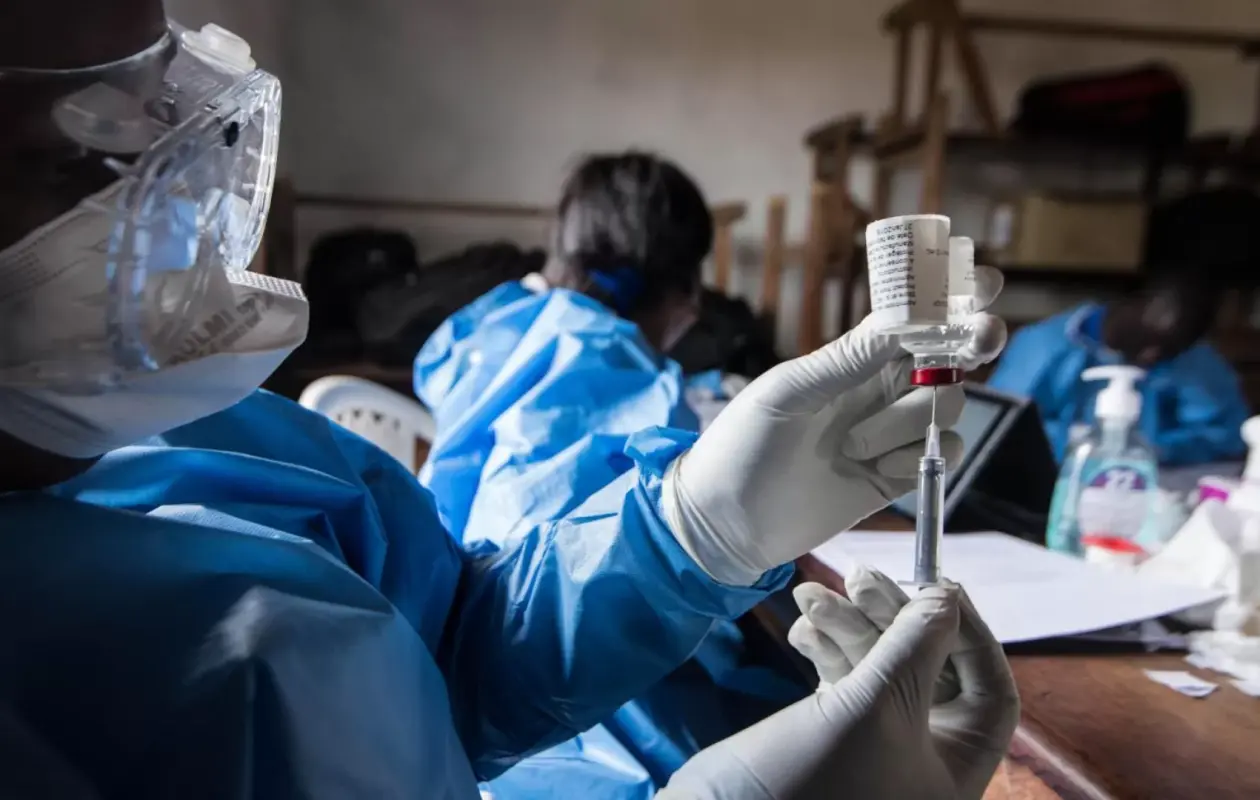
The country's health situation is alarming, particularly with the diphtheria epidemic affecting several regions of Senegal. There are 34 cases, including 6 deaths, representing a case fatality rate of 17.6%, which is very high for a vaccine-preventable disease. Healthcare personnel must be more mobilized to investigate, screen, diagnose, and treat cases. The continuity of care risks being disrupted across the entire country for 48 hours. This is regrettable, especially since SAMES comprises no fewer than 3,500 healthcare workers (doctors, pharmacists, and dentists).
• The current political context is not conducive to a climate of social tension. The strike comes on the same day as the Prime Minister's General Policy Statement, a moment during which the Prime Minister is expected to address issues related to the health sector, including strengthening human capital, with the planned recruitment of 2,500 agents, as well as the new Government's guidelines concerning: the reform of the health map, the modernization of hospital infrastructure, the upgrading of the technical platform, etc.
• Furthermore, all these questions and demands are on the table of the Prime Minister and the Minister of Health. However, a change in the way public affairs are conducted requires time for understanding, analysis, and sound decision-making.
A strike paralyzing the health sector for 48 hours, occurring three months after the arrival of a new Prime Minister, can be considered premature. A grace period should be granted to the new government, as was the case with the previous regime.
For a strengthened dialogue between the Government and healthcare stakeholders
We urge the relevant ministry to listen more attentively to healthcare workers, to promote dialogue and consultation, and to seek solutions in the interest of the entire healthcare system, particularly healthcare providers:
• To initiate frank and sincere discussions with all trade union corporations in order to sustainably improve the health system.
• Strengthen social dialogue and seek concrete solutions to the demands of healthcare professionals.
• Make the health sector a priority and make the ministry's action more responsive to the difficulties encountered on the ground.
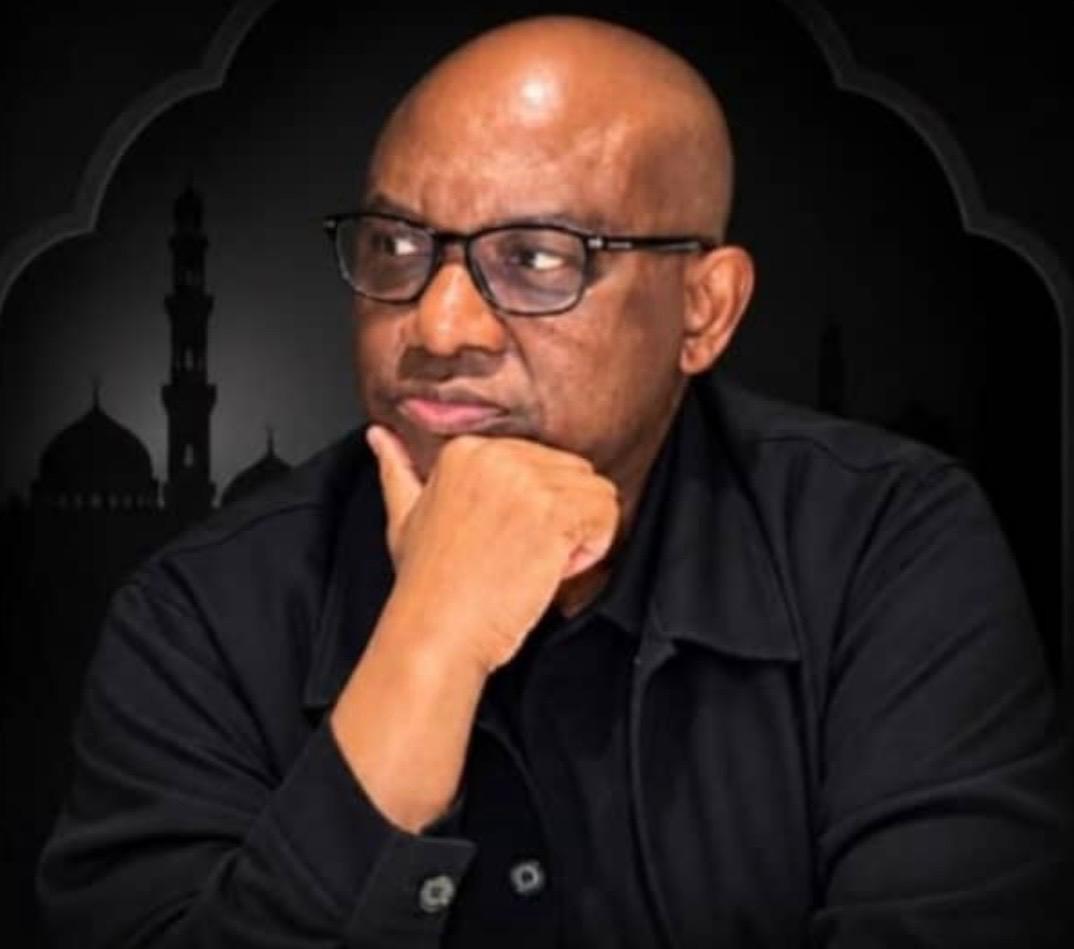
Dr. Doudou SAGNA, a healthcare professional,
Member of KIIRAAY
Legal reference: Article 25 of the Constitution of the Republic of Senegal.















Commentaires (3)
Participer à la Discussion
Règles de la communauté
💡 Astuce : Utilisez des emojis depuis votre téléphone ou le module emoji ci-dessous. Cliquez sur GIF pour ajouter un GIF animé. Collez un lien X/Twitter, TikTok ou Instagram pour l'afficher automatiquement.
Se connecter
Commentez avec votre profil, votre photo, et soyez averti des réponses.