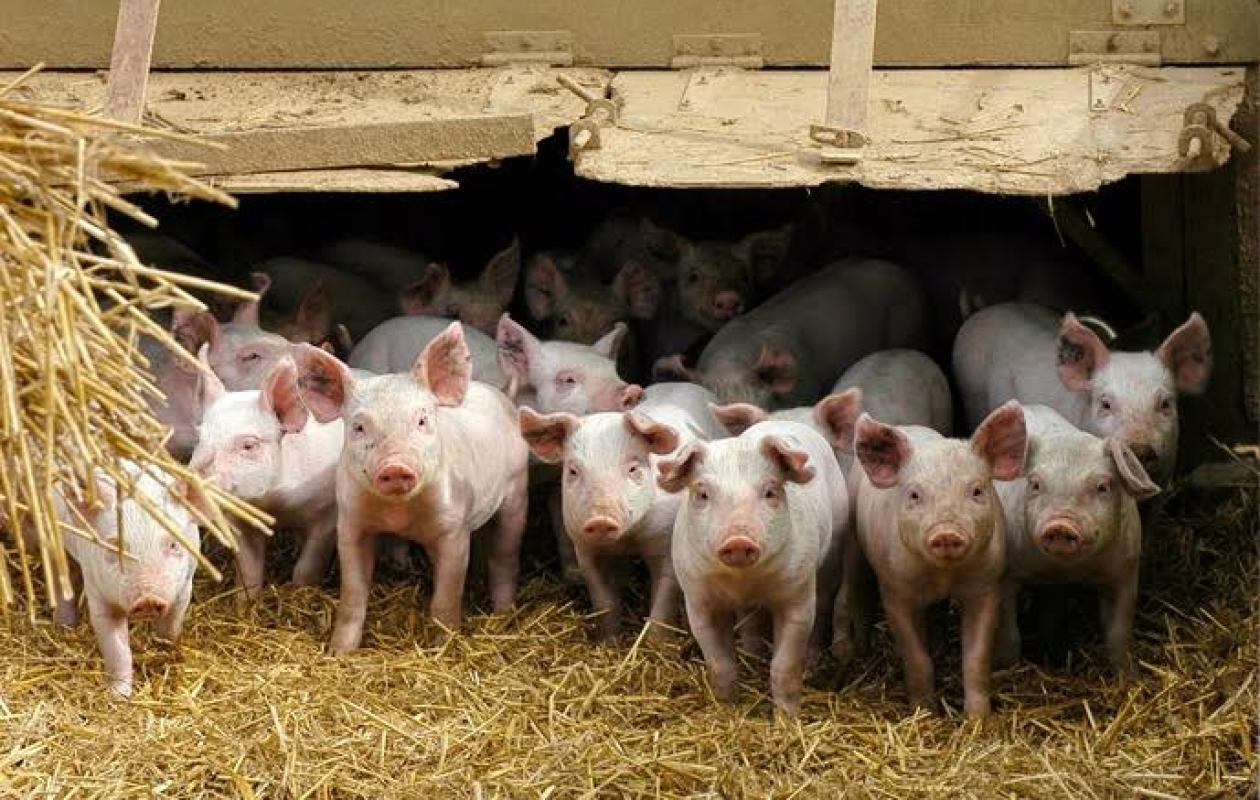
Hépatite E : Le virus détecté pour la première fois dans des élevages porcins à Thiès
A study presented at the 5th Scientific Day on Food Safety highlights, for the first time in Senegal, the circulation of the hepatitis E virus (HEV) in pig farms in the Thiès region. These results, obtained by a team of Senegalese and French researchers, underscore the need to strengthen health surveillance according to the "One Health" approach, which integrates human, animal, and environmental health.
The hepatitis E virus is an emerging zoonotic pathogen, primarily transmitted via the fecal-oral route. However, scientists point out that consuming contaminated meat products is also an increasingly well-documented transmission route. Pigs, like other domestic and wild animals, can harbor the virus and spread it into the environment through their feces.
To assess the circulation of HEV, researchers conducted a survey in April 2026 at four pig farms in Thiès. A total of 120 samples were collected, including swabs from feed troughs, feces, and wastewater. Molecular analyses performed by RT-PCR detected the virus in 21 samples, representing an overall positivity rate of 17.5%.
Feed troughs proved to be the most contaminated, with a positivity rate of 40%, followed by feces (12.5%). Farms #2 and #3 had the highest levels of contamination, with 33.3% and 26.7% of samples testing positive, respectively, compared to only 3.3% and 6.7% in farms #1 and #4. Researchers also observed a correlation between the presence of the virus, farm size, and stocking density.
According to the authors, these results constitute the first evidence of the circulation of the hepatitis E virus in pig farms in Senegal. However, they believe that these data will need to be confirmed by sequencing analyses in order to identify the circulating genotypes.
Beyond the scientific findings, this study highlights the potential risk of virus transmission between animals, the environment, and humans, particularly for those working on farms, in slaughterhouses, or handling meat products. The researchers therefore advocate for the implementation of an integrated "One Health" surveillance system, encompassing health monitoring of pig farms, environmental surveillance, meat product control, and the protection of exposed workers. Such a strategy would help prevent the emergence and spread of hepatitis E in Senegal, while simultaneously strengthening food safety.






















Commentaires (3)
Participer à la Discussion
Règles de la communauté
💡 Astuce : Utilisez des emojis depuis votre téléphone ou le module emoji ci-dessous. Cliquez sur GIF pour ajouter un GIF animé. Collez un lien X/Twitter, TikTok ou Instagram pour l'afficher automatiquement.
Se connecter
Commentez avec votre profil, votre photo, et soyez averti des réponses.