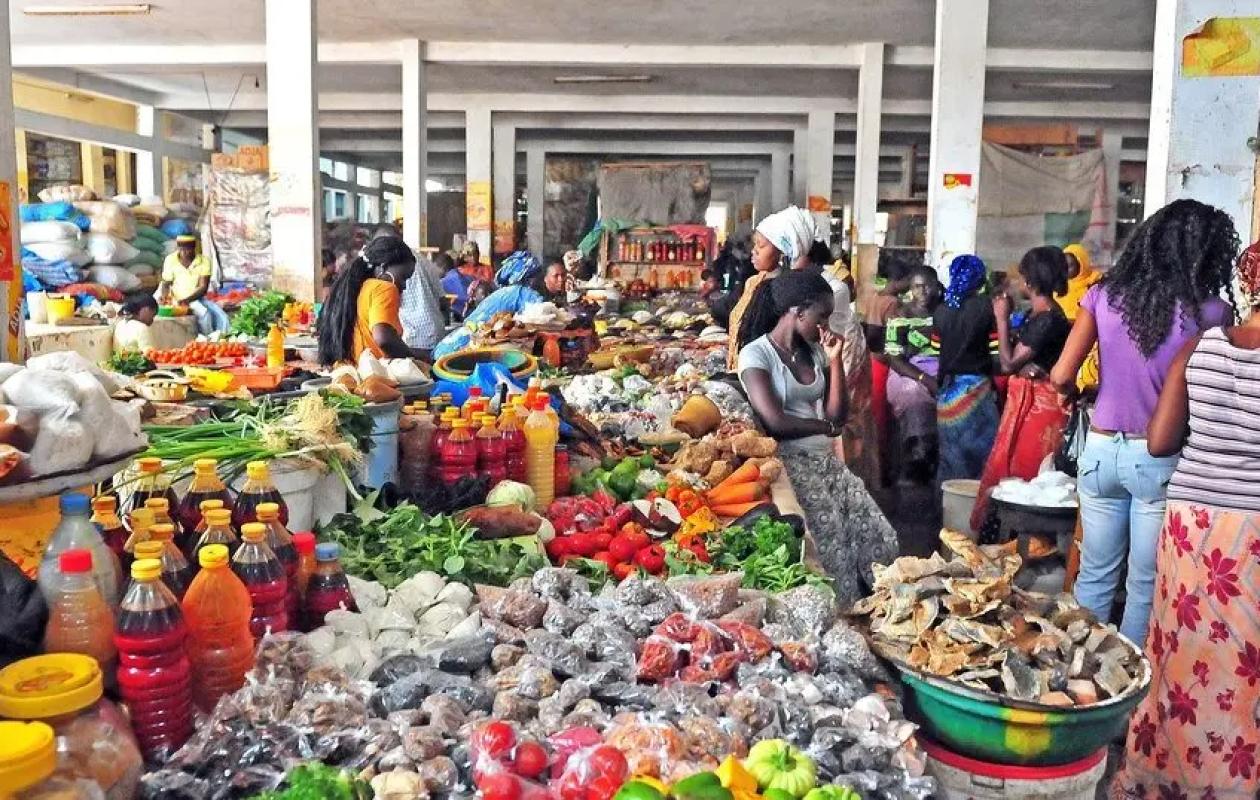
Une étude de l'UCAD révèle une forte contamination bactérienne des épices vendues au Sénégal
Spices commonly used in home kitchens and restaurants in Senegal present a worrying level of microbiological contamination, potentially posing a real public health problem. This was the main warning issued during the 5th Scientific Day on Food Safety (5J3SA), organized as part of the International Day for Food Safety (IDFSA-2026), whose theme this year is: "From Burden to Solutions: Universal Access to Safe Food" .
Led by research professors from the Higher Polytechnic School (ESP) at Cheikh Anta Diop University (UCAD), in partnership with the French Agency for Food, Environmental and Occupational Health & Safety (ANSES), the study aimed to assess the microbiological quality of condiments sold on the national market. A total of 202 samples of thyme, turmeric, seven-spice blends, and local spices, collected from four regions of the country, underwent in-depth phenotypic and genotypic analyses. The results reveal an alarming prevalence of pathogenic bacteria. Scientists have indeed detected the presence of Staphylococcus aureus in 73.96% of samples, group D streptococci in 63.86%, Clostridium perfringens in 23.27%, Escherichia coli in 17.82% and Salmonella in 5.45% of cases.
The investigations also targeted Bacillus cereus , a bacterium notorious for its role in severe foodborne illnesses. Screened on a batch of 30 samples of local spices, this pathogen was identified in 100% of the analyzed cases. The research highlights the complex genetic diversity of the isolated strains, as well as a high concentration of virulence genes, confirming their high toxin-producing potential. According to the research team, these alterations are explained by shortcomings in agricultural practices, poor hygiene during the drying and processing stages, and inadequate storage and marketing conditions.
Faced with this situation, which reflects the overall inadequacy of hygiene standards in the sector, the authors of the study recommend stricter health controls throughout the entire value chain, from producer to retailer. They urge the relevant authorities to establish a rigorous regulatory framework and binding hygiene standards to curb the spread of food poisoning and protect the health of Senegalese households.





















Commentaires (38)
Participer à la Discussion
Règles de la communauté
💡 Astuce : Utilisez des emojis depuis votre téléphone ou le module emoji ci-dessous. Cliquez sur GIF pour ajouter un GIF animé. Collez un lien X/Twitter, TikTok ou Instagram pour l'afficher automatiquement.
Se connecter
Commentez avec votre profil, votre photo, et soyez averti des réponses.