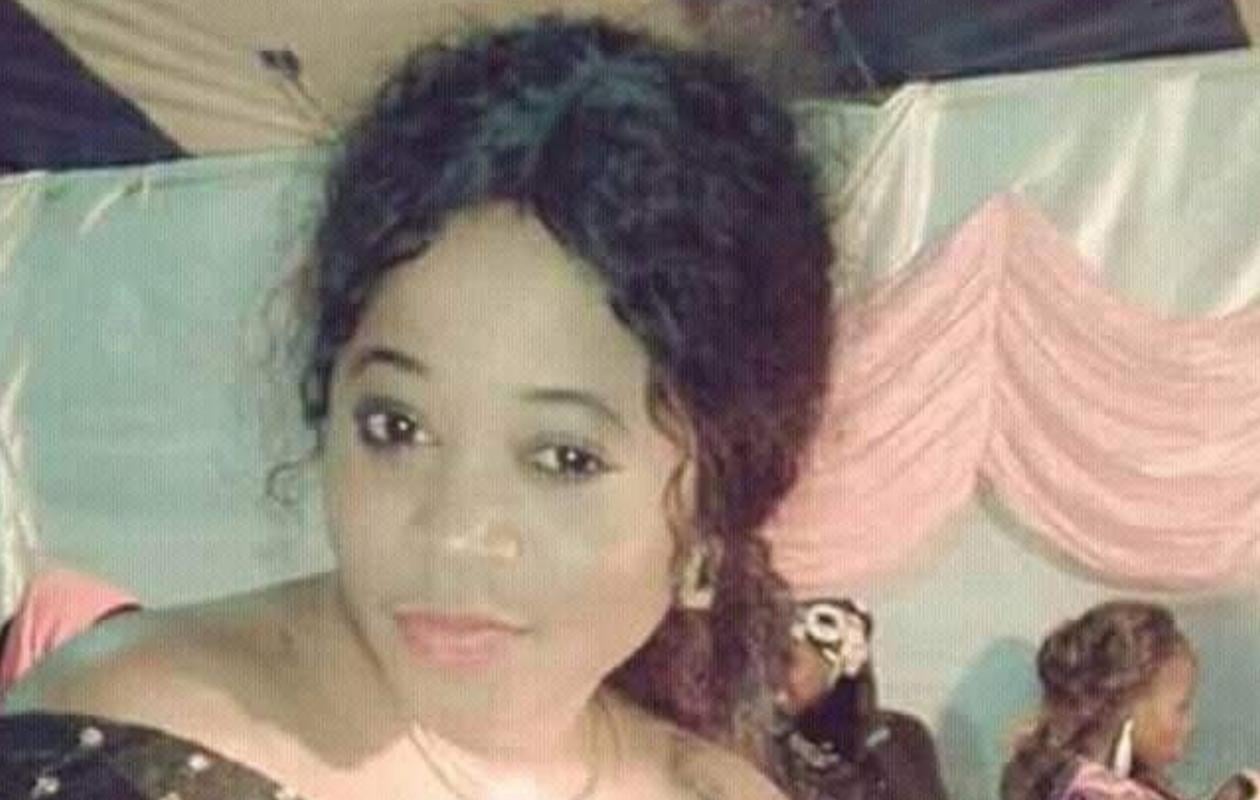
Affaire Mbayang Diop: Dix ans après sa condamnation à mort, Horizon Sans Frontières relance le débat et interpelle l’État
Ten years of imprisonment in Saudi jails, a death sentence still hanging over him, and a deafening silence. Boubacar Sèye, president of the NGO Horizon Sans Frontières (HSF), is once again taking a stand to break the silence surrounding the Mbayang Diop case.
The international migration researcher asks the uncomfortable questions and calls on the State of Senegal and public opinion to reassess this human and diplomatic issue.
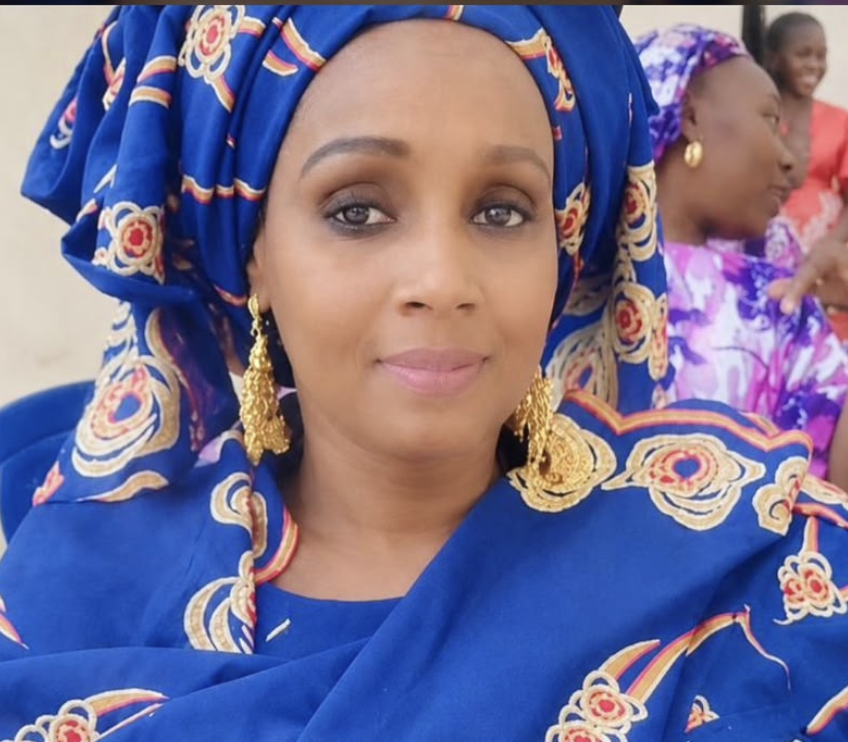
In June 2016, Mbayang Diop, a young Senegalese woman who had gone to work as a domestic worker in the Kingdom of Saudi Arabia, was arrested following the murder of her employer. In April 2017, the Saudi justice system handed down its verdict: the death penalty.
Nearly a decade later, the emotion aroused by the slogans and the #SaveMbayang movement has gradually dissolved into the flow of national news.
Yet, on a human level, the reality remains unchanged: ten years of detention, ten years of separation from family and a death sentence hanging over his head.
Faced with what he calls collective amnesia, Boubacar Sèye, president of Horizon Sans Frontières (HSF), refuses to let oblivion take hold.
"Just asking for news"
In his statement, the consultant-researcher clarifies his approach from the outset: it is neither about challenging the authority of the Saudi justice system, nor about downplaying the seriousness of the charges against the accused. The approach is strictly humanitarian, civic, and diplomatic.
"It is simply a matter of asking a human, diplomatic and civic question: what becomes of a Senegalese compatriot sentenced to death after nearly a decade behind bars?", asks the president of HSF.
For the migrant advocacy organization, the time elapsed should not be a pretext for abandonment, but an imperative to verify and update the steps taken.
At the time of the verdict in 2017, the defense strategy and prospects for amnesty relied on legal mechanisms specific to Saudi law, which is based on Sharia. The hope of a commutation of sentence remained contingent on the victim's children reaching the age of majority, as they were the only ones authorized to grant forgiveness or accept financial compensation, commonly known as "blood money" (Diyya).
Today, Boubacar Sèye raises a series of specific questions intended to enlighten public opinion:
From a legal standpoint: Has there been any procedural development in Mbayang Diop's case? Have the victim's children been contacted or have they given their opinion?
On the diplomatic front: Have the Senegalese authorities reassessed the case? Are there still avenues of appeal, possibilities for humanitarian clemency or commutation of sentence?
On a human level: Does the prisoner's family currently have regular and verifiable information about her state of health and her conditions of detention?
For the president of Horizon Sans Frontières, the time for invective and accusations is over; now is the time for targeted diplomatic action and transparency. He calls on civil society, the media, and diplomats to break the institutional silence and provide an update on the situation.
“Mbayang Diop is a Senegalese citizen who has been detained for almost ten years in a foreign country, under the weight of a death sentence. Silence does not solve a case. Forgetting even less so,” insists the president of HSF.
While Senegalese diplomacy advocates for increased assistance to citizens in the diaspora, the case of Mbayang Diop has re-emerged as a major test of this consular protection. The question remains: what new steps can Senegal take to rescue its citizen from death row?


















Commentaires (3)
Participer à la Discussion
Règles de la communauté
💡 Astuce : Utilisez des emojis depuis votre téléphone ou le module emoji ci-dessous. Cliquez sur GIF pour ajouter un GIF animé. Collez un lien X/Twitter, TikTok ou Instagram pour l'afficher automatiquement.
Se connecter
Commentez avec votre profil, votre photo, et soyez averti des réponses.