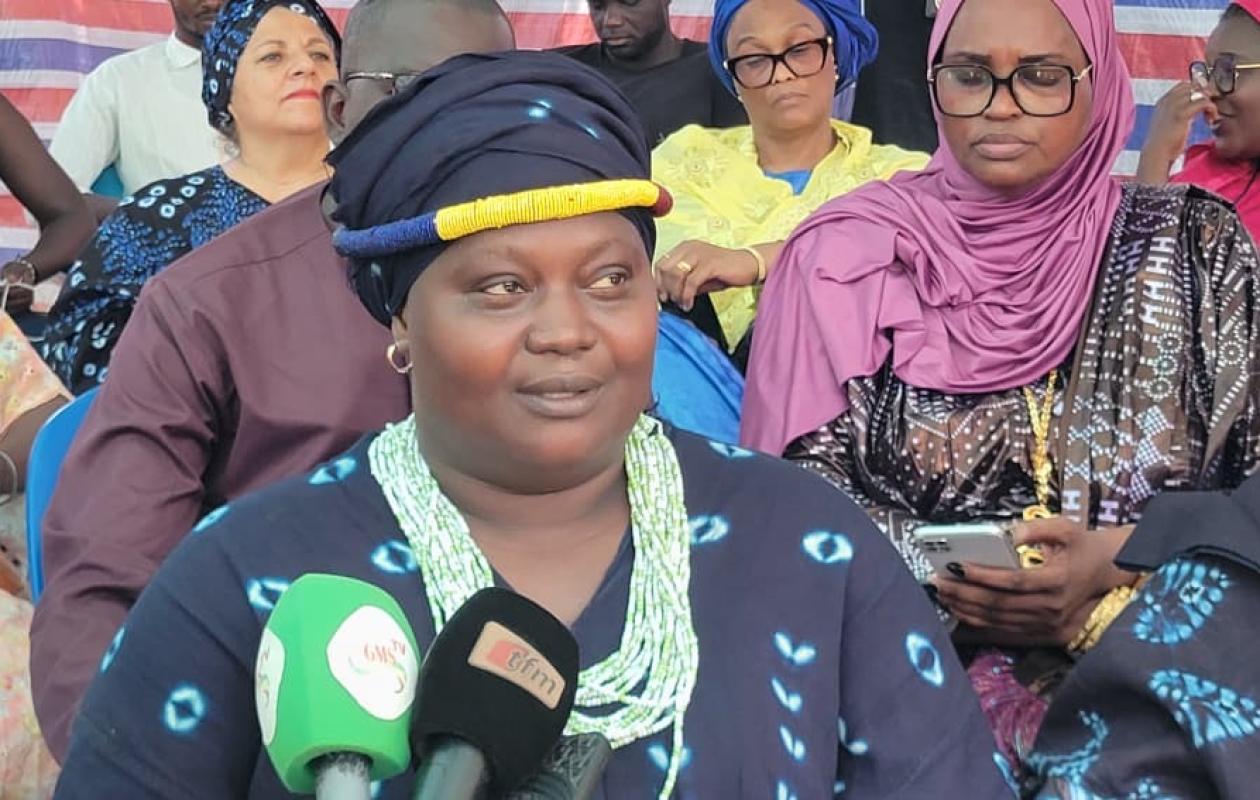
Alis Umoy Diédhiou, reine mère d’Oussouye : La gardienne du Humeubeul et des valeurs du royaume
For over twenty-five years, she has watched over women, traditions, and solidarity at the heart of the kingdom of Oussouye. Enthroned at the age of fourteen, Alis Umoy Diédhiou embodies the living memory of royal customs and remains one of the major pillars of the Humeubeul celebration.
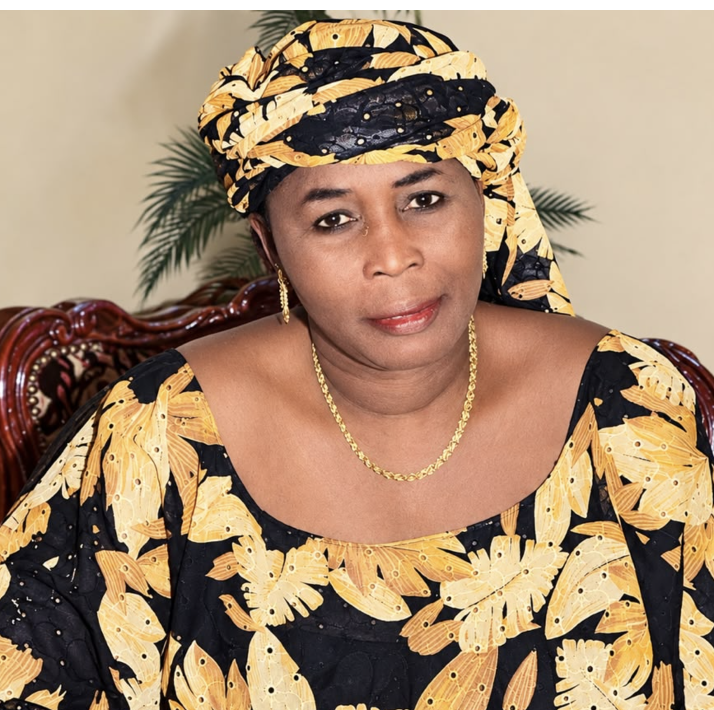
In Oussouye, in southern Senegal, tradition remains alive thanks to the women and men who ensure its transmission on a daily basis. Among them is an eminently respected and influential figure: Alis Umoy Diédhiou, queen mother of the Kingdom of Oussouye. Enthroned when she was only fourteen years old, she embodies the living memory of royal customs and is one of the essential pillars of Humeubeul , one of the kingdom's most important celebrations.
Seated with dignity, the Queen Mother speaks of her journey with great humility. Appointed in August 2000 when she was still a teenager, she has held a major position within the royal court for over two decades. "I was fourteen years old when I was enthroned. Since then, I have been at the service of the kingdom and its people," she confides. Her role extends far beyond mere protocol: as Queen Mother, she is responsible for the well-being of the women of the kingdom, promoting mutual support, and contributing to the smooth running of major traditional ceremonies.
At the heart of her commitment lies the Humeubeul , a centuries-old celebration deeply rooted in the Ajamaat culture and the royal tradition of Oussouye. For Alis Umoy Diédhiou, it is essential to remember that this festival does not belong to any one individual. “The king didn’t create it. He found it here. The Humeubeul existed before him, and he simply ensures its preservation,” she explains. This event is not tied to any fixed date on the Gregorian calendar: its organization depends directly on agricultural realities, particularly the rainy season and the schedule of fieldwork. “Everything depends on the rainfall and the activities in the fields. That’s why the Humeubeul can take place towards the end of September or the beginning of October,” she explains. For nearly two weeks, the kingdom lives to the rhythm of rites, sacred ceremonies and community gatherings, with the highlight being the emergence of the sacred drums from the sacred grove.
The Queen Mother observes with satisfaction the evolution of Humeubeul over the years. In the past, the celebrations took place primarily within a small, family setting, with each household preparing its own meals for the sacrifices and offerings. Today, the event has taken on a whole new dimension: "Humeubeul has become an international event. Visitors come from all over to discover our culture and share these moments with us," she emphasizes. This openness brings new visibility to the kingdom, but also entails significant responsibilities in terms of hospitality and organization.
Beyond her official position, Alis Umoy Diédhiou considers herself first and foremost a servant of her community. For her, Humeubeul is inseparable from sharing, and she meticulously ensures that no family is left behind during this period. "No one should go hungry during Humeubeul," she insists, while encouraging residents to be generous towards the most vulnerable. In a sometimes difficult economic climate, this mutual support remains one of the cornerstones of social cohesion in the kingdom.
Behind the prestige associated with royalty, however, lie constraints largely unknown to the general public. The Queen Mother speaks of the daily challenges involved in organizing ceremonies, welcoming guests, and supporting the local population. "People often see the outward appearance of the role, but they are unaware of the responsibilities that come with it," she explains. Funding traditional activities is a constant concern, as the expenses—sacrifices, community meals, accommodation, and rituals—are considerable. Despite occasional support from the state, the royal court bears the brunt of these financial burdens.
Faced with societal changes and the aspirations of young people, the Queen Mother remains convinced that traditions retain their full relevance. She acknowledges that today's economic and social realities have evolved, but remains persuaded that the transmission of ancestral values is essential to preserving the kingdom's identity. Her commitment is precisely in line with this dynamic: maintaining intergenerational ties while allowing traditions to adapt to contemporary developments.
After twenty-six years in the service of the monarchy, Alis Umoy Diédhiou has emerged as far more than a mere figurehead. A guardian of traditions, a social mediator, a promoter of solidarity, and a privileged witness to the recent history of the Kingdom of Oussouye, she reminds us that the strength of a kingdom is measured as much by the richness of its heritage as by its ability to maintain fraternity among its members. For the Queen Mother, this mission remains, more than ever, a true calling in service to her people.

















Commentaires (1)
N’internationalisez pas, car bientôt de vos secrets ancestraux, il ne vous en restera que des coquilles, en plus des divisions., trahison et jalousie.
LES GARDIENS DU TEMPLE DOIVENT ÊTRE VIGILANTS, GARDEZ ET PROTÉGER !!
Vous ferez l’objet de toutes formes de propositions, de sollicitations et d’intérêts.
Ce qui appartient à toute une communauté n’appartient à une seule personne fusse-t-elle reine!!!
Participer à la Discussion
Règles de la communauté
💡 Astuce : Utilisez des emojis depuis votre téléphone ou le module emoji ci-dessous. Cliquez sur GIF pour ajouter un GIF animé. Collez un lien X/Twitter, TikTok ou Instagram pour l'afficher automatiquement.
Se connecter
Commentez avec votre profil, votre photo, et soyez averti des réponses.