Cayor : un sous-sol riche, des populations toujours en quête de prospérité
Despite its mineral, agricultural, and artisanal resources, and its strategic geographic location, Cayor is struggling to translate its assets into sustainable jobs and shared prosperity. This was the message conveyed by Ousseynou Fall, financial controller at the Presidency of the Republic, during a meeting on the economic situation in Cayor.
He finds this paradoxical. For him, this observation is worrying. "Cayor has no shortage of resources or potential. What it seems to lack is above all the capacity to transform these riches into productive activities, sustainable jobs, and decent incomes for its inhabitants," he says. It is around this contradiction that a meeting is being held under the theme: "Cayor: Unveiling its Economic Potential, Connecting Senegal to the World."
This initiative aims to make Cayor an economically integrated, competitive territory open to international markets. But the urgent need is less to highlight the region's resources than to understand why these resources are not benefiting the local population more.
Resources are plentiful, but the economy is struggling to take off.
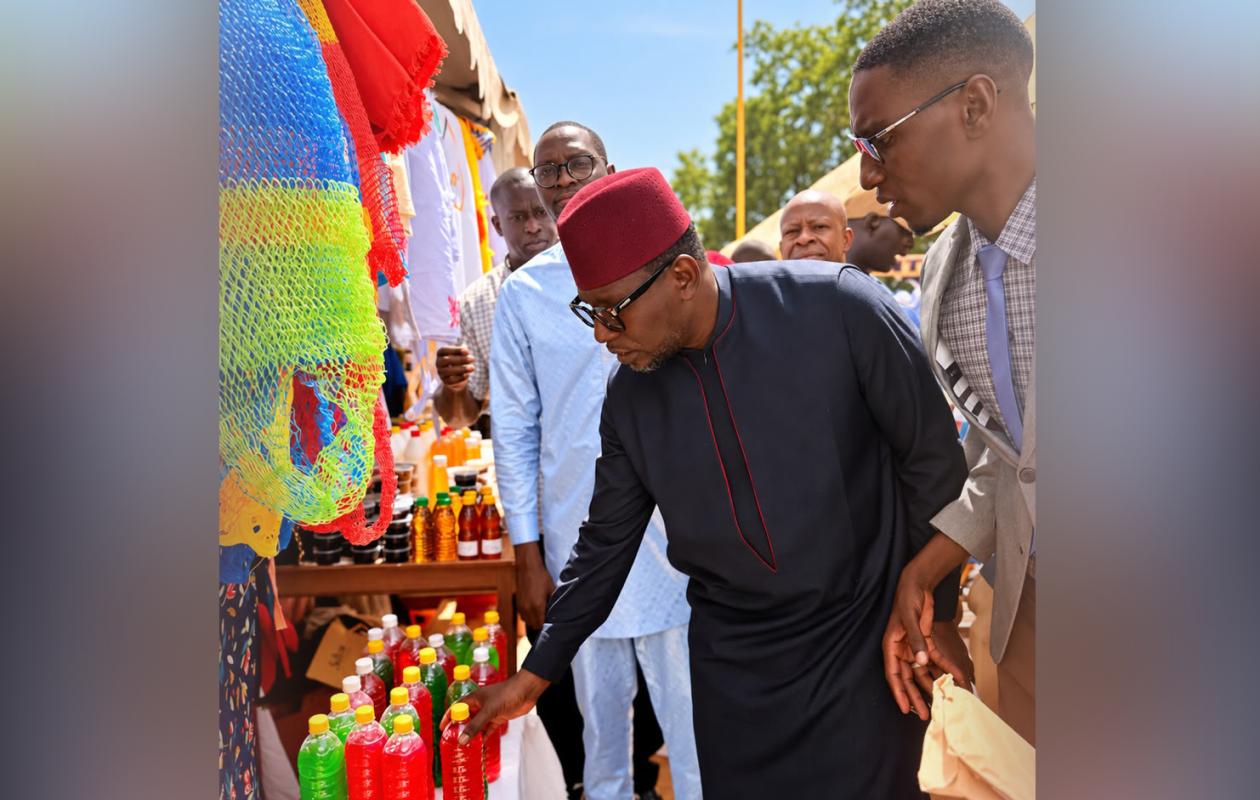
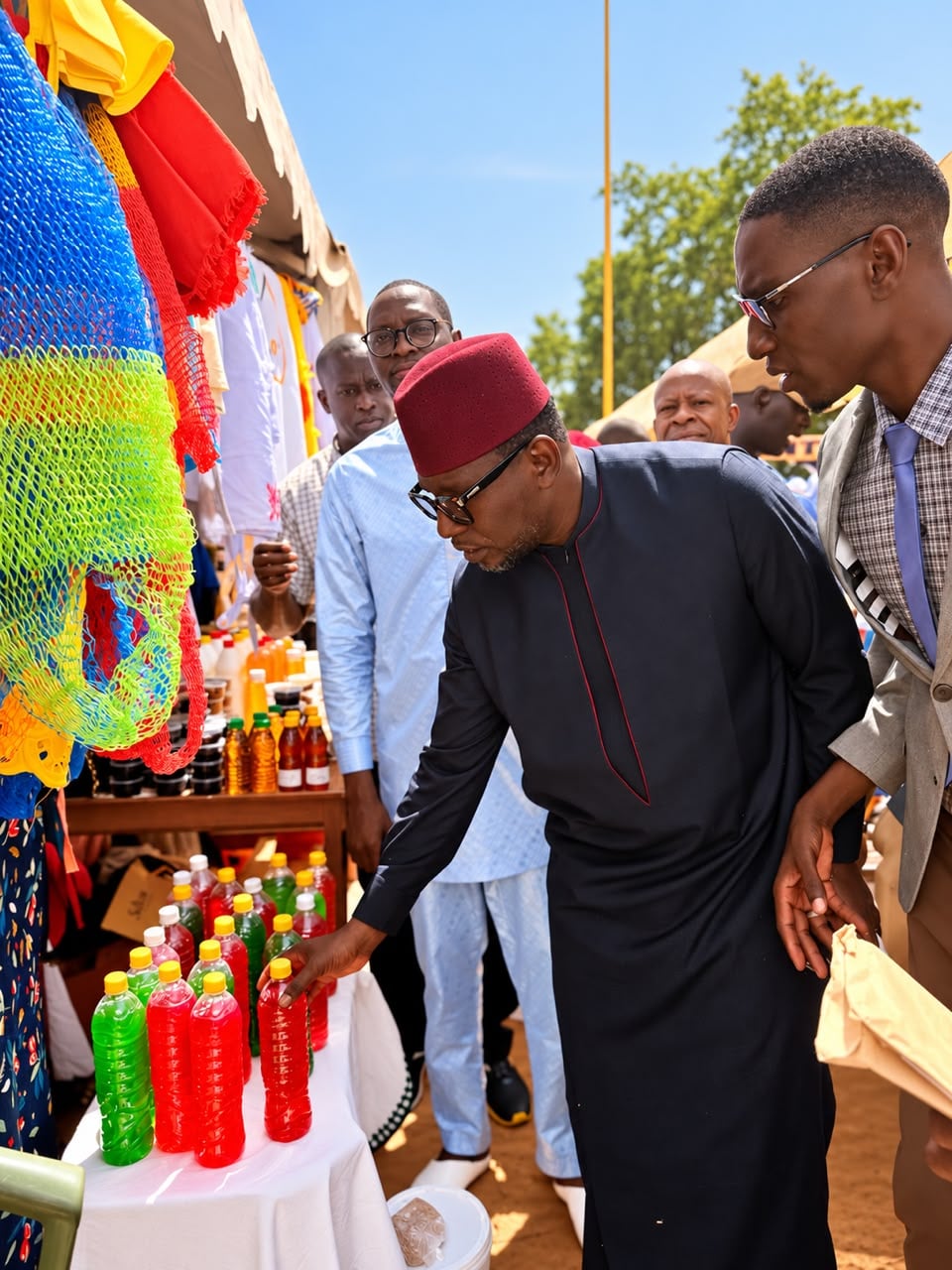
The potential of Cayor is considerable. The phosphate deposits of Koul, Keur Maniaw, Lam-Lam, and Ngandiouf, as well as the Thilmakha industrial zone, could contribute to structuring an industrial network that creates added value. Agricultural production in the Niayes and the Cayor hinterland also offers significant prospects, as do the crafts of Méckhé and local expertise.
In addition to these assets, there is a remarkable cultural and spiritual heritage, embodied in particular by Tivaouane, Ndiassane, Pire Goureye, Ndiarndé, Mboul and Mbacké Cadior, as well as a geographical position favorable to the development of trade and logistics.
But this inventory, however promising, is no longer sufficient. For, says Ousseynou Fall, the true measure of a territory's development lies not in the quantity of its resources, but in its capacity to create wealth and redistribute it.
Farmers, artisans, young people: the forgotten ones of economic potential
On the ground, the difficulties persist. Ousseynou Fall finds that in agriculture, producers remain dependent on the seasons and market fluctuations.
“After months of effort, some find themselves facing poor sales, crop degradation, and a lack of sufficient storage and processing capacity. This situation reveals the limitations of a production system that is still struggling to provide producers with regular incomes,” says Mr. Fall.
He adds that traditional crafts, particularly in leatherwork and blacksmithing, are also suffering from competitive pressure and market transformation. "Without sufficient access to financing, equipment modernization, training, and international marketing channels, even recognized skills risk losing their competitiveness," he emphasizes.
He went on to note that young people continue to face a lack of career prospects. As for local authorities, Mr. Fall stated that they are hampered by limited resources and a shortage of major infrastructure projects, particularly those requiring significant labor.















Commentaires (1)
Participer à la Discussion
Règles de la communauté
💡 Astuce : Utilisez des emojis depuis votre téléphone ou le module emoji ci-dessous. Cliquez sur GIF pour ajouter un GIF animé. Collez un lien X/Twitter, TikTok ou Instagram pour l'afficher automatiquement.
Se connecter
Commentez avec votre profil, votre photo, et soyez averti des réponses.