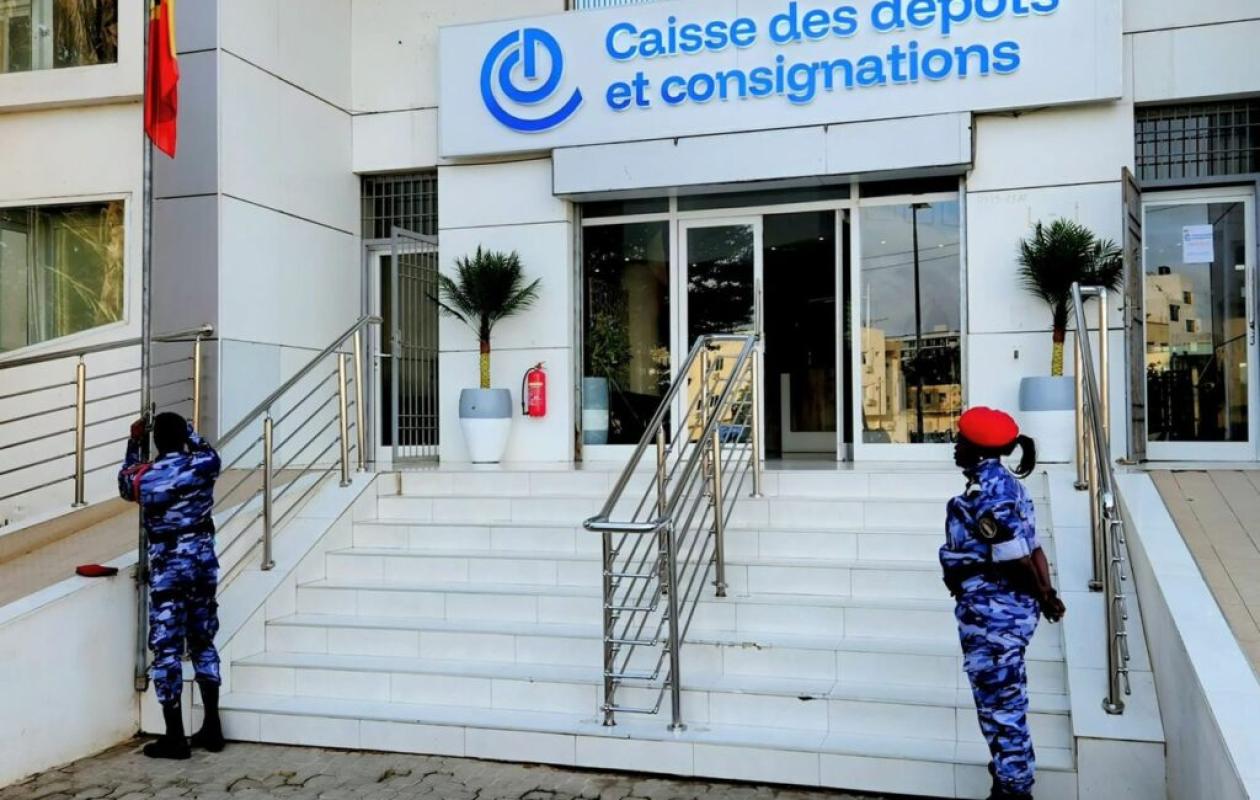
Contentieux foncier : L'ancien Directeur des Domaines déballe sur le dossier de la Caisse des dépôts et consignations
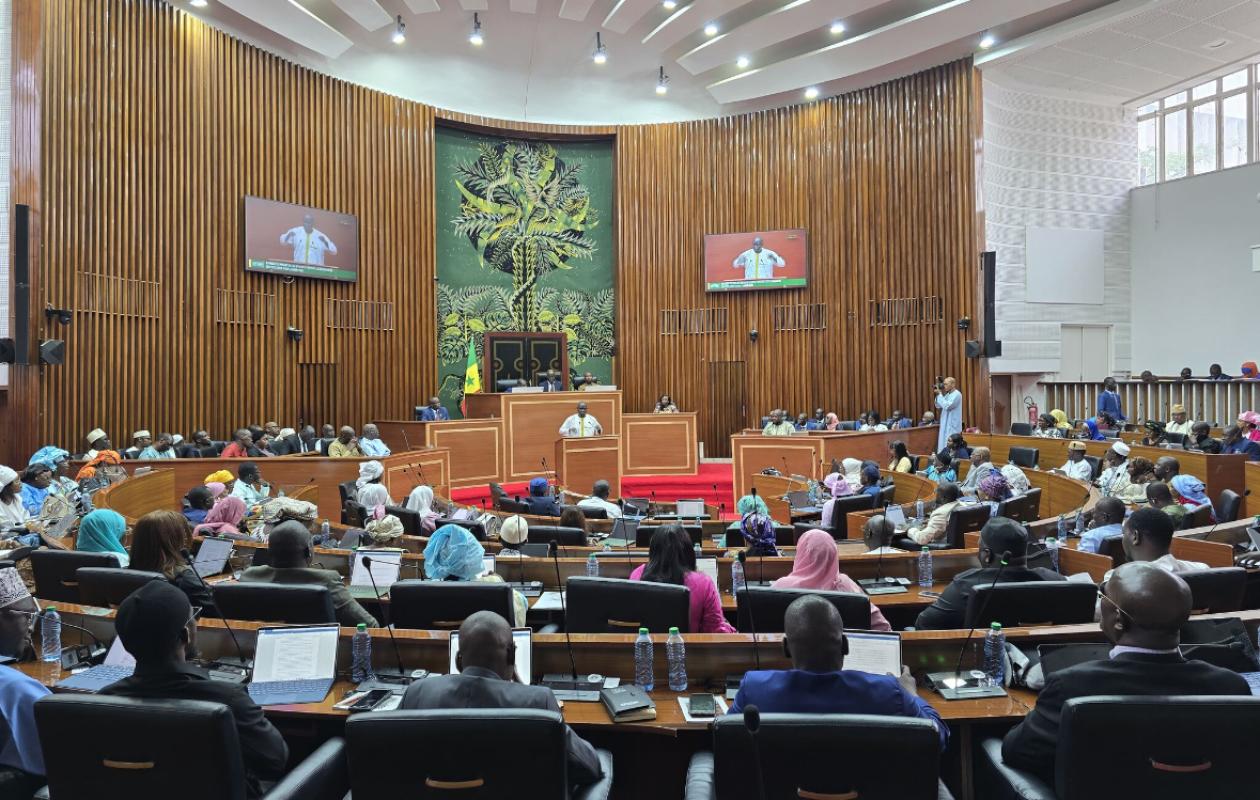
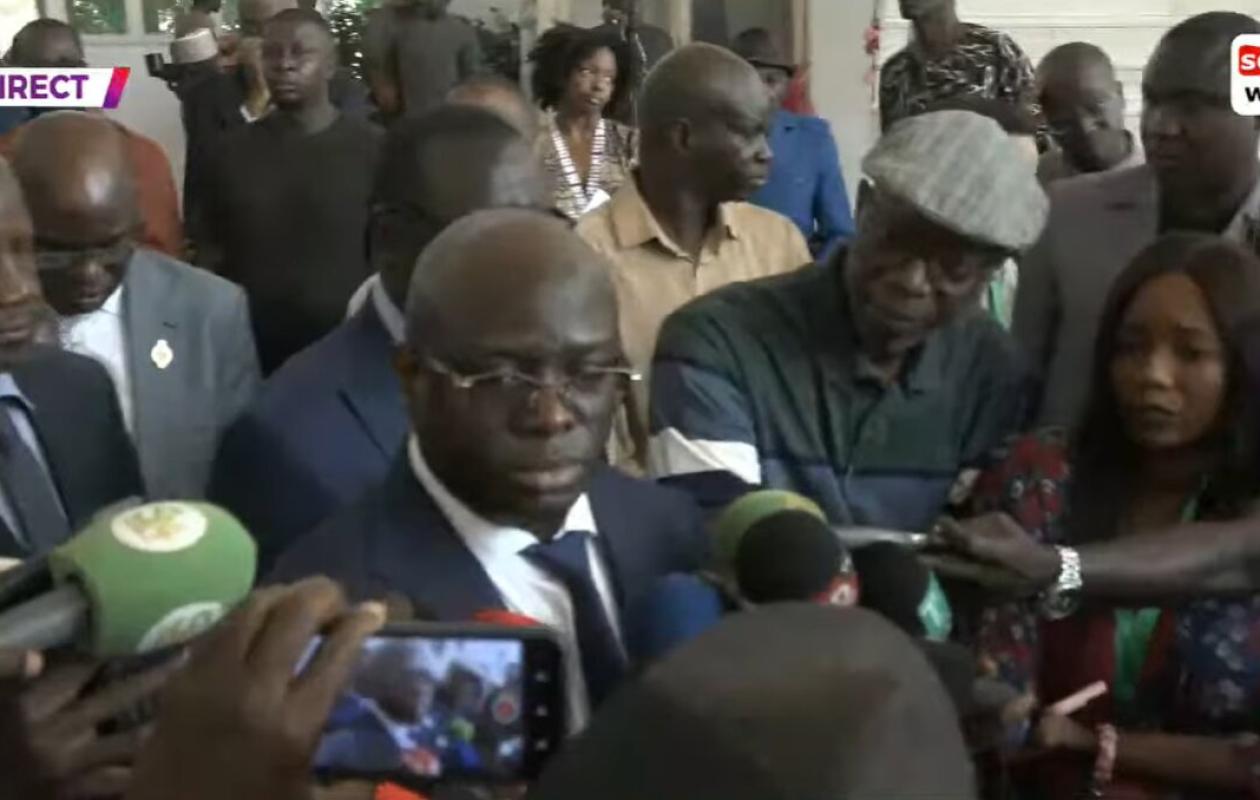
The hearing of the former Director of State Lands, Abdou Gning, before the parliamentary commission of inquiry into land management provided an opportunity to revisit a major financial dispute between the State of Senegal and the Caisse des Dépôts et Consignations (CDC). At the heart of the case: a 30-hectare plot of land, a transaction valued at 60 billion CFA francs, partially honored payment commitments, and a disagreement over the withdrawal of 2.5 hectares for the benefit of the municipality of Ouakam.
60 billion FCFA agreed, 21 billion paid: the financial standoff
According to the evidence presented during the hearing, the State had sold a 30-hectare plot of land to the CDC (Caisse des Dépôts et Consignations) for a total of 60 billion FCFA. Payment was to be made in three installments of 20 billion FCFA each. However, only 21 billion FCFA was reportedly paid to the State, based on reservations made by the buyers. The failure to meet the payment schedule led the tax collection services of the Directorate General of Taxes and State Property (DGID) to initiate legal proceedings against the CDC to recover the remaining balance.
The dispute, however, is not solely about payments. It also centered on the State's decision to reclaim 2.5 hectares of the 30 hectares initially ceded, in order to make them available to the municipality of Ouakam. The State wanted to recover this portion by applying a value calculated proportionally to the initial price of the land. This approach was contested by the CDC (Caisse des Dépôts et Consignations), which had already undertaken significant development work on the site. The organization argued that reclaiming the land at this price did not sufficiently take into account the investments made and the potential financial losses. This disagreement thus raises a central question: how to reconcile the State's prerogatives over land with the contractual commitments made to a public body that has invested in the site's development?
Thousands of plots of land in the hands of a few beneficiaries
Beyond the dispute between the State and the CDC (Caisse des Dépôts et Consignations), the hearing highlighted the flaws in the public land allocation system. The figures cited are particularly striking: 1,107 plots were allegedly allocated to nine people in Mbour Gatte, while 16,186 plots were reportedly allocated to 34 people in the Thiès coordinated development zone (ZAC). These massive allocations raise questions about control mechanisms, fairness in access to land, and the risks of real estate speculation. When beneficiaries obtain a considerable number of plots, the question arises as to whether these plots meet genuine needs or are intended for resale for profit. Another problem raised is the absence, according to explanations given during the hearing, of a law explicitly prohibiting an individual or legal entity from holding multiple plots within the same development.
A draft decree had been prepared to better regulate land allocations, notably by limiting the number of plots that could be allocated to a single individual to one and by entrusting the process to a commission. However, this text was never promulgated. This lack of a binding regulatory framework leaves areas of uncertainty in the management of the national domain. It also raises the question of the responsibility of the authorities tasked with ensuring the security of allocation procedures and preventing the concentration of land in the hands of a small number of beneficiaries. Between unpaid debts, disputed investments, and land concentration, the CDC–State of Senegal case illustrates the financial, legal, and social challenges surrounding the management of public land assets. It brings to the forefront the urgent need for stricter regulation of transactions and allocations, in order to protect the interests of the State and guarantee more equitable access to land.

















Commentaires (11)
Des gens prétendent être opérateurs économiques, entrepreneurs ou administrateurs de sociétés. Ils n'ont pas trois employés. Ils n'ont pas de siège de la société.
Ce sont des magouilleurs ou des gens véreux qui opèrent dans le système.
Il faut arrêter ce bradage foncier qui appauvrit le Sénégal et qui enrichit quelques individus nuisibles.
Participer à la Discussion
Règles de la communauté
💡 Astuce : Utilisez des emojis depuis votre téléphone ou le module emoji ci-dessous. Cliquez sur GIF pour ajouter un GIF animé. Collez un lien X/Twitter, TikTok ou Instagram pour l'afficher automatiquement.
Se connecter
Commentez avec votre profil, votre photo, et soyez averti des réponses.