
Exonérations douanières : Les zones d’ombre autour des ENO, de l’ISEP et du CPG de Thiès
Summoned before the Parliamentary Commission of Inquiry into the Management of Customs Exemptions, the Director General of Customs, Malick Mbaye, was sharply questioned on sensitive issues concerning Open Digital Spaces (ENO), the Higher Institute of Public Education (ISEP), and the Thiès Ports Management Center (CPG). Faced with suspicions of irregularities and discrepancies in volume, the head of the customs service promised to provide all investigation reports and digital traceability data to the members of parliament in order to clarify the conditions for granting and the actual use of these tax advantages.
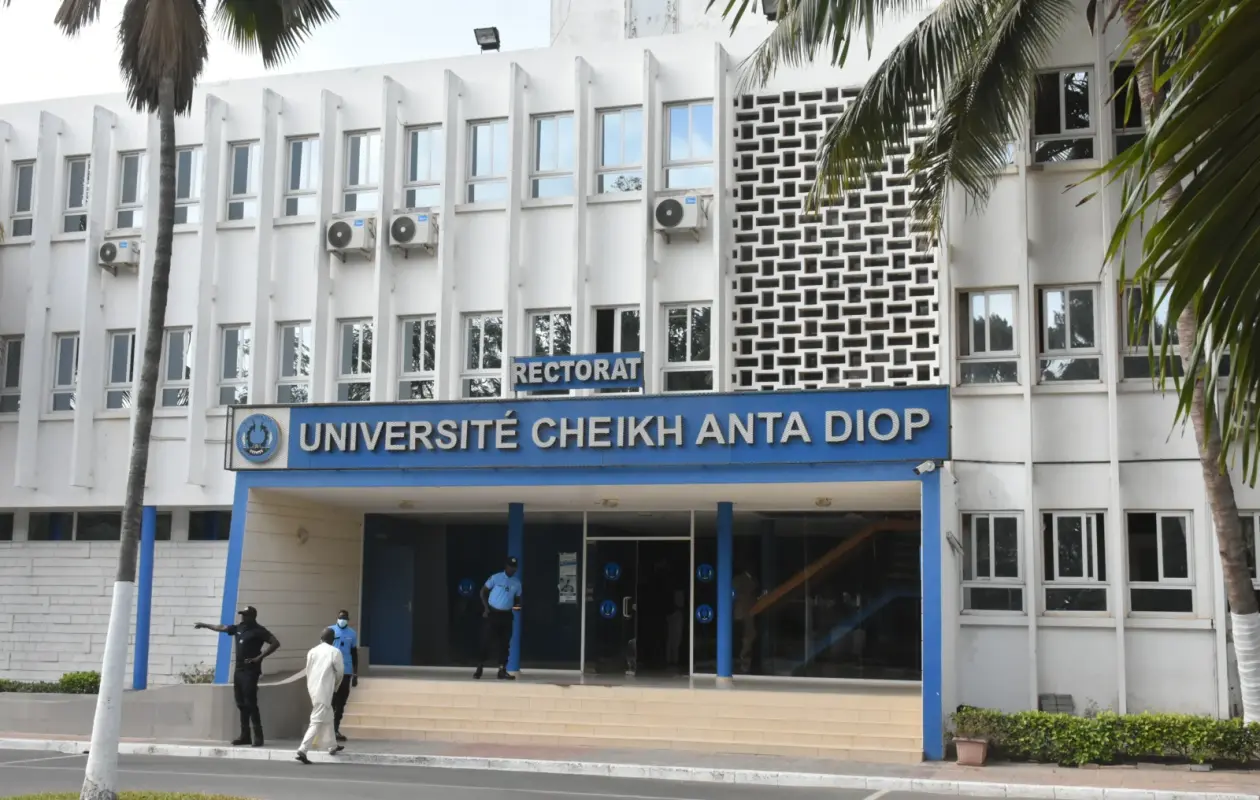
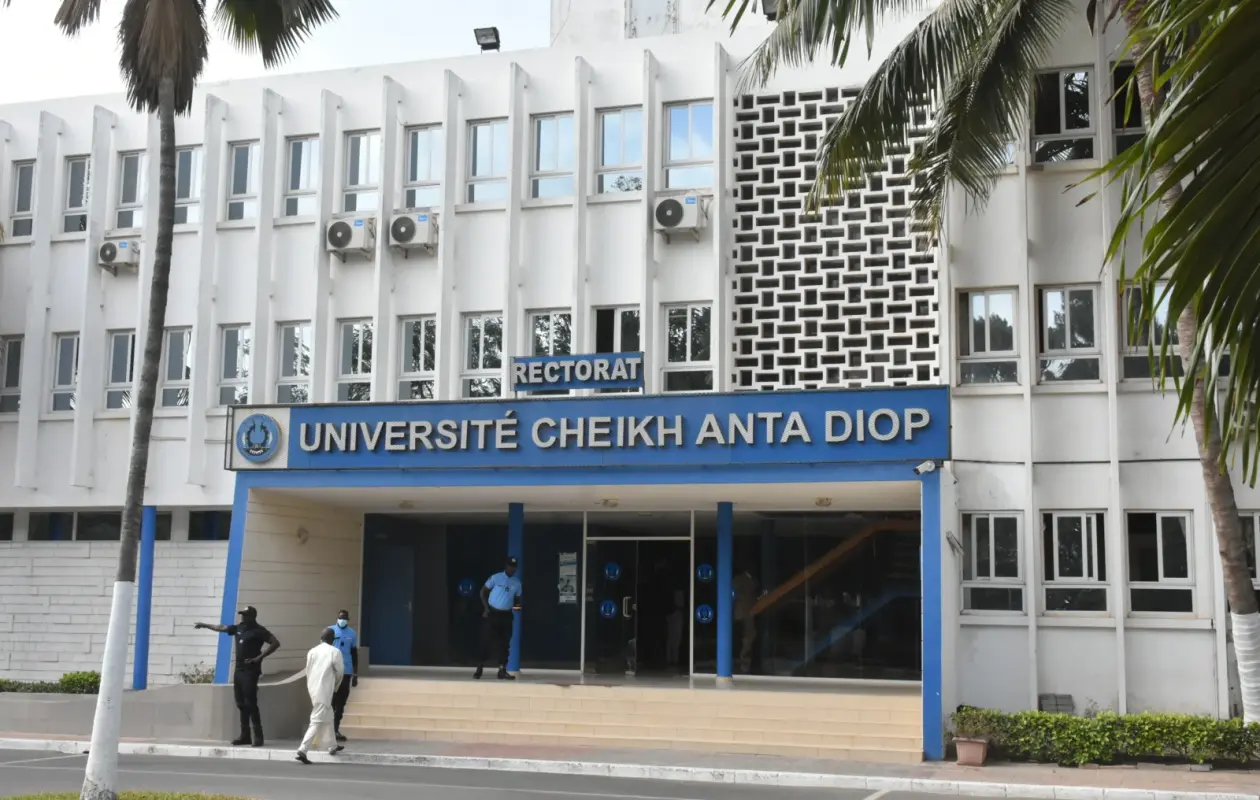
The tax advantages granted to certain educational and training institutions continue to be a focus of the parliamentary inquiry commission. During his hearing, the Director General of Customs, Malick Mbaye, faced pressing questions from members of parliament specifically concerning the Open Digital Spaces (ENO), the Higher Institute of Professional Education (ISEP), and the Thiès Vocational Training Center/CPG.
Parliamentarians sought to determine whether internal investigations and audits had uncovered any anomalies, discrepancies in the volumes of goods declared, or potential misappropriation of goods imported under the duty-free regime. While these questions do not constitute proof of wrongdoing at this stage, they highlight the need for strict alignment between the benefit granted and the actual use of the equipment.
Malick Mbaye undertakes to provide the supporting documents.
Having recently taken office—appointed on October 1, 2026—Malick Mbaye emphasized administrative continuity while assuring parliamentarians of complete transparency. The Director General formally committed to compiling and transmitting to the committee all investigation reports, the results of physical and documentary audits, and the financial statements relating to the implicated entities.
This documentation will allow us to analyze the regularity of import operations and to verify whether the customs services have had to formalize findings of infringement on these specific cases.
Traceability by GRET and GAINDE: The answer through digital data
To support its checks, the customs administration relies on the power of its integrated IT tools, notably the GRET and GAINDE modules. These systems trace the complete path of each declaration, identifying the authorized quotas, the validation dates, the identity of the agents involved, and the clearance status of the procedures.
The analysis of this data will make it possible to determine whether the goods admitted under exemption have been scrupulously allocated to the projects of general interest provided for by law or whether discrepancies require regularization.
Risks of compromised rights and legal action
The administration reminds operators that benefiting from an exemption does not relieve them of their legal obligations. If misuse of the intended purpose is detected, Customs will revoke the exemption and proceed with the collection of evaded duties and taxes, along with financial penalties.
If significant irregularities were found—such as exemptions totaling one billion CFA francs—the compromised duties to be recovered would represent substantial sums for the Public Treasury, subject to any settlements implemented in accordance with Article 330 of the Customs Code. The review of the documents submitted by the Directorate General of Customs will very soon allow the commissioners to assess the regularity of these transactions.



















Commentaires (7)
Participer à la Discussion
Règles de la communauté
💡 Astuce : Utilisez des emojis depuis votre téléphone ou le module emoji ci-dessous. Cliquez sur GIF pour ajouter un GIF animé. Collez un lien X/Twitter, TikTok ou Instagram pour l'afficher automatiquement.
Se connecter
Commentez avec votre profil, votre photo, et soyez averti des réponses.