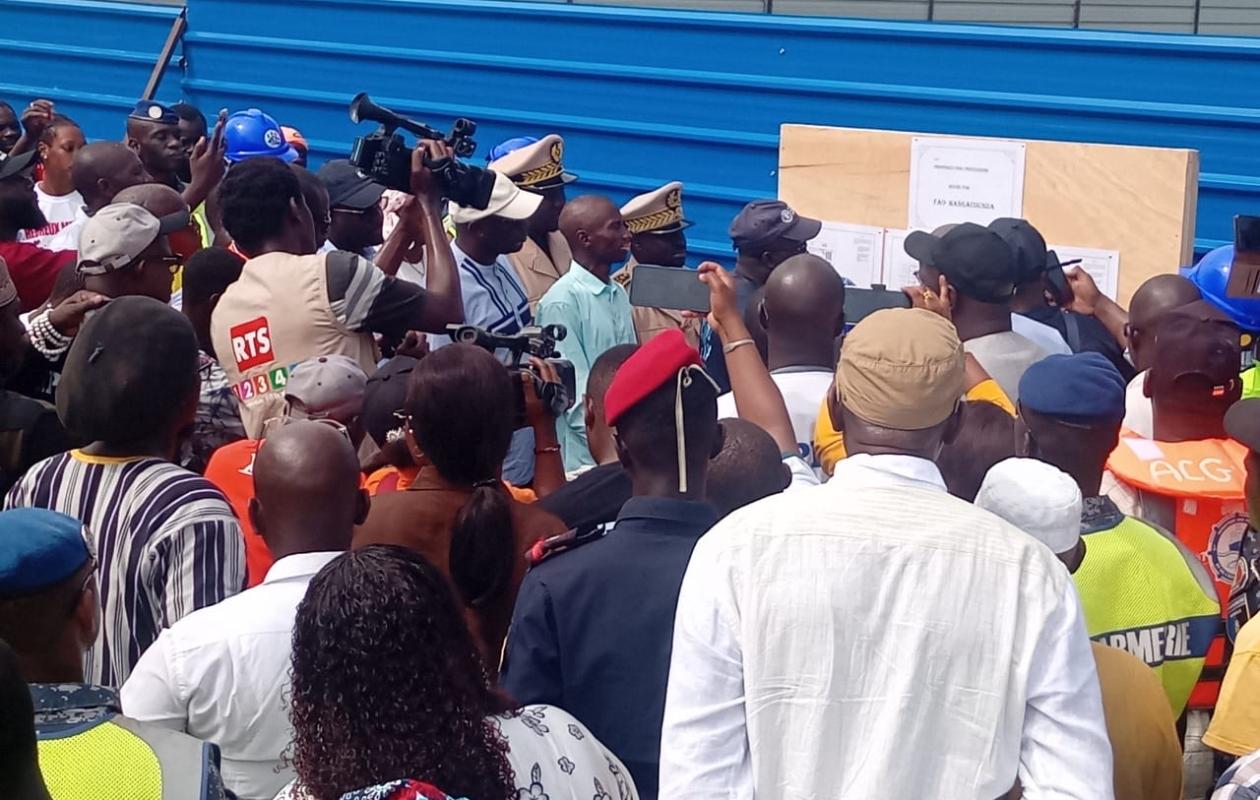
Mangacounda, Fanda, Baghagha : La fin annoncée du calvaire des femmes transformatrices de poisson
Constant exposure to smoke, working on the bare ground, significant post-harvest losses, low incomes, and a lack of suitable infrastructure: in Mangacounda, Fanda, and Baghagha, women fish processors have been facing the hardships of artisanal fishing for years. The upcoming construction of modern processing facilities now appears to be a major response to a situation that is hindering the economic development of coastal communities in Casamance.
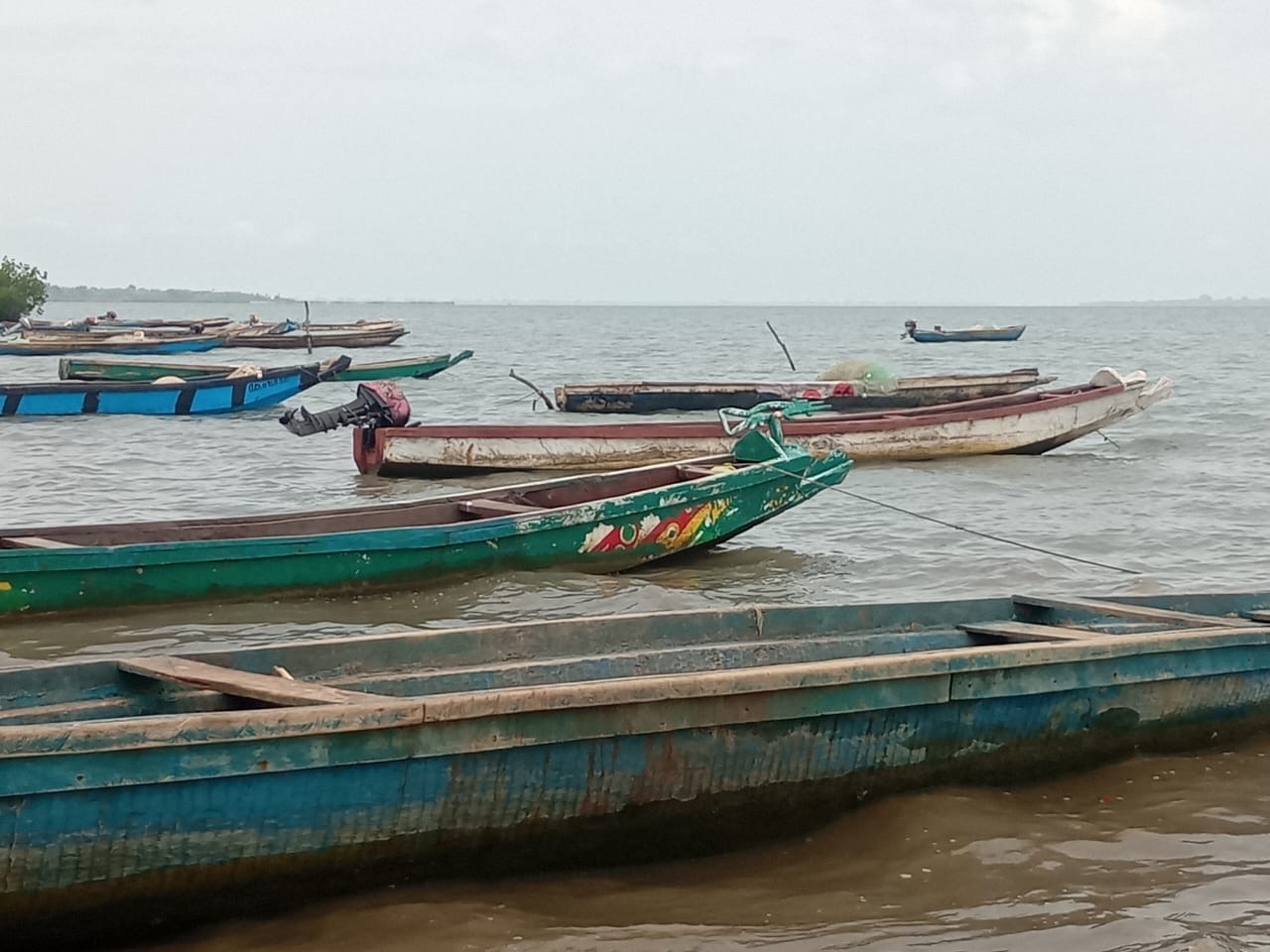
Despite its essential role in the local economy and food security, artisanal fishing continues to face numerous obstacles in several areas of Casamance. Behind the daily landings of fish, shrimp, and other seafood products lies a less visible reality: that of the women processors who bear the brunt of the challenges related to preserving and adding value to the catch.
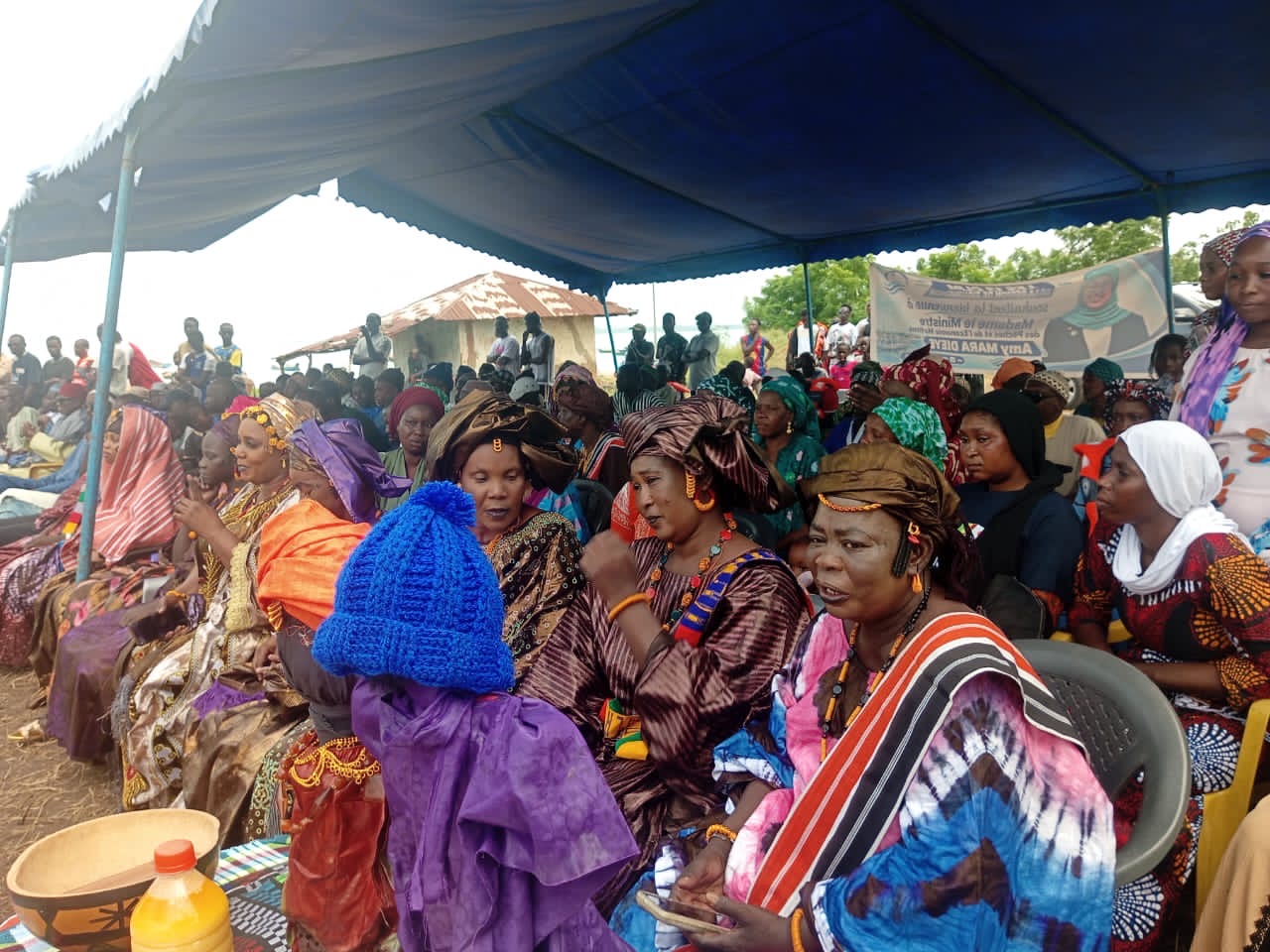
In Mangacounda, in the Kaour district, as in Fanda, in the Niaguis district, and in Baghagha, in the Adéane district, working conditions remain particularly difficult. Lacking modern infrastructure, women are often forced to process fish in precarious conditions, exposed to intense heat, smoke from traditional stoves, and health risks. Added to this are significant post-harvest losses that considerably reduce household income.
For the mayor of Kaour, Sékou Ndiaye, this situation is paradoxical in an area where fishing remains the primary source of livelihood. According to him, fish stocks are abundant, but their development is limited by the lack of modern preservation and processing facilities. A large portion of the catch is thus sold at low prices or lost before even reaching the markets.
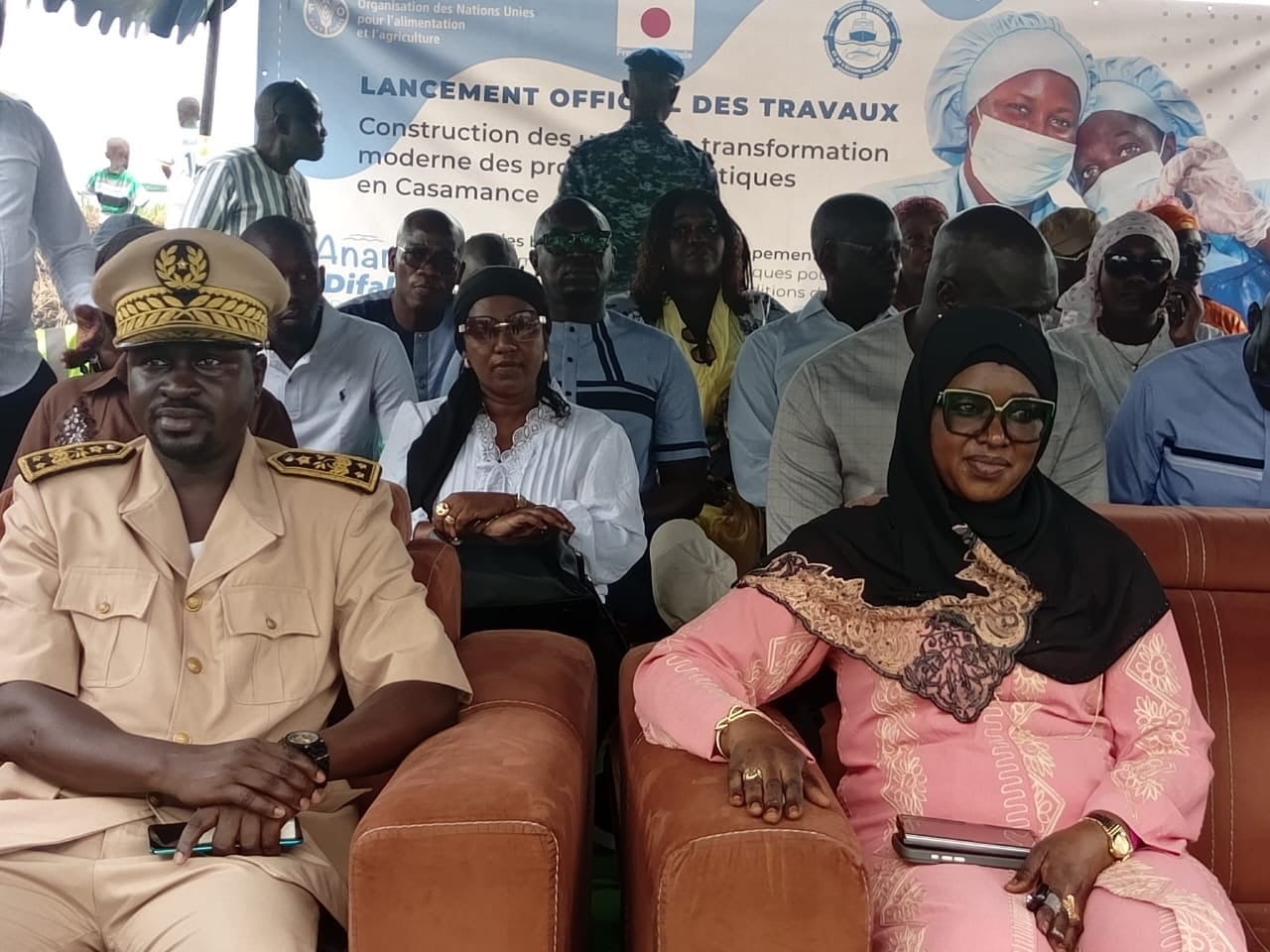
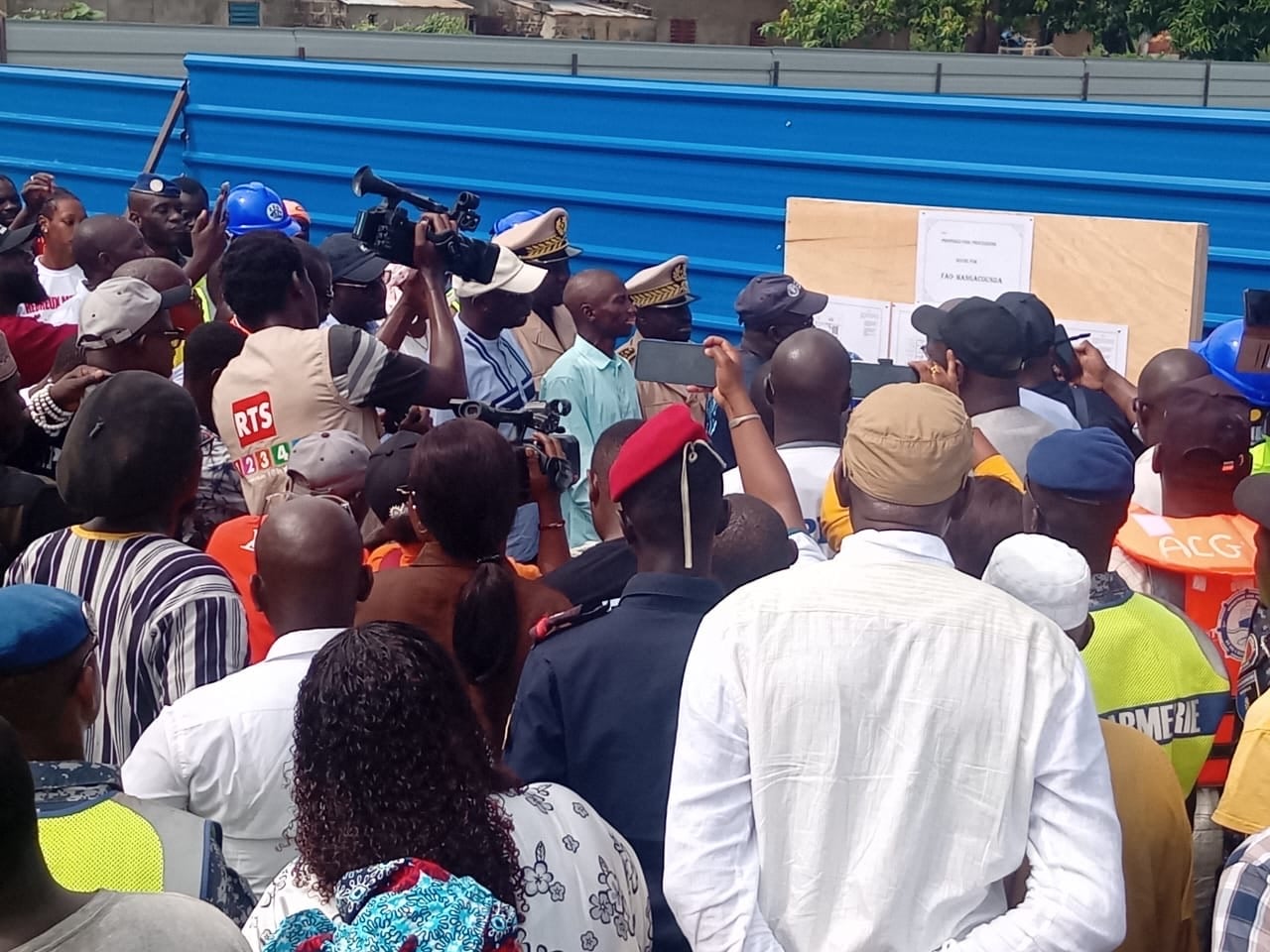
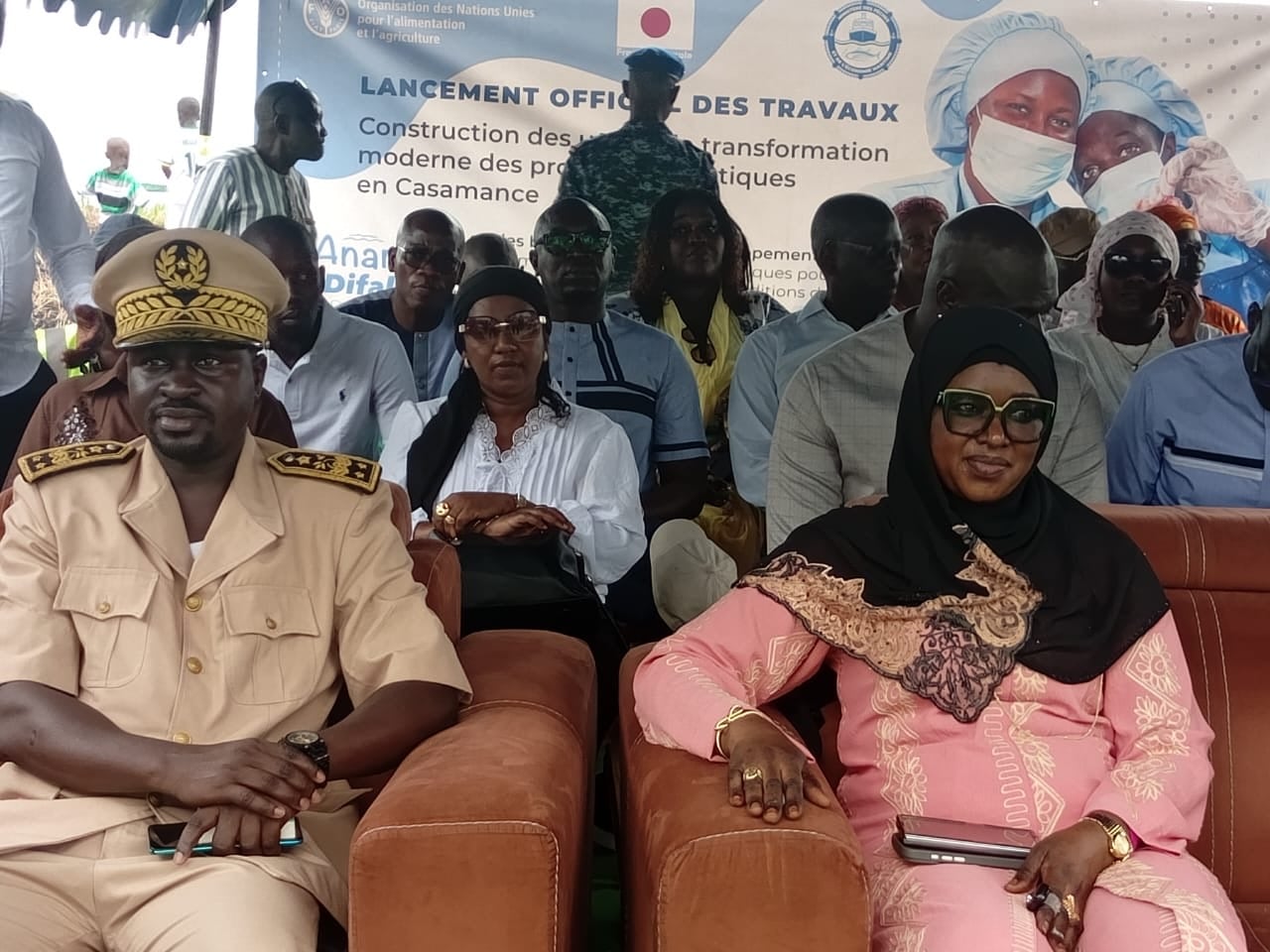
It is to meet these challenges that projects to build modern fish processing units have been launched in several sites in the region through the Anaré Difal (Women of the Sea) project, funded by the Government of Japan and implemented by the FAO in partnership with the Ministry of Fisheries and Maritime Economy of Senegal.
For the FAO, these infrastructures must enable a profound change in the working conditions of women processors. They will offer safer workspaces, modern processing and preservation equipment, as well as improved technologies to reduce losses and improve the quality of products destined for local and national markets.
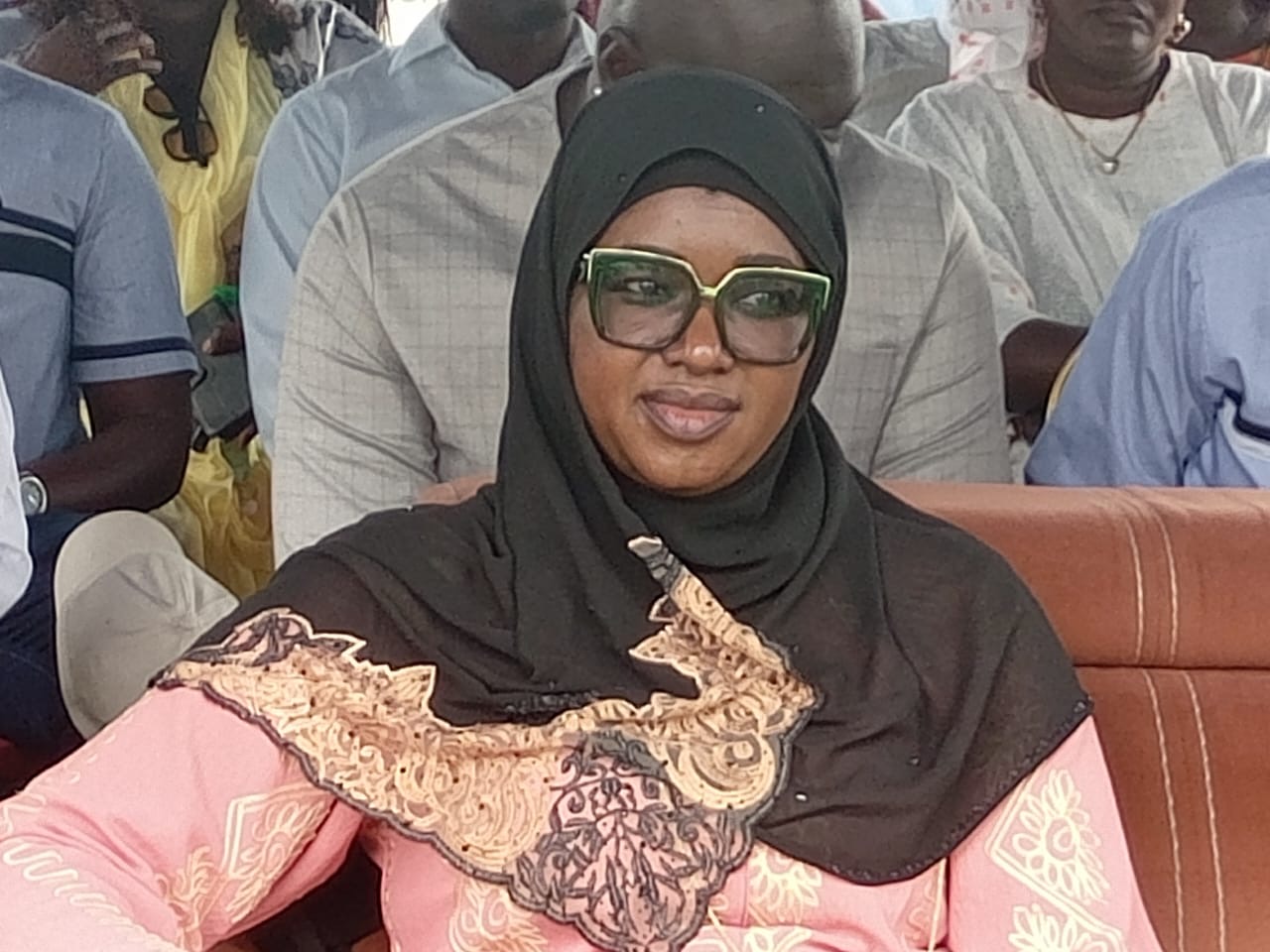
The Minister of Fisheries and Maritime Economy, Amy Mara Dièye, believes that these projects represent much more than mere infrastructure. They are a tool for combating poverty, creating jobs, and empowering women economically. By improving local fish processing, the aim is also to boost family incomes while contributing to the country's food sovereignty.
For local stakeholders, these modern units could mark a real turning point for artisanal fishing in Casamance. After years of hardship, the women of Mangacounda, Fanda, and Baghagha finally see the prospect of less arduous, more profitable, and healthier work, with the hope that the wealth extracted from the sea will benefit the communities that depend on it daily.















Commentaires (0)
Participer à la Discussion
Règles de la communauté
💡 Astuce : Utilisez des emojis depuis votre téléphone ou le module emoji ci-dessous. Cliquez sur GIF pour ajouter un GIF animé. Collez un lien X/Twitter, TikTok ou Instagram pour l'afficher automatiquement.
Se connecter
Commentez avec votre profil, votre photo, et soyez averti des réponses.