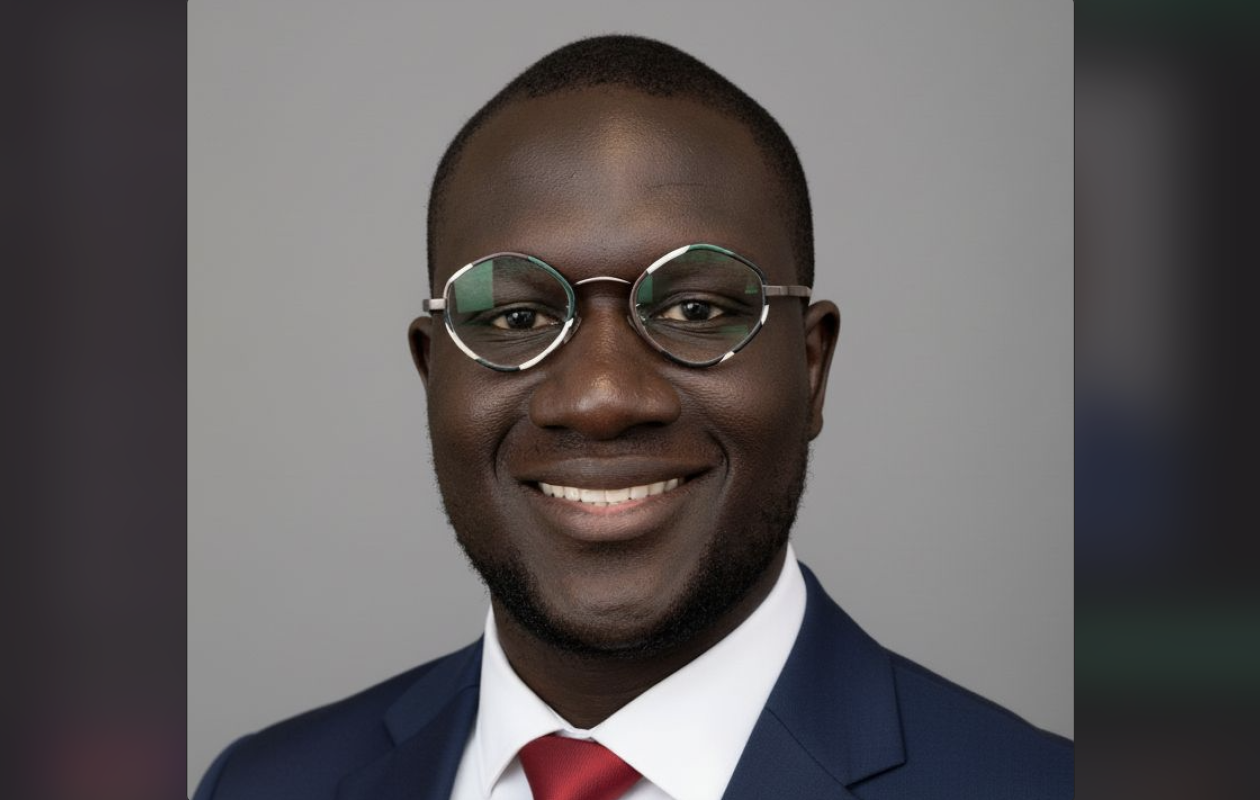
« Préférer le sens de l’État à la stratégie politique » : L’économiste Abdoulaye Ndiaye montre la voie pour sortir de l’impasse budgétaire
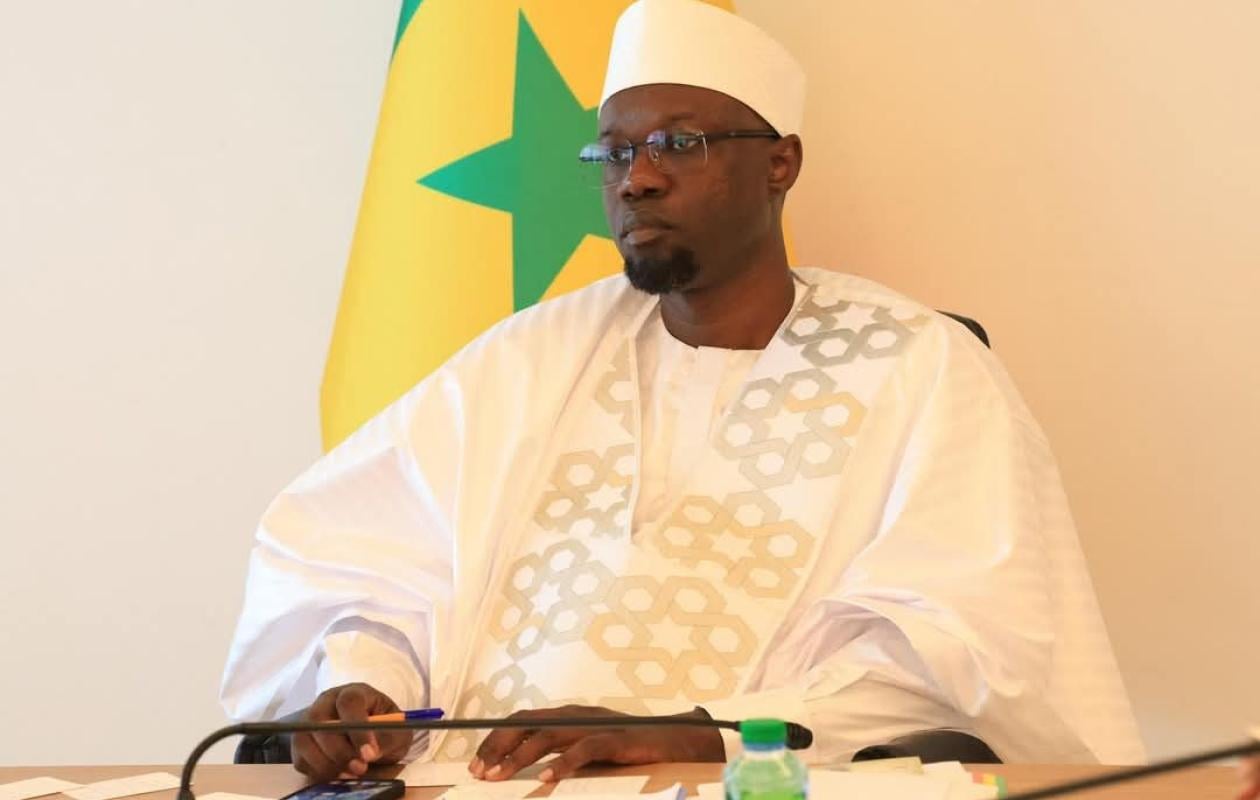
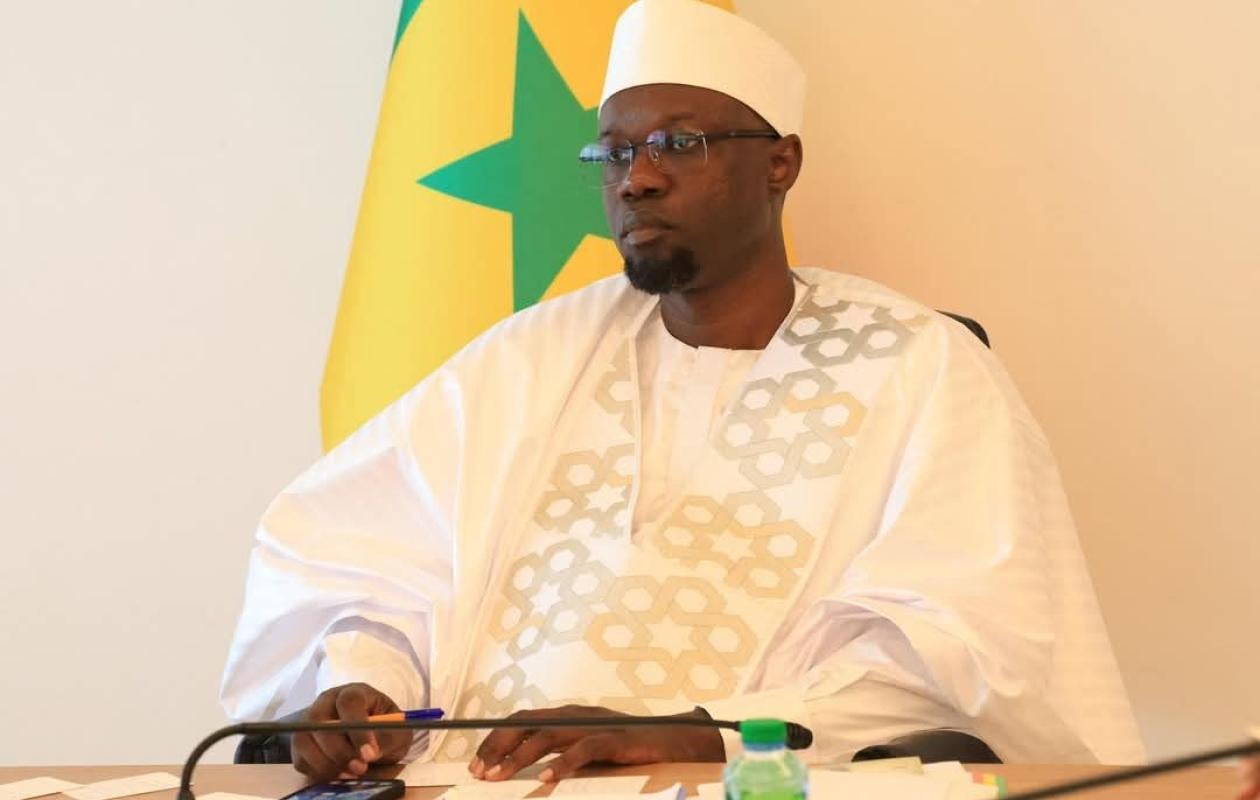
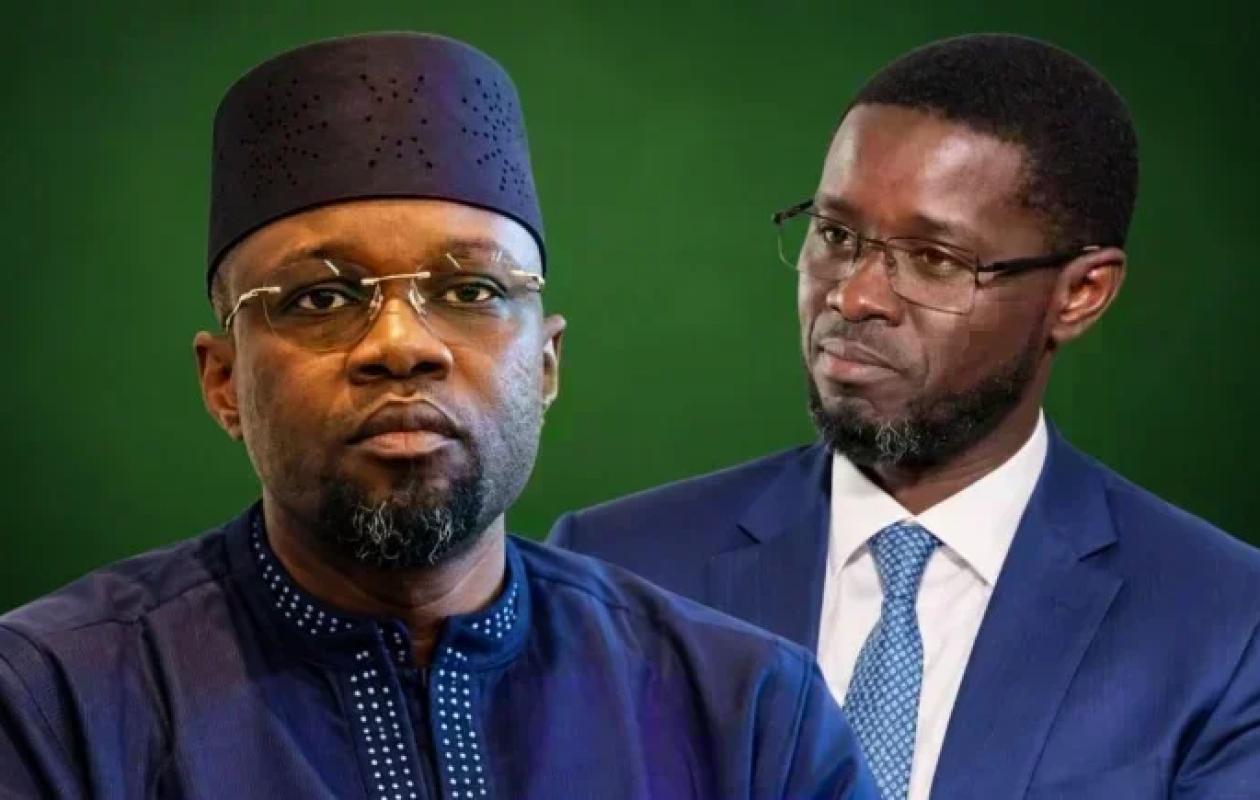
The Senegalese government was formally warned on Monday by Ousmane Sonko. The Pastef leader and president of the National Assembly threatened to block the adoption of the 2026 supplementary budget law and the 2027 initial budget bill. These announcements have not gone unnoticed by economic and financial experts.
In an opinion piece published on Jeune Afrique, economist Abdoulaye Ndiaye argues that, "to get out of the budget impasse, we must prefer the sense of the State to political strategy."
Indeed, he concedes to Ousmane Sonko that "blocking the budget has a clear appeal for Pastef." The first recipient of the Africa NextGen Economist Prize indicates that this strategy "would allow the party to side with the unions and make the president bear the brunt of all the difficulties of the coming year."
But Abdoulaye Ndiaye draws attention to the potential consequences of such a decision. "The Speaker of the Assembly argues that a rejection would not create any legal vacuum, since this year's budget would continue to apply and next year's spending could be carried over. Even if he is legally correct, a budget that is simply carried over is not a program," the economist explains.
He warns that renewing the same budget "will not bring Senegal before the IMF's board of directors, will not unlock the multilateral funding that depends on it, and will destabilize the regional market, which has become the state's main source of financing." According to the economist, paralysis might be a sound political strategy, but "it would not demonstrate a sense of state responsibility."
As for the head of state, Abdoulaye Ndiaye points out that, starting December 2nd, the Constitution would allow him to dissolve the National Assembly. "And early elections in the midst of debt negotiations could also be seen as a shrewd political maneuver," he emphasizes. However, he believes that "this would also demonstrate a lack of sense of duty to the state."
In his opinion piece, the economist also recalls the remarks made by Ousmane Sonko after his dismissal. The current president of the National Assembly had declared that if Senegal were to slide towards a crisis marked by a dissolution of parliament and a motion of censure, "no one will come to invest in Senegal."
Abdoulaye Ndiaye also mentions the warnings issued by religious authorities. In Touba in July, Cheikh Bass Abdou Khadre, spokesperson for the general caliph of the Mourides, emphasized to Ousmane Sonko that "when the National Assembly and the government distrust each other, the damage can be considerable." In Tivaouane as well, "the caliph of the Tijaniyya order spoke of a serious crisis of authority," he says.
For their part, employers welcomed the Prime Minister's offer of dialogue, while teachers' unions, on strike this week, are asking the State to "respect an agreement signed in April," he points out.
The Senegalese economist, who claims to have conducted extensive research on the country's debt, believes that "an agreement is within reach." This agreement would be based on a simple exchange: "The executive branch retains the amount agreed upon with the Fund, and the Assembly shapes what it contains."
The truth
For Abdoulaye Ndiaye, three principles should guide this pact: truth, fairness and protection.
On the first point, he believes the government should submit to the National Assembly the full memorandum agreed upon with the IMF, as well as the debt audits conducted by Mazars and the details of the total return swaps (TRS). He also recommends that budgets cease including revenues that the state will ultimately not collect.
"This year, tax revenue forecasts had to be reduced by 453 billion CFA francs. Control should then be permanent, through an independent budget council reporting to the Assembly, so that the debt can no longer be concealed," he suggests.
Fairness
Regarding debt treatment, Senegal is currently the "test case" for the strengthened version of the G20 common framework. Mr. Ndiaye indicates that said treatment "must go far enough to work the first time."
"Commercial creditors were compensated for the risk of lending to Senegal. This risk materialized, and they must bear their share," he explains.
And in this context of dealing with Senegal's debt, "oil and gas revenues must remain outside of any guarantee or instrument for recovering value, and the debt in CFA francs held by banks and savers in the region must remain outside of the process, as the government intends," he adds.
The economist thus suggests the adoption of a cross-party resolution setting these red lines in order to strengthen the Senegalese negotiators, "as Nigerian legislators once strengthened theirs."
The protection
Abdoulaye Ndiaye also recommends including a "social foundation" in the finance law, with figures that everyone could verify.
"The Speaker of the Assembly wants family security grants to be increased, and he is right. The money can come from a redeployment of fuel subsidies, which mainly benefit households consuming the most fuel, towards aid that directly reaches the poorest," he suggests.
Regarding businesses, 300 billion CFA francs were allocated in the LFR "for domestic arrears, and small businesses should be paid first."
On the energy issue, the economist believes that the surest way to sustainably reduce the subsidy bill is to have cheaper electricity. "This implies that Senegal runs its power plants on locally produced gas rather than imported fuel oil," he emphasizes.
Abdoulaye Ndiaye calls on unions and employers to co-sign this foundation within the framework of the national social stability pact already chaired by the Prime Minister.
The first winner of the Africa NextGen Economist Prize concludes his article by borrowing words from Me Abdoulaye Wade spoken in 1994: "No one has the right to let the ship capsize. Senegalese political leaders will have years to clash. By the end of the year, the country needs them to be on the same side of the table," he says.







Commentaires (6)
Sénégal terre d’experts et d’imposteurs
Gardez vos conseils pour vos maîtres penseurs de Washington.
le PASTEF est dans la ligne de ses engagements avec le peuple senegalais.
Participer à la Discussion
Règles de la communauté
💡 Astuce : Utilisez des emojis depuis votre téléphone ou le module emoji ci-dessous. Cliquez sur GIF pour ajouter un GIF animé. Collez un lien X/Twitter, TikTok ou Instagram pour l'afficher automatiquement.
Se connecter
Commentez avec votre profil, votre photo, et soyez averti des réponses.